 Now, Yeogi
Nami Island Guide: Tickets, Ferry, Zipwire and When to Go (2026)
Everything you need for Nami Island: the Naminara Republic visa price, the ferry timetable from Gapyeong Wharf, the zipwire rules, when the metasequoia and ginkgo lanes peak, and how to stay overnight.
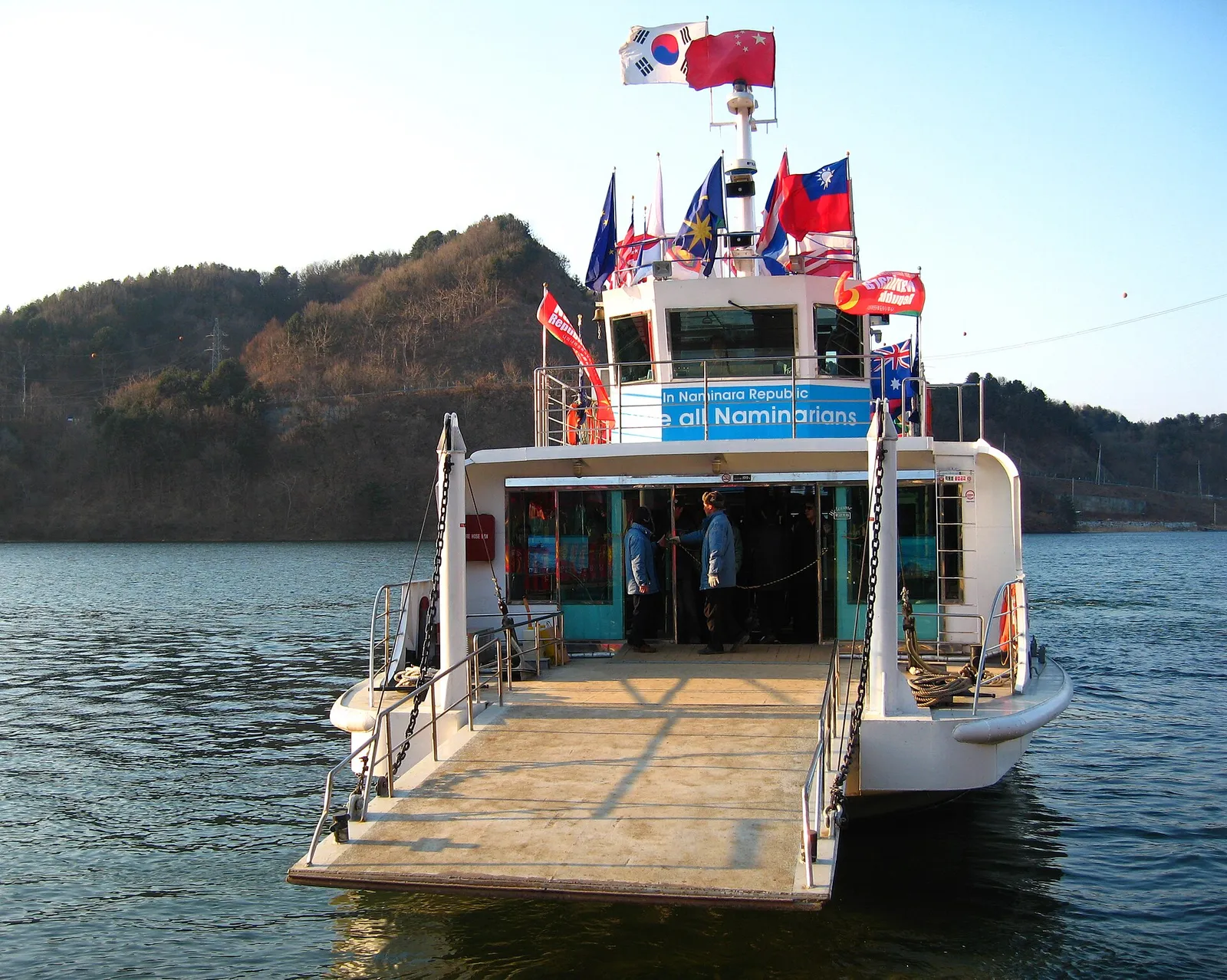
Places in this post
- Address
- Ferry from Gapyeong Wharf, 1024 Bukhangangbyeon-ro, Gapyeong-eup, Gapyeong-gun
- Hours
- 08:00–21:00, open 365 days a year. From 18 September to 22 November the first ferry runs at 07:30.
- Menu
- Adult visa, round-trip ferry included ₩19,000 · Middle and high school students, seniors 70+ ₩16,000 · Children 36 months to elementary ₩13,000 · Early or late entry rate ₩13,000
- Tip
- Board before 08:00, or buy after 18:31, and any adult pays the ₩13,000 rate. The ticket is sold as a Naminara Republic visa and the ferry is included.
- Address
- Gapyeong Wharf area, Gapyeong-eup
- Hours
- 09:00–18:00
- Menu
- Family Course, lands on Nami Island ₩55,000 · Adventure Course, lands on Jaraseom ₩58,000
- Tip
- It only works one way, as an entry method. Riders must be 140–200 cm tall and 45–120 kg. The return ferry is included in the fee.
Nami Island is a half-moon of land in the Bukhangang river, about an hour from Seoul, covered in tree-lined avenues that a 2002 television drama made famous across Asia. It is the single most visited day-trip destination outside the capital, and it runs on its own peculiar logic: you do not buy a ticket, you buy a visa.
Prices and times are as of September 2026 and come from the island’s official site.
The visa, explained
In 2006 the island declared itself the Naminara Republic, a self-styled micro-nation with its own flag, anthem, currency, stamps and invented script. It is a branding exercise rather than a political claim, but it is carried through completely, and your entry ticket is issued as a visa.
| Ticket | Price |
|---|---|
| Regular adult | ₩19,000 |
| Middle and high school students, seniors 70 and over | ₩16,000 |
| Children, 36 months to elementary age | ₩13,000 |
| Early or late entry, any age | ₩13,000 |
The round-trip ferry is included in every one of these. That is the detail most first-timers miss, and it means the headline price is the whole price.
The early and late rate is worth planning around. Board before 08:00, or buy your ticket after 18:01 from December to March and after 18:31 from April to November, and an adult pays ₩13,000 instead of ₩19,000. Early morning is also when the avenues are empty.
Children under 36 months go free. Groups of twenty or more get ten percent off. There is no separate foreigner rate: resellers advertising cheaper tickets are discounting their own margin, not quoting an official price.
Getting across
The ferry leaves from Gapyeong Wharf and the crossing takes about five minutes.
- 08:00 to 09:00, every 30 minutes
- 09:00 to 18:00, every 10 to 20 minutes
- 18:00 to 21:00, every 30 minutes
The last boat to the island is at 21:00 and the last boat back is at 21:05. From 18 September to 22 November the first ferry moves earlier, to 07:30, and on Friday, Saturday, Sunday and holidays the last one runs until 21:30.
The island is open 365 days a year. Ferries run in the rain, and when the river freezes an icebreaker ferry takes over.
A motorboat runs from April to November between 09:00 and 18:00, taking two to five passengers, at ₩10,000 to the Nami wharf with admission charged separately.
The zipwire
The alternative arrival is to fly in. The Nami Island Zipwire launches from an 80 m tower at up to 80 km/h.
- Family Course, ₩55,000 — lands directly on the island.
- Adventure Course, ₩58,000 — lands on Jaraseom, then a motorboat carries you across.
It operates 09:00 to 18:00. Riders must be between 140 and 200 cm tall and 45 and 120 kg, and the limits tighten in bad weather.
Two things to understand. It works one way only, as a way in rather than a ride you take and repeat. And the return ferry is included in the fee, so you are paying the difference between it and a normal ticket for the flight itself.
What is actually on the island
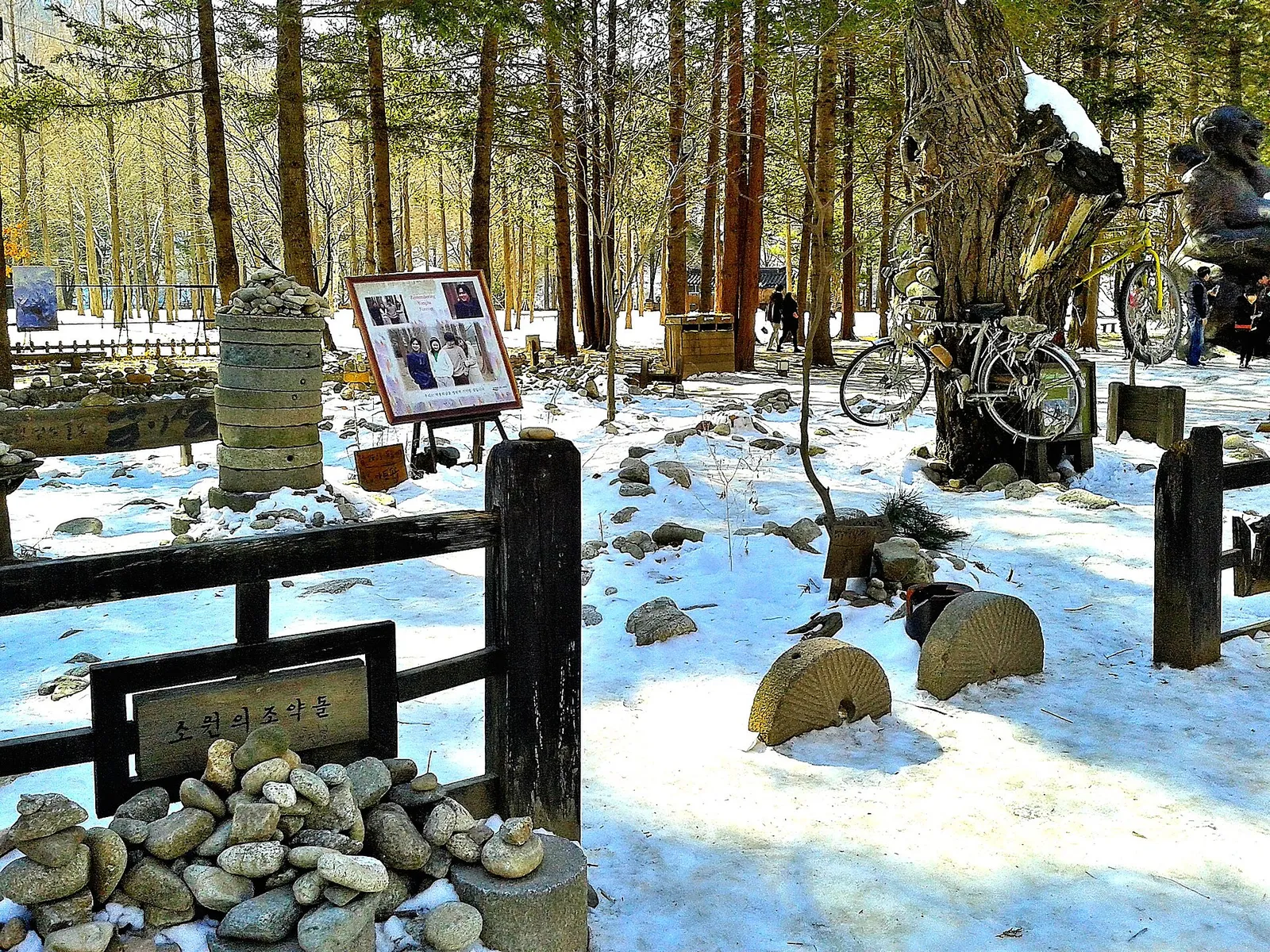
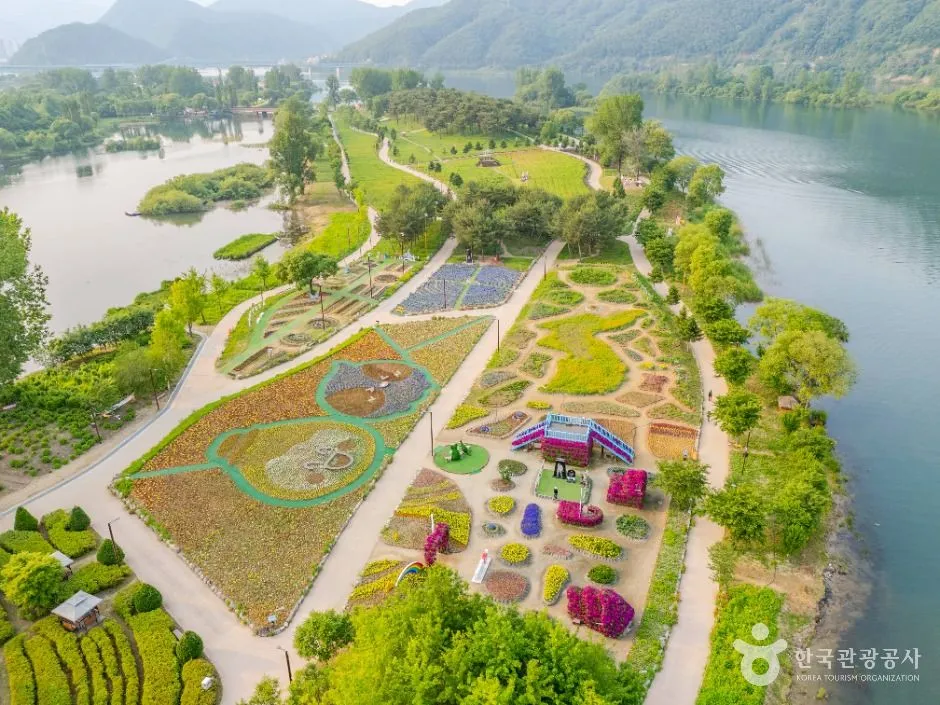
The island covers about 462,000 square metres and was designated Korea’s largest private garden in July 2024, with 27 gardens and more than 30,000 trees.
The tree avenues are the reason people come. Metasequoia Lane was planted from saplings transplanted in 1977 and became the island’s emblem after Winter Sonata filmed there. Ginkgo Tree Lane is a shorter stretch of about 100 m running south from the central plaza. Korean Pine Tree Lane runs from the wharf to the middle of the island.
Winter Sonata is the drama in question, broadcast by KBS in 2001, and it is responsible for the island’s popularity across Japan and Southeast Asia. The weeping-cherry grove around the “First Kiss Bench” is marked as an official landmark, and there are memorial displays scattered through the trees.
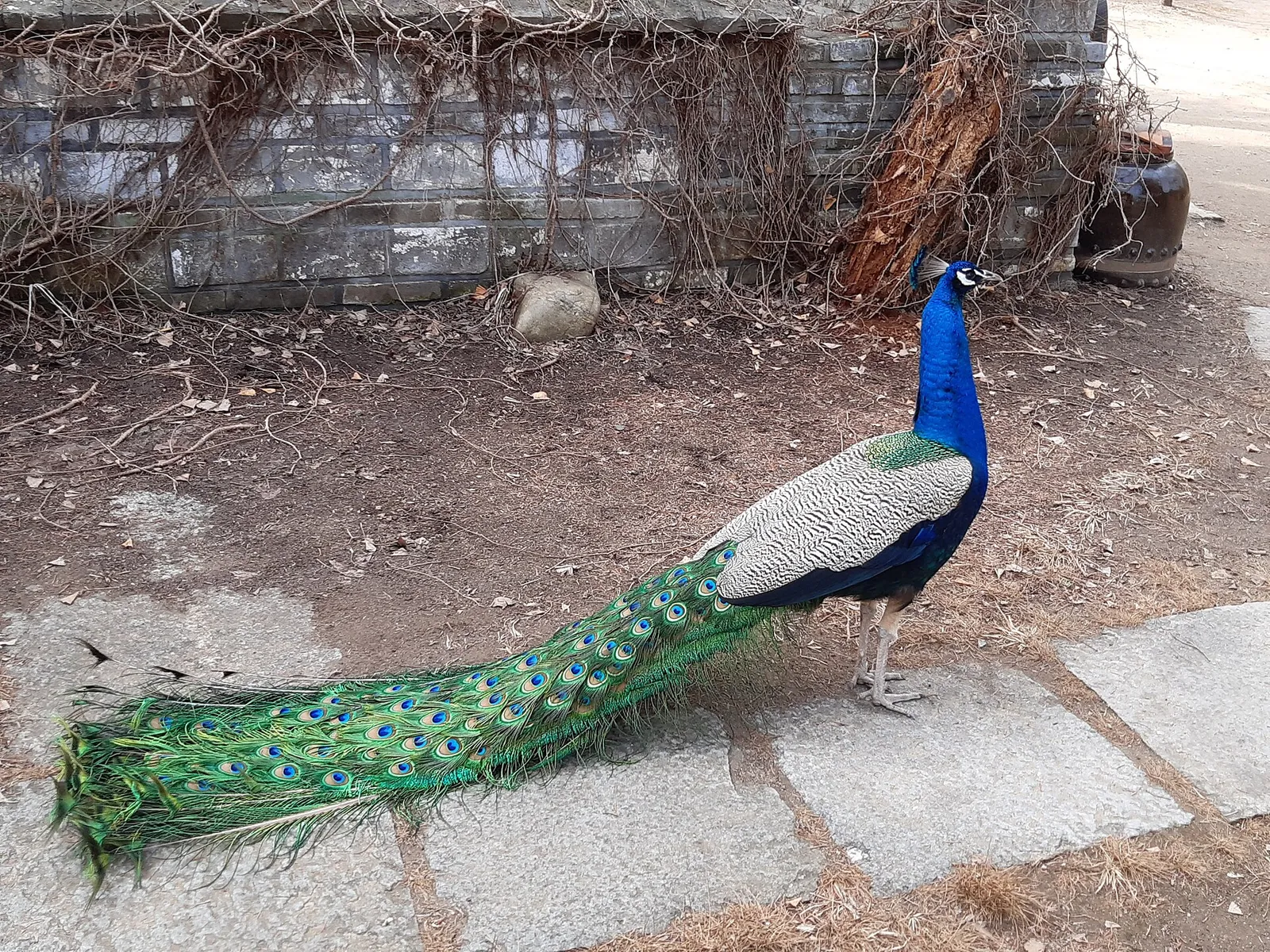
Ostriches wander the grounds and are listed, with a straight face, as a Naminara national brand. Peacocks and waterfowl are common along the paths.
Museums and galleries are denser than you would expect: the Song Museum, Liuseum of world musical instruments, the Andersen Picture Book Center, a children’s library, several galleries and a UNICEF hall. The island stages more than six hundred performances and exhibitions a year, and it has been a UNICEF Child-Friendly Park since 2010.
Getting around once you are there
A bicycle takes about an hour to ride the circumference. Single bikes are ₩5,000 for 30 minutes or ₩9,000 for an hour, tandems ₩10,000 and ₩18,000, and family bikes ₩18,000 for 30 minutes.
The Story Tour Bus does a 20-minute overview loop for ₩10,000, leaving from near the Nami wharf. If you have read about a vehicle called the “Unicycle”, this is the same thing under its current name. The Charity Train that older guides mention is listed as out of service.
Restaurants on the island cover Korean, Asian and Western food, with several cafés. You are not obliged to bring a packed lunch.
Staying overnight
Hotel Jeonggwanru operates on the island, and the argument for it is simple: everyone else leaves at nine. The island’s own description talks about the moonlit nights, the stars and the dawn mist coming off the river, none of which a day visitor sees.
Rooms in the main building run ₩148,000 to ₩168,000, a suite ₩238,000, and cottages from ₩180,000. Check-in is 15:00 and check-out 11:00. Reservations open three months ahead.
When to go
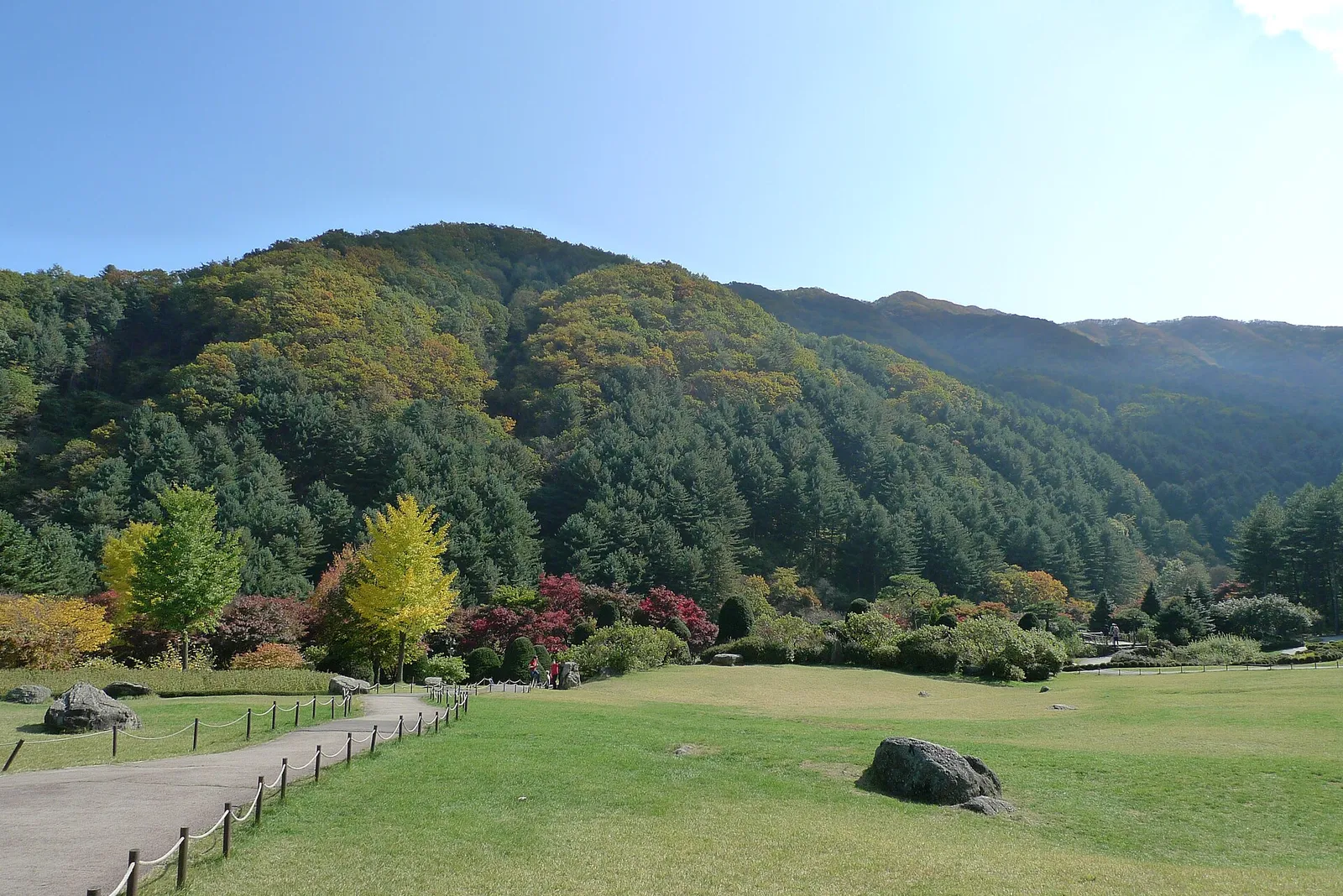
Autumn is the peak, and it is worth timing precisely. Foliage runs from mid-October into early December. Maples turn from mid-October, and the ginkgo turns in late October, which is brief and the most striking week of the year. By mid-November Ginkgo Tree Lane is carpeted.
Spring brings cherry blossom from mid-April into early May, later than central Seoul because the island runs cooler.
Summer is about shade and river breeze. Winter gives you the bare metasequoia avenue under snow, which is the Winter Sonata image people actually have in their heads.
Recurring events include an acoustic festival in June, a kimchi-making day on the third weekend of November, a winter programme from January to February, and the Nami Island International Children’s Book Festival every May.
Accessibility
Better than most Korean attractions. The island is designated an “Easy Place” by the Human Rights Forum of Persons with Disabilities in Korea. Wheelchair rental is free at the Tourism Bureau, there are eleven accessible toilets, accessible parking sits in Lots 2 and 4, and strollers rent for ₩3,000. Paths are flat, though some surfaces are gravel.
Practical notes
- Gapyeong Station is 1.5 km from the wharf, about 20 minutes on foot, a five-minute taxi, or local bus 10-4.
- Arrive before 09:00 or after 16:00 if the photographs matter to you.
- Two to four hours covers the island at a walking pace. Add an hour if you cycle.
- Bring the ticket price in mind, not the reseller price. Official is ₩19,000 and includes the boat.
- Rain is not a reason to cancel. Ferries run, and the tree avenues hold up well in wet weather.
Wrapping up
Go early, take the ₩13,000 rate, walk the metasequoia avenue before the tour groups land, then cycle the perimeter. If you can only pick one week of the year, make it the last week of October.
More in this series: the Gapyeong overview, what else to see and what to eat.