 Now, Yeogi
Things to Do in Jeonju: Gyeonggijeon, the Cathedral and the Night Market (2026)
What to see in Jeonju with 2026 hours and prices: Gyeonggijeon Shrine, Jeondong Cathedral, the view from Omokdae, the Confucian school and its November ginkgos, hanji paper workshops and the Friday night market.
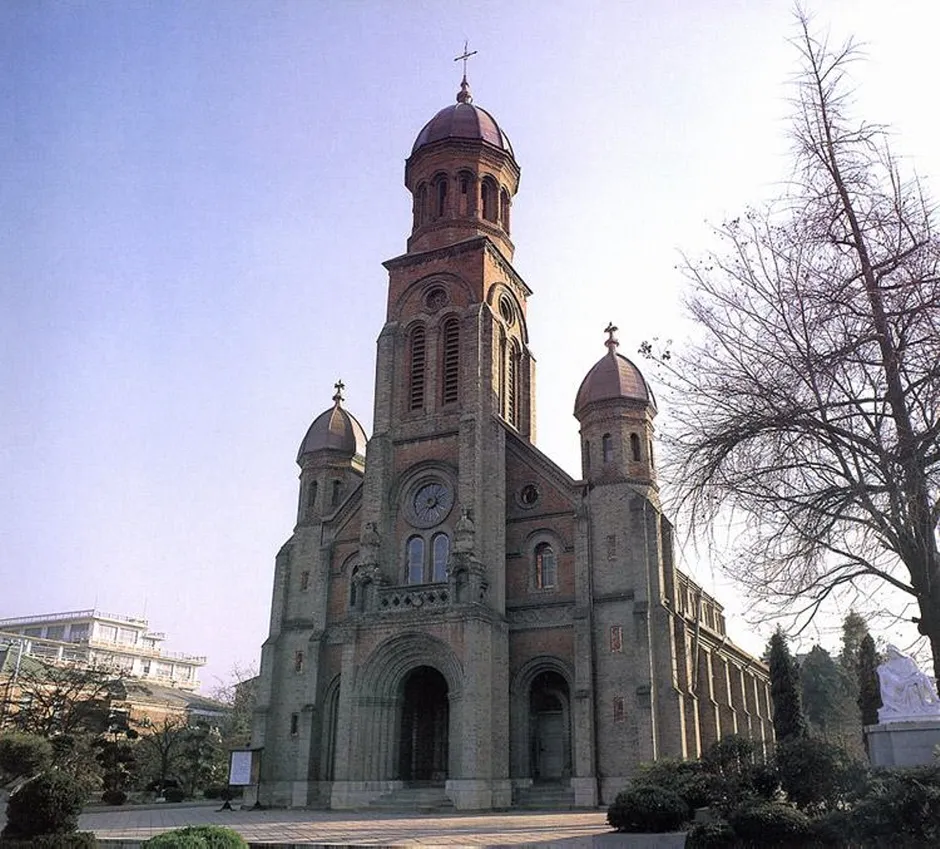
Places in this post
- Address
- 44 Taejo-ro, Wansan-gu, Jeonju
- Hours
- March–May and September–October 09:00–19:00, June–August 09:00–20:00, November–February 09:00–18:00
- Menu
- Adult ₩3,000 · Youth and military ₩2,000 · Child ₩1,000
- Tip
- Free on the last Wednesday of each month, and for visitors 65 and over or under 6. Half price in hanbok on the fourth Saturday of the month.
- Address
- 51 Taejo-ro, Wansan-gu, Jeonju
- Hours
- 09:00–17:00, outside Mass times
- Menu
- Admission Free
- Tip
- It stands directly opposite Gyeonggijeon, so the two are one stop. The interior closes to visitors during services.
- Address
- 139 Hyanggyo-gil, Wansan-gu, Jeonju
- Hours
- March–October 09:00–18:00, November–February 10:00–17:00. Closed Mondays.
- Menu
- Admission Free
- Tip
- The ginkgo trees in the courtyard peak in November and are the most photographed thing in Jeonju that month. Official listings disagree slightly on hours, so allow margin.
- Address
- 19-3 Pungnammun 1-gil, Wansan-gu, Jeonju
- Hours
- Every Friday and Saturday, 17:00–23:00, year-round
- Menu
- Entry Free
- Tip
- This is the best evening in Jeonju. The daytime market and the pre-dawn Dokkaebi market run separately from the night market.
- Address
- 59 Palbong-ro, Deokjin-gu, Jeonju
- Hours
- Tuesday to Saturday 09:00–17:00, last entry 16:30. Closed Sundays, Mondays, 1 January and public holidays.
- Menu
- Admission Free
- Tip
- It is outside the Hanok Village in Deokjin-gu, so treat it as a separate trip rather than a walk-in.
Almost everything worth seeing in Jeonju is inside the Hanok Village or a short walk from it, and almost all of it is free. The exception is the one site that gives the city its historical reason for existing.
Hours and prices are as of September 2026 and come from official listings.
Gyeonggijeon
Gyeonggijeon (경기전) is why Jeonju matters historically. The Jeonju Yi clan founded the Joseon dynasty, and this walled compound holds the official portrait of King Taejo, its first king. It is the only surviving shrine of its kind outside Seoul.
₩3,000 for adults, ₩2,000 for youth and military, ₩1,000 for children. Jeonju residents pay a third of that.
Hours change with the season: 09:00 to 19:00 in spring and autumn, to 20:00 in June, July and August, and to 18:00 from November to February.
Two ways in for free. It is free on the last Wednesday of each month, and free for visitors 65 and over or under 6. On the fourth Saturday of the month, anyone in hanbok pays half price.
Allow an hour. The grounds include a bamboo grove and the annex housing the dynastic annals.
Jeondong Catholic Cathedral
Jeondong Catholic Cathedral (전동성당) stands directly across the road from Gyeonggijeon, which makes the pair one of the more striking juxtapositions in Korea: a Joseon royal shrine facing a Romanesque red brick church.
It was built in the early twentieth century on the site where Korean Catholics were martyred in the 1790s. Free, open 09:00 to 17:00 outside Mass times.
The two sites together take about ninety minutes and they are the core of any Jeonju visit.
Omokdae
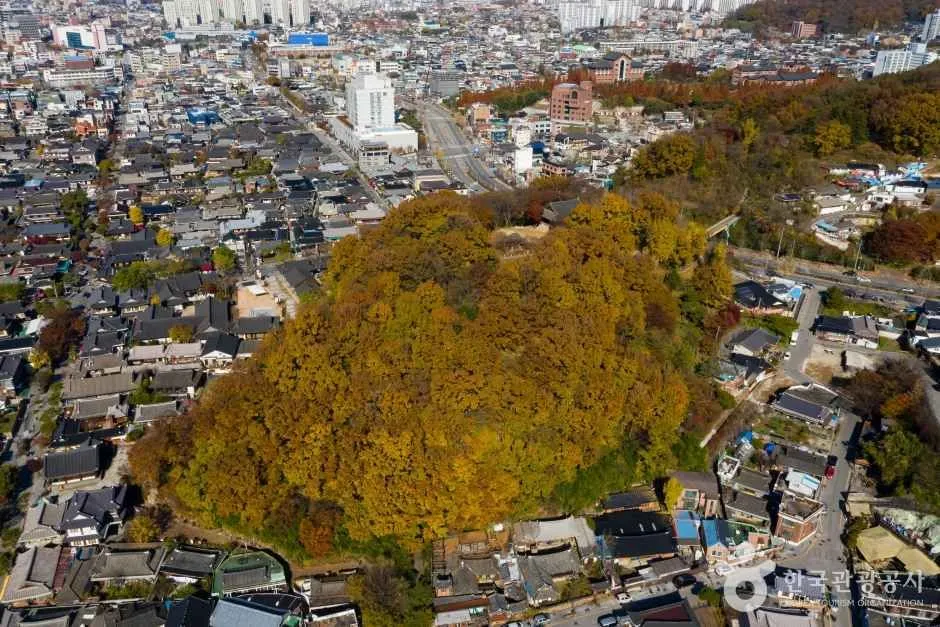
Omokdae (오목대) is a pavilion on the wooded ridge at the eastern edge of the village, and Imokdae (이목대) sits just beyond it. Free, with no set hours.
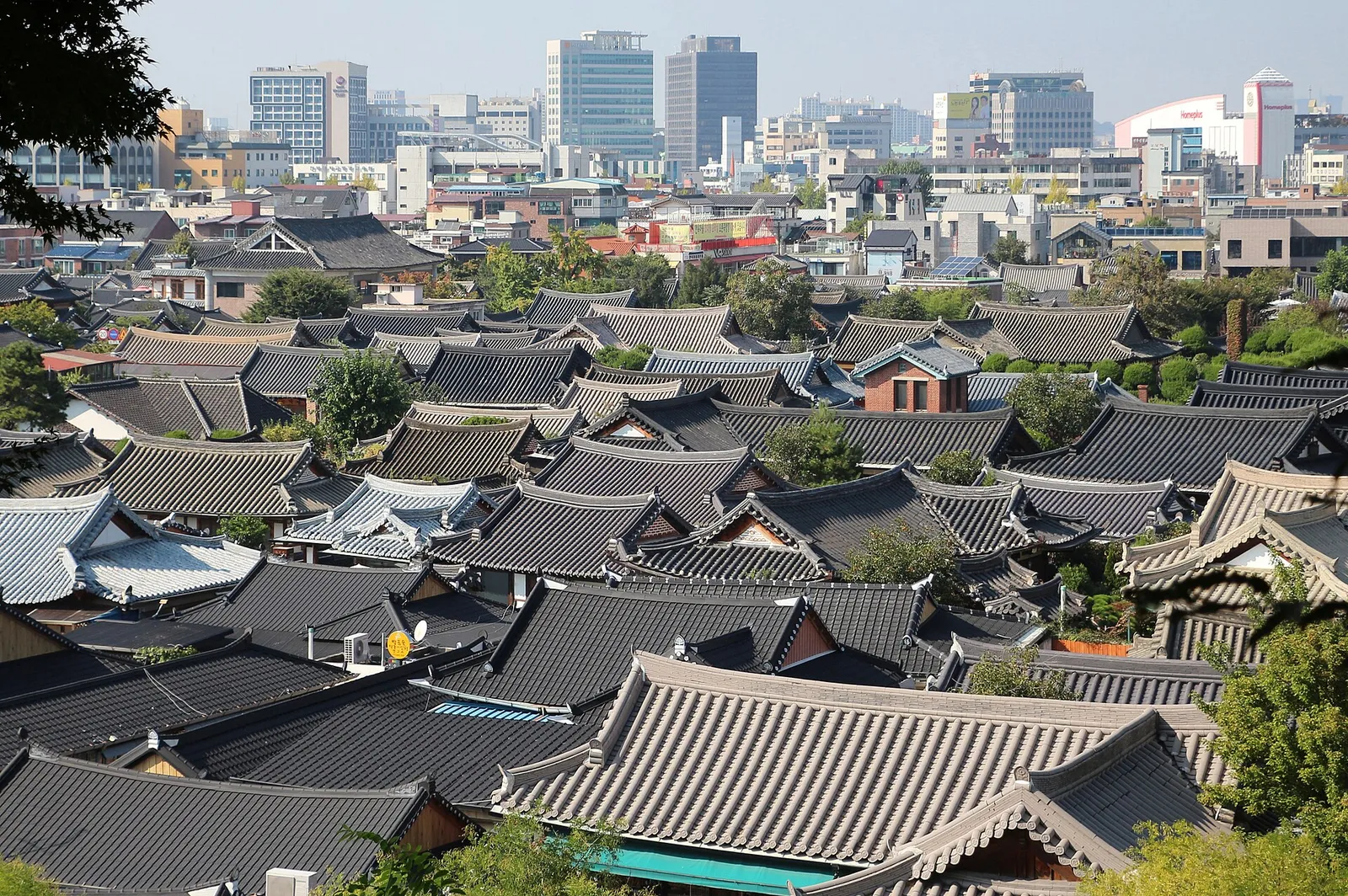
The reason to climb is the view. From the ridge you see the full sweep of tiled roofs with the modern city rising behind, which is the image that sells Jeonju. Go at golden hour.
The climb is a set of stairs from the village and takes about ten minutes.
Jeonju Hyanggyo
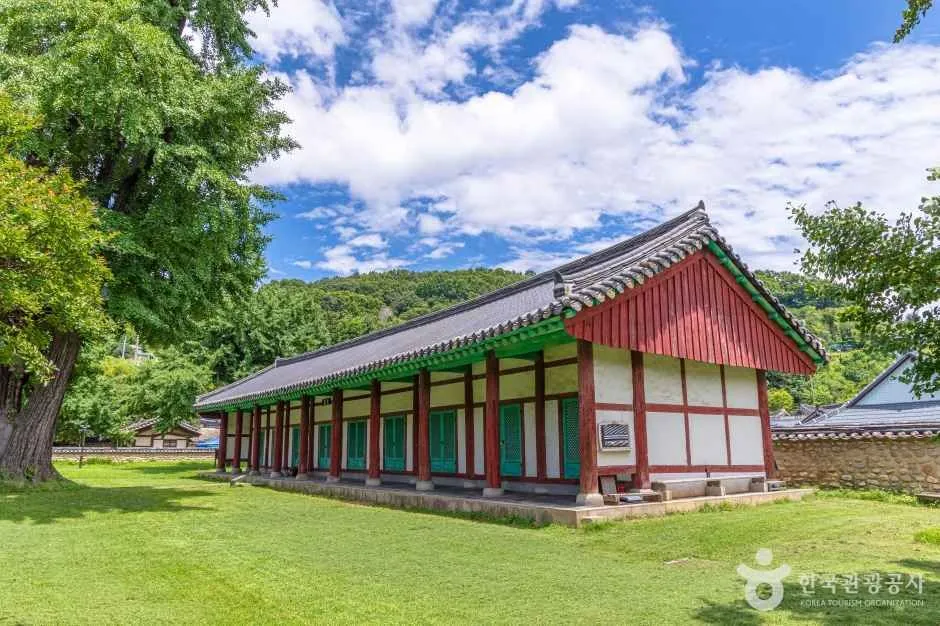
Jeonju Hyanggyo (전주향교) is the old Confucian school, a quiet compound of halls and courtyards at the southern end of the village. Free, open 09:00 to 18:00 from March to October and 10:00 to 17:00 in winter, closed Mondays.
Official listings disagree slightly on the hours, so leave yourself margin rather than arriving at the last minute.
The specific reason to come is the ginkgo trees, which peak in November and turn the courtyard completely yellow. It is the most photographed spot in the city that month, and the compound is small, so go early.
Pungnammun and the murals
Pungnammun (풍남문) is the surviving south gate of the old city wall, free and visible at any hour, standing on a traffic island between the village and the market.
Jaman Mural Village (자만벽화마을) climbs the hillside near Omokdae, its houses painted with murals. There is no gate, no ticket and no hours, because it is a residential alley. People live there, so keep the noise down.
Nambu Market
Nambu Market (전주남부시장) sits just past Pungnammun, and it is three markets in one.
The night market runs every Friday and Saturday from 17:00 to 23:00, all year. Stalls fill the central aisle with street food and it is comfortably the best evening plan in Jeonju. If your dates include a Friday or Saturday, build the trip around it.
A pre-dawn Dokkaebi market trades in the early morning, and the regular market runs through the day. The Cheongnyeonmol, a youth-run floor of small shops and cafés, is in the same building.
Hanji
Jeonju is the traditional centre of hanji, Korean mulberry paper, and you can either look at it or make it.
The Jeonju Hanji Museum in Deokjin-gu is free, open Tuesday to Saturday 09:00 to 17:00 with last entry at 16:30, closed Sundays, Mondays, 1 January and public holidays. It is outside the village, so plan it as its own trip.
Inside the village, several workshops run paper-making sessions. Prices start around ₩7,000 at the traditional hanji centre and the Hanbyeok cultural centre, and from ₩5,000 at a craft studio on Eunhaeng-ro. The Hanbyeok centre closes Mondays.
Deokjin Park
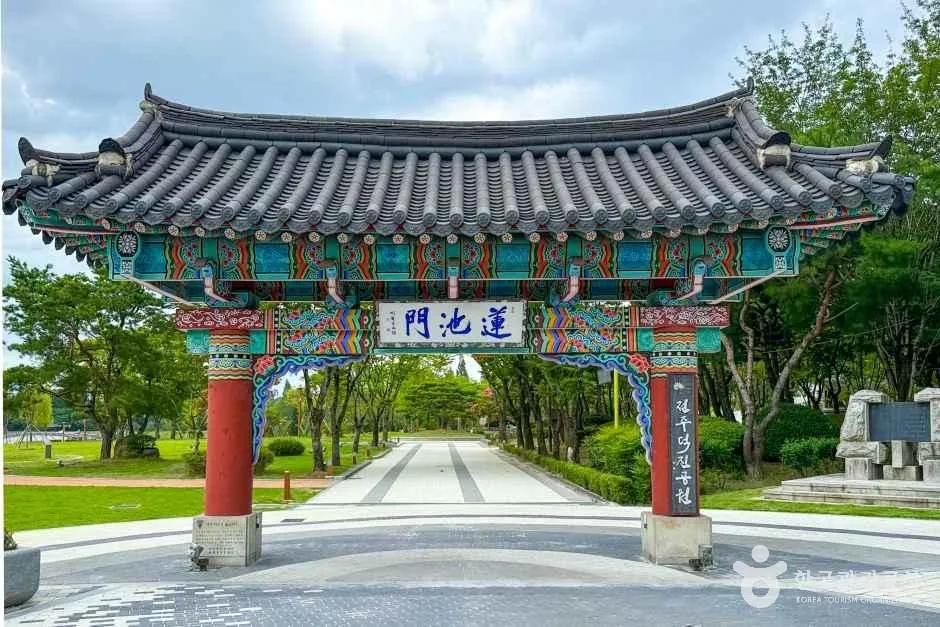
Deokjin Park (덕진공원) in the north of the city is free and open 24 hours. Its draw is a large lotus pond crossed by a wooden bridge, at its best in July and August when the lotus flowers open. Out of season it is a pleasant walk rather than a destination.
What it costs
A full two days of sightseeing in Jeonju costs about ₩3,000 a person in admission, because Gyeonggijeon is the only site that charges. Add a workshop if you want to make paper, and the night market if your dates allow.
Practical notes
- Gyeonggijeon closes earliest in winter, at 18:00. Do it before the light goes.
- The Hyanggyo closes Mondays and so does one of the paper workshops.
- The night market is Friday and Saturday only. Nothing replaces it midweek.
- Hanbok rental is widely available in the village and halves the Gyeonggijeon ticket on the fourth Saturday.
- The mural village and the Hanok Village are people’s homes. Treat courtyards as private.
Wrapping up
Gyeonggijeon and the cathedral in the afternoon, Omokdae at sunset, the night market after dark if it is the right day. That is Jeonju’s core, and it costs three thousand won.
More in this series: the Jeonju overview, where to stay and what to eat.