 Now, Yeogi
What to Eat in Myeongdong: Restaurants and Street Food Within a 10-Minute Walk
Where to eat in Myeongdong, Seoul: a Michelin Bib Gourmand noodle house, fifty-year-old soup restaurants, the street food actually worth buying, halal options, and how to avoid the tourist-priced main street.
Places in this post
- Address
- 29 Myeongdong 10-gil, Jung-gu, Seoul
- Hours
- 10:30–21:00, last order 20:30, open year-round
- Menu
- Kalguksu (knife-cut noodle soup) ₩11,000 (about $8) · Mandu (dumplings) ₩12,000 · Bibim guksu (spicy cold noodles) ₩11,000
- Tip
- A Michelin Bib Gourmand listing. Expect a queue at lunch; it moves fast because turnover is quick.
Myeongdong has a reputation among Koreans as a place you shop rather than eat, and the main pedestrian street earns it: prices there run roughly double what the same dish costs two blocks away. But the neighborhood also holds restaurants that have been serving one dish for fifty years, and street food that is genuinely worth the premium. Here is how to eat well without walking more than ten minutes.
Prices and hours below are as of September 2026.
The one everyone queues for
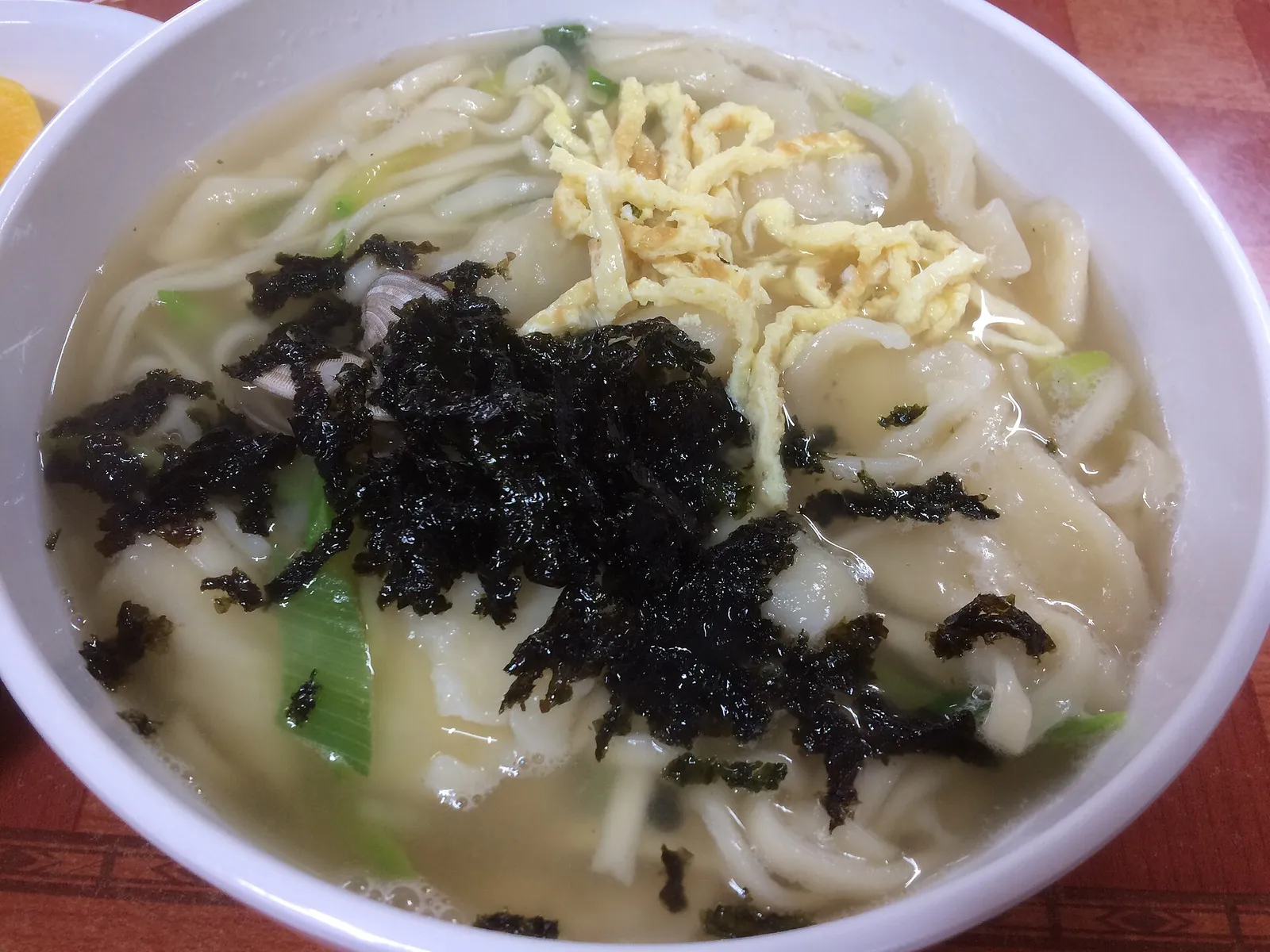
Myeongdong Kyoja opened in 1966 as a kalguksu shop and now holds a Michelin Bib Gourmand listing. It serves four things, essentially: kalguksu (₩11,000), a bowl of hand-cut wheat noodles in a thick, garlicky broth topped with minced pork and dumplings; mandu (₩12,000); bibim guksu, cold noodles in chilli sauce; and in summer, kongguksu, noodles in chilled soybean broth.
Open 10:30–21:00 with last orders at 20:30, every day. The garlic kimchi on the table is aggressively strong, which regulars consider the point. Queues at lunch look long but move in ten to fifteen minutes because nobody lingers.
Old restaurants worth the detour
Myeongdong and the streets just east of it hold several restaurants that have outlived the shops around them.
- Hadongkwan (하동관) — gomtang, a clear beef bone soup, served since 1939. Simple, salted at the table, sold out by early afternoon on busy days. Come at 11:30.
- Gogung (고궁) — Jeonju-style bibimbap, a good introduction for anyone who has only had bibimbap outside Korea.
- Andong Jjimdak restaurants — braised chicken with glass noodles and potato in a sweet soy sauce, ordered for a table to share.
- Din Tai Fung Myeongdong — not Korean, but the branch here is reliable, has English menus and is a safe choice with children or picky eaters.
The general rule: if a restaurant has picture menus in five languages and a staff member outside waving you in, keep walking. If it has one dish on the sign and a queue of office workers, stop.
Street food: what to actually buy
The carts set up along Myeongdong-gil from about 16:00 and run late. Expect ₩4,000–8,000 per item, roughly double market prices, and treat it as an experience rather than dinner.
Worth buying:
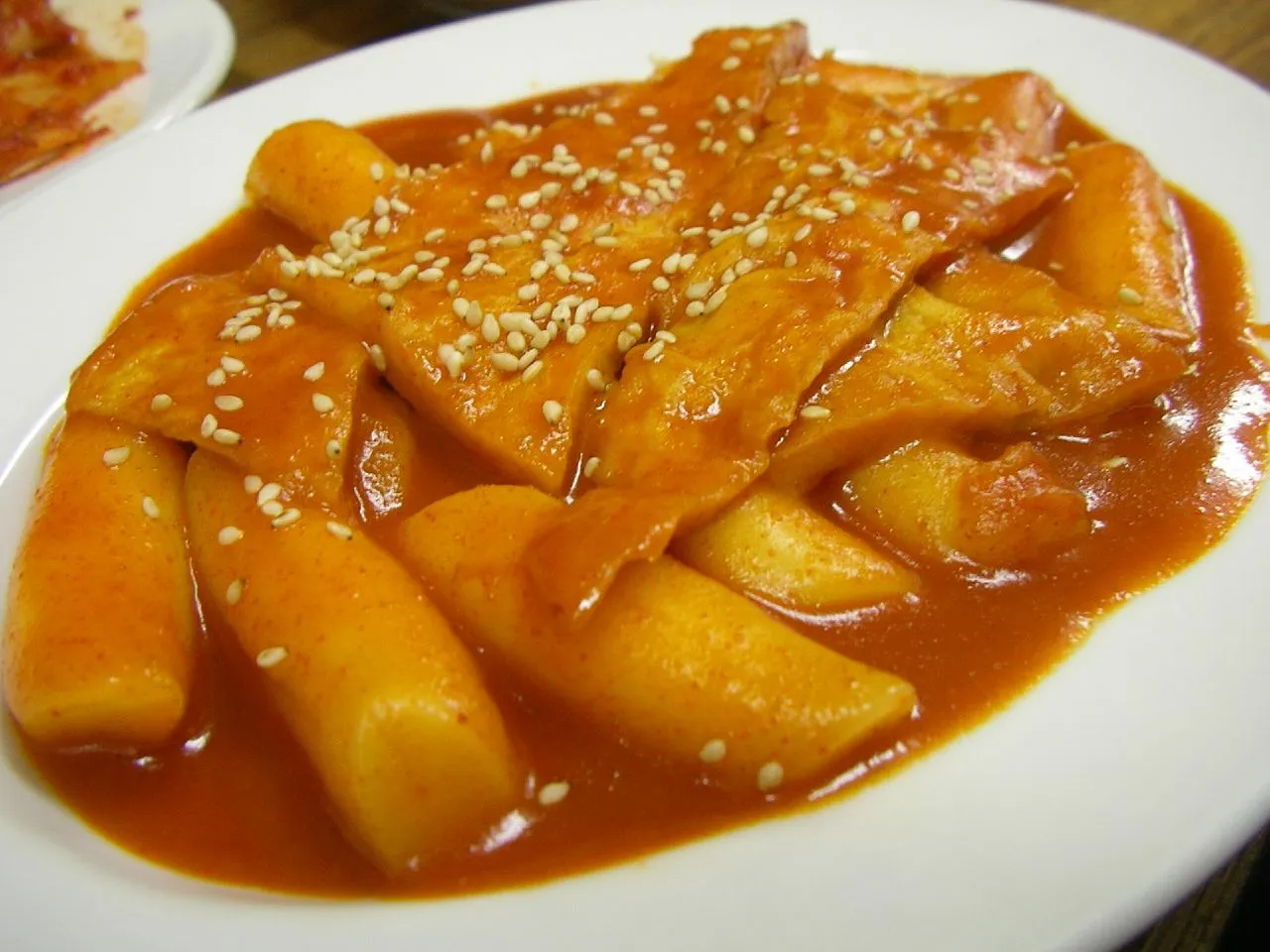
- Tteokbokki — chewy rice cakes in a sweet-hot gochujang sauce, the benchmark Korean street snack.
- Hotteok — a fried sweet pancake filled with brown sugar, cinnamon and nuts. Best in cold weather, and dangerously hot inside.
- Gyeran-ppang — a small oval bread with a whole egg baked into it.
- Grilled lobster tail and scallops with cheese — invented for tourists, expensive, and honestly quite good.
- Mini gimbap — seaweed rice rolls, the cheapest thing on the street and a decent snack.
Skip the cut fruit cups unless you watch them being cut, and be aware that some stalls now charge a premium for a card payment.
Where locals eat instead
Two blocks and you are out of tourist pricing:
- East toward Chungmuro: small Korean restaurants doing lunch sets for ₩9,000–12,000.
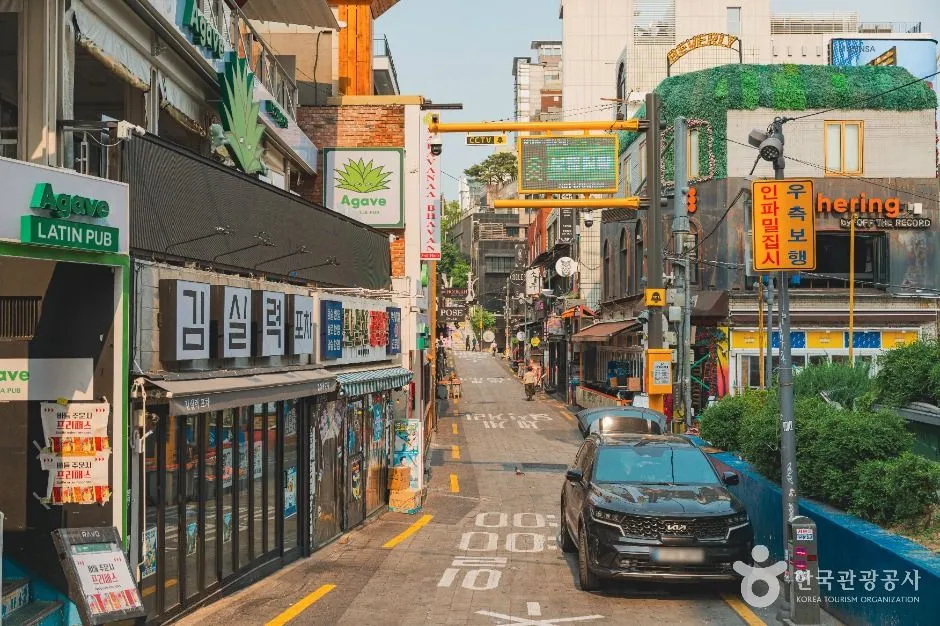
- North across Cheonggyecheon into Euljiro: the “Hip-jiro” alleys, where old print-shop buildings now hold bars and restaurants. Ten minutes on foot and a completely different price level.
- West to Namdaemun Market: galchi jorim (braised hairtail) alley, kalguksu alley, and hotteok stalls at market prices.
Halal and vegetarian
Myeongdong is one of the easier parts of Seoul for both.
- Several halal-certified and Muslim-friendly restaurants operate around Myeongdong, serving Korean dishes and Middle Eastern and Central Asian food. Look for the certification sticker rather than trusting the sign, since standards differ between “halal certified” and “Muslim friendly”.
- Itaewon, fifteen minutes away on Line 4 then Line 6, has Seoul’s largest concentration of halal restaurants and the central mosque.
- Vegetarians: temple-food restaurants and Buddhist vegetarian places exist nearby, but be aware that most Korean soups and side dishes use anchovy or beef stock by default. The phrase to learn is “고기 빼주세요” (gogi ppaejuseyo, “no meat, please”), and even then confirm about broth.
Practical notes
- Lunch is cheaper than dinner at almost every sit-down restaurant, often by 20–30%, via set menus.
- Most old restaurants close between 15:00 and 17:00. Plan around it.
- Water, side dishes and refills are free and self-service at many places; look for the water dispenser near the door.
- Tipping is not practiced. The bill is the bill.
- Cards are accepted almost everywhere, including most street stalls, but small notes are still handy.
- Solo diners: noodle and soup restaurants are completely normal alone; barbecue places often have a two-portion minimum.
Wrapping up
Eat one meal at Myeongdong Kyoja because it is genuinely good and takes twenty minutes, graze the street carts once for the experience, and take your other meals two blocks off the main street or across the stream in Euljiro. That plan costs less and eats better than staying on Myeongdong-gil for three days.
More in this series: where to stay in Myeongdong, what to do and buy, and the Myeongdong overview.