 Now, Yeogi
Gangneung Travel Guide: Coffee, Beaches and How to Get There (2026)
A first-timer's guide to Gangneung: two hours from Seoul by KTX, how the city buses and the coastal tour bus work, what Anmok Coffee Street actually is, and when the festivals fall.
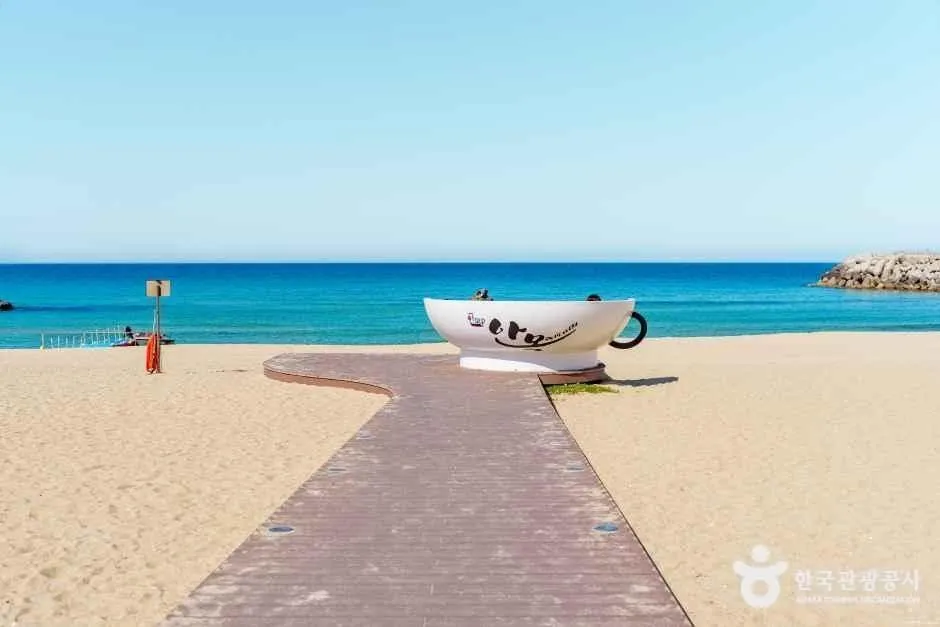
Places in this post
- Address
- Changhae-ro 14beon-gil, Songjeong-dong, Gangneung
- Hours
- Open all year, no set hours
- Menu
- Admission Free
- Tip
- About thirty cafés along one stretch of beach. It started with vending machine coffee in the early 1980s and became a roasting district from the 1990s.
Gangneung is the east coast beach city that Seoul can reach in two hours, and it has built its modern identity on coffee rather than seafood. That sounds like a marketing line. It is not: there is a stretch of beach with about thirty cafés on it, a coffee museum, and an annual coffee festival.
Prices and times are as of September 2026.
Getting there from Seoul
By KTX on the Gyeonggang Line, Seoul Station to Gangneung takes about two hours.
On the fare, a caution. Korea’s two high-speed operators merged on 1 September 2026 and fares fell by roughly ten percent, and Korail’s booking system does not expose a public fare table to check against. Look up the current price when you book rather than trusting an older figure.
By express bus, there are two options and they are not the same.
| From | Time | Deluxe fare |
|---|---|---|
| Seoul Express Bus Terminal | 2h 50m | ₩24,600 |
| Dong Seoul Terminal | 2h 30m | ₩26,100 |
Dong Seoul is faster and slightly dearer. Premium class runs ₩31,900 and ₩33,900 respectively, and there are late-night services at a surcharge. Seoul Express runs 24 departures a day, Dong Seoul 12.
Getting around
Gangneung Station is in the city centre, which is unusual for a Korean provincial KTX stop and makes the city easy to work. Many bus routes start or finish there.
City buses cost ₩1,530 by card for a standard service and ₩1,700 in cash, so tapping saves ten percent. T-money works, along with Cashbee, Mybi and several others. You get two free transfers within an hour with a card, though not with cash and not on the same route number.
The SEA TEA city tour bus is the useful one. It runs the 23 km coastal route from Anmok Coffee Street to Jumunjin Beach, calling at Songjeong, Gangmun, Gyeongpo, Sacheon, Yeongok, Yeongjin and Jumunjin fish market. It leaves every 40 minutes from 08:00, and it charges the same as an ordinary city bus with transfers valid. For a coastal day this beats a rental car.
Specific routes: Anmok is served by the SEA TEA bus and routes 200, 212, 220, 222 and 223. Gyeongpo Beach is routes 202, 202-1 and 202-2. Jeongdongjin is bus 112.
Anmok Coffee Street
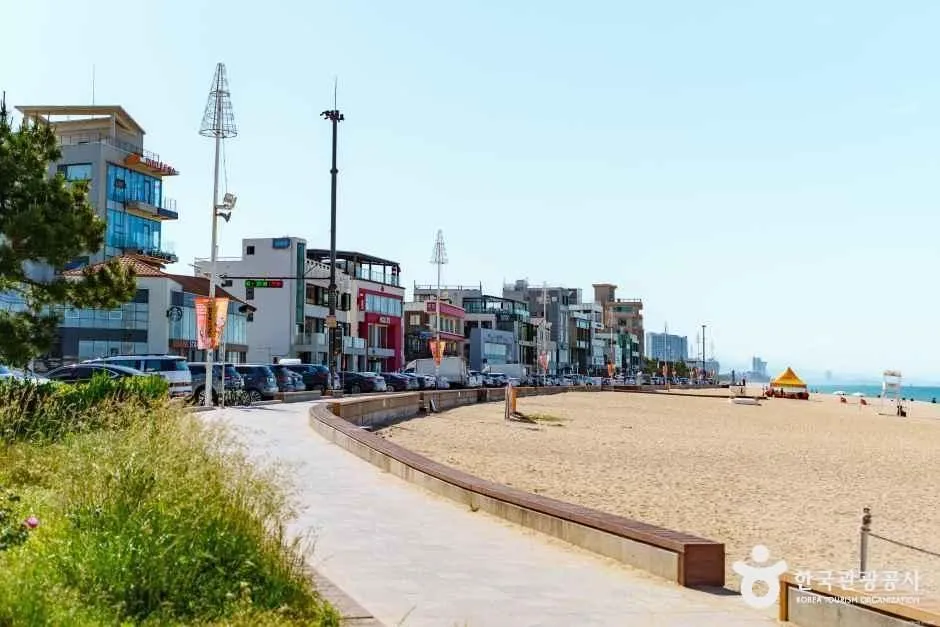
Anmok (안목해변) is a short beach with a road behind it and roughly thirty cafés along that road. It is free and open at any hour.
The origin story is better than most. The beach was known for its coffee vending machines in the early 1980s, of all things, and from the 1990s independent roasters moved in and turned an accidental reputation into a real one. Gangneung is now, with Jeonju, one of Korea’s UNESCO Creative Cities of Gastronomy.
Come for a morning coffee facing the sea. It is the single most characteristic thing to do in the city.
The rest of the city
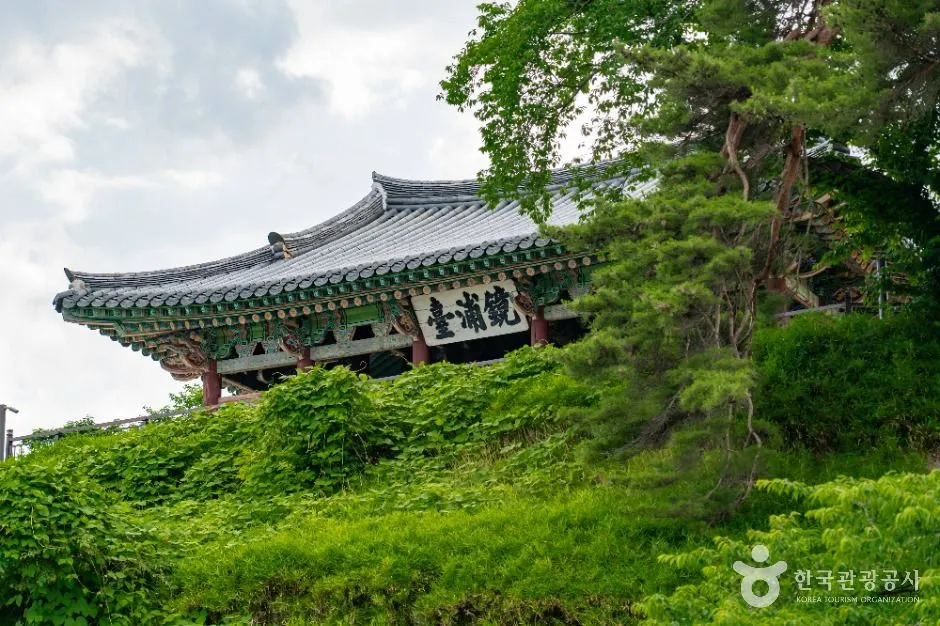
Gyeongpo (경포) is the big beach, with the Gyeongpodae pavilion on the hill above it, free and open at all hours.
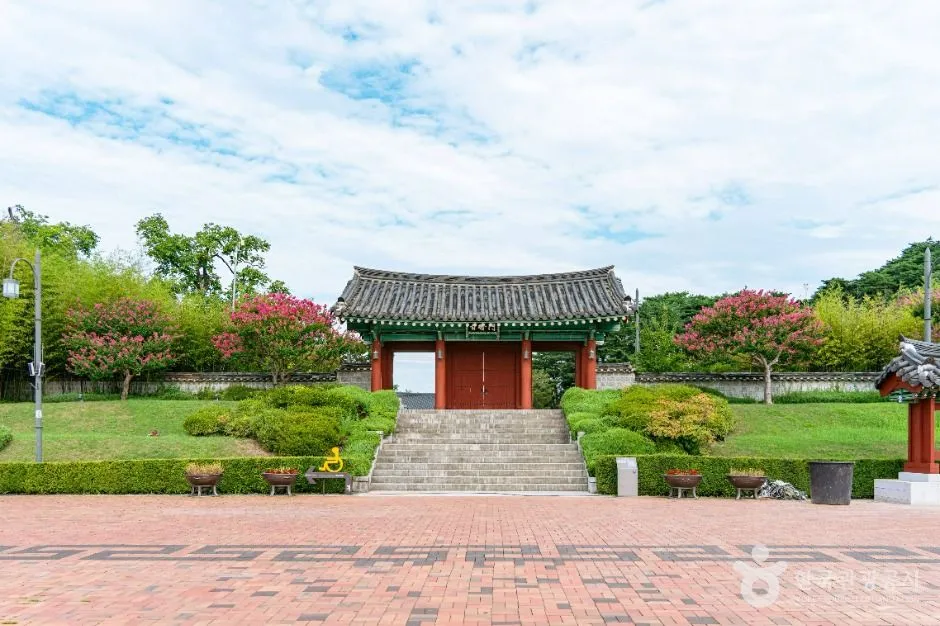
Ojukheon (오죽헌) is the birthplace of the scholar Yi I and his mother Shin Saimdang, the two faces on Korean banknotes. ₩3,000 for adults.
Jeongdongjin (정동진) is the sunrise village south of the city, reachable by bus 112 or by a 17-minute local train.
Chodang (초당두부마을) is a village of tofu restaurants, and Jungang Market is the covered market in the centre with a fish market in the basement.
Full details are in our things to do guide.
What to eat
Two things define Gangneung’s table.
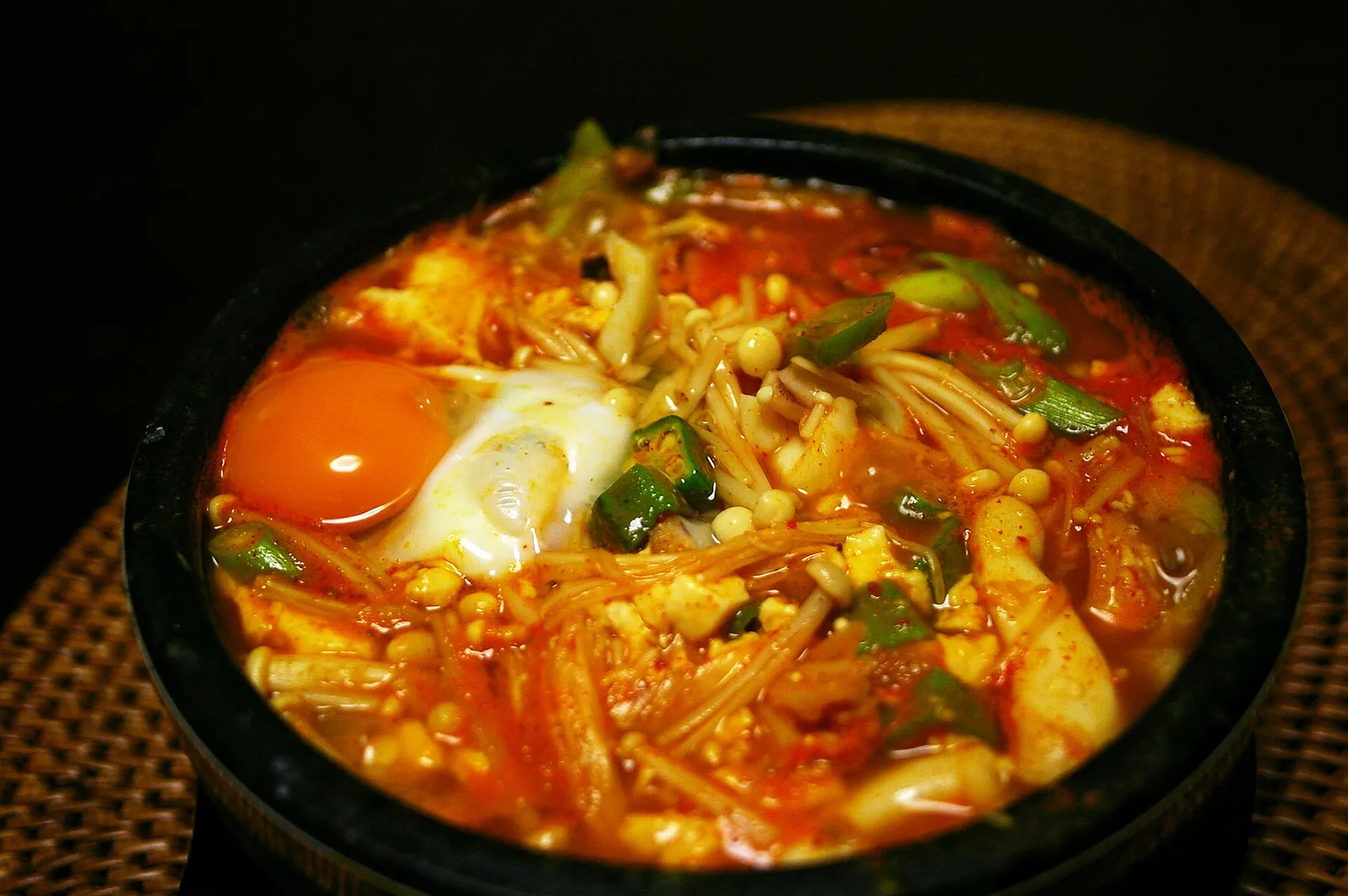
Chodang sundubu (초당순두부) is soft tofu curdled with seawater instead of a chemical coagulant, which is the local peculiarity. The practice is attributed to a sixteenth-century magistrate, and the first dedicated tofu restaurant in Chodang village opened in 1986.
Coffee, obviously, at Anmok or at the roasters in town.
Beyond those, gamja ongsimi, grated potato dumplings, and mulhoe, cold raw fish soup, are the Gangwon dishes to look for. Our food guide has the detail.
When to go
Summer is beach season. Gyeongpo opened on 4 July in 2026 and the beaches closed in late August, so the supervised window is roughly two months.
October is the better month for everything else, and 2026 has an unusually dense run of festivals:
- Gangneung Bread Festival, 9 to 11 October
- Gangneung Noodle Festival, 15 to 18 October
- 18th Gangneung Coffee Festival, 21 to 25 October
June brings the Gangneung Danoje Festival, 15 to 22 June 2026, a traditional festival designated a national intangible cultural property in 1967 and the city’s biggest annual event.
31 December is the sunrise festival at Jeongdongjin, which fills every room on the coast. Book months ahead if that is the plan.
Two days that work
Day one. Arrive late morning, coffee at Anmok, Gyeongpo Beach and the pavilion in the afternoon, tofu dinner at Chodang.
Day two. Ojukheon in the morning, Jungang Market for lunch, then the SEA TEA bus up the coast to Jumunjin, or the train down to Jeongdongjin.
Practical notes
- The station is central. You can walk into town from the train.
- Tap, do not pay cash. Card fares are ten percent cheaper and only cards get transfers.
- The tour bus is a normal bus fare. There is no premium for the coastal route.
- Book far ahead for New Year. Jeongdongjin’s sunrise is a national event.
- Beaches are supervised only in season, roughly July and August.
Wrapping up
Gangneung works as a two-day trip and it is unusually easy: fast train, central station, cheap coastal bus. Drink the coffee, eat the tofu, and let the SEA TEA bus do the driving.
More in this series: where to stay, what to see and what to eat.