 Now, Yeogi
Where to Stay in Gangneung: Gyeongpo, Anmok or the Station (2026)
Choosing a base in Gangneung: the Gyeongpo beach hotels, the coffee street at Anmok, the central station area, Jeongdongjin for the sunrise, and staying in a 300-year-old estate.
Gangneung is easier to choose a base in than most Korean coastal cities, for one reason: the KTX station is in the middle of town, not on the edge of it. That removes the usual trade-off between transport and location.
The city’s own accommodation register lists 205 properties across five zones. It does not publish prices, and neither does this guide, because there is no reliable source for them.
The zones, as the city divides them
The official register splits the city into five areas, and they are a genuinely useful frame.
- Downtown (시내권) — around the station and Jungang Market
- Gyeongpo (경포권) — the main beach and lagoon
- Daegwallyeong (대관령권) — the mountain pass and ski country inland
- Jumunjin (주문진권) — the fishing port up the coast
- Jeongdongjin and Okgye (정동진·옥계권) — the sunrise coast to the south
Most visitors want the first two.
Gyeongpo
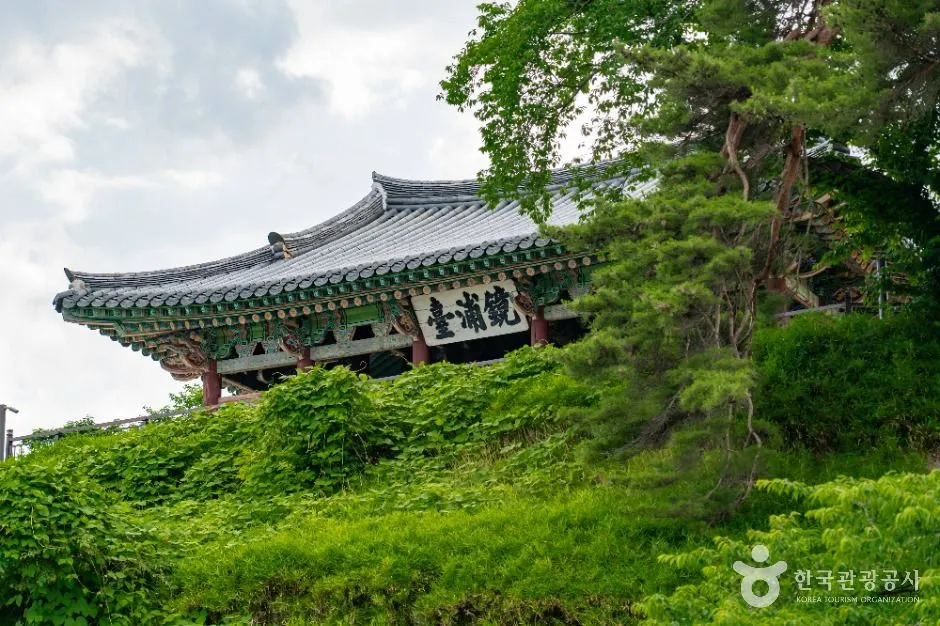
The beach option, and the one most people should take for a summer trip. Gyeongpo is the city’s main beach, with the lagoon and Gyeongpodae pavilion behind it and a flat, cycleable park around the water.
Accommodation here runs from resort hotels to pensions and guesthouses. Properties on the city register include the Gangneung St. John’s Hotel on Changhae-ro and the Siesta Guesthouse Gyeongpo on Haean-ro.
Transport: buses 202, 202-1 and 202-2 into town, about 20 minutes.
Suits: summer trips, families, anyone who wants to walk out onto sand.
Downsides: it is a resort strip, so it is busy and loud in July and August and quiet to the point of empty in winter. You bus into town for dinner.
Anmok
The coffee street. A shorter beach with about thirty cafés along the road behind it, and a smaller, more scattered supply of rooms.
Suits: anyone whose ideal morning is a drip coffee facing the sea, and shoulder-season visitors who want the coast without the Gyeongpo crowd.
Downsides: fewer rooms, so book earlier. Little happens here at night.
The SEA TEA coastal tour bus starts at Anmok, which makes it a convenient base for a day up the coast.
Downtown, near the station
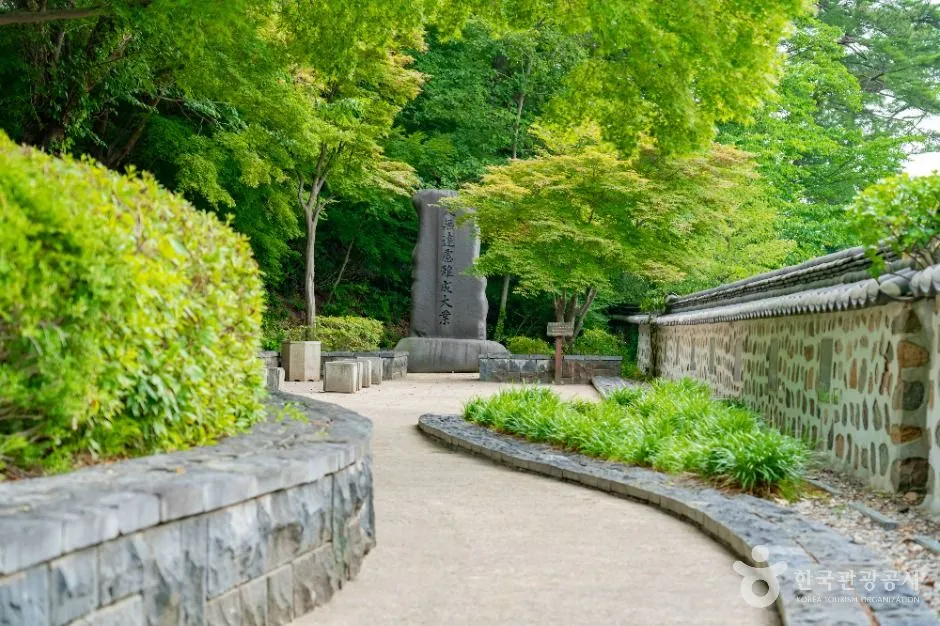
The practical option, and better than it sounds. Gangneung Station sits in the city centre, the Wolhwa-gil street park runs 2.6 km from it through town on an old railway alignment, and Jungang Market is a walk away.
Verified properties on the city register include Hong C Hotel Gangneung Station and Hotel East9, both in the downtown zone.
Suits: short trips, off-season visits, anyone arriving late or leaving early, travellers without a car.
Downsides: no sea view, and you bus out to the beaches.
Jeongdongjin
The sunrise village twenty minutes south, reached by bus 112 or a 17-minute local train. Accommodation here exists almost entirely to put people in front of the sunrise.
Suits: one specific purpose. If watching the sun come out of the sea is the point of your trip, sleep here.
Downsides: it is a small village, the food options are limited, and you are away from everything else.
The New Year is the exception that proves it. The sunrise festival runs every 31 December to 1 January and the whole coast fills. The city’s own advice for the 1 January sunrise is to book well in advance, and that is not a formality.
Seongyojang
Worth its own mention. Seongyojang (선교장) is a three-hundred-year-old aristocratic estate that operates a hanok stay in its guest quarters.
Staying here also gets you free daytime admission, which otherwise costs ₩5,000. If the appeal of Gangneung is its history rather than its beaches, this is the distinctive choice.
What to check before you book
- Which beach. Gyeongpo and Anmok are different places with different characters.
- Season. A Gyeongpo resort in February is a very quiet building.
- Whether it is a pension. Much of the coastal stock is self-catering rather than hotel service.
- New Year dates. Anything on this coast for 31 December books out months ahead.
- Bus access. Check the route number and the last service; coastal buses stop earlier than city ones.
Who should stay where
Summer beach trip — Gyeongpo.
Two days, no car, any season — downtown near the station.
Coffee is the point — Anmok.
Here for the sunrise — Jeongdongjin.
Here for the history — Seongyojang.
Wrapping up
For most two-day trips, book near the station. It is central, it is cheaper than the beach, and the SEA TEA bus will take you up the coast for the price of a normal fare. Save Gyeongpo for the summer, when the beach is the reason you came.
More in this series: the Gangneung overview, what to see and what to eat.