 Now, Yeogi
Where to Stay in Gyeongju: Hanok Stays, Bomun Resort or Downtown (2026)
Choosing a base in Gyeongju: the hanok cluster around Daereungwon, the Bomun Lake resort zone, why the KTX station is nowhere near the old city, and what the station renaming means for your plans.
Gyeongju was the capital of the Silla kingdom for a thousand years, and the modern town is built around what is left of it. That makes the accommodation decision unusual: you are choosing between sleeping inside the archaeological zone, out at a purpose-built resort, or beside a station that is not where you think it is.
Price indications below come from the properties’ own sites where available. Gyeongju rates move sharply for cherry blossom season and autumn weekends.
First, the station problem
This trips up a lot of visitors, so it comes before anything else.
The old downtown Gyeongju Station closed to passengers on 28 December 2021. Two years later, on 28 December 2023, the KTX station formerly called Singyeongju was renamed Gyeongju Station.
So when a booking site says a hotel is “near Gyeongju Station”, it now means the KTX station out in Geoncheon-eup on the western edge of the county, not the old town. The historic centre no longer has a working railway station at all, and arrivals there are handled by bus.
Book on the assumption that you will take a bus or taxi from the train.
Hwangnam-dong and Daereungwon: the hanok cluster
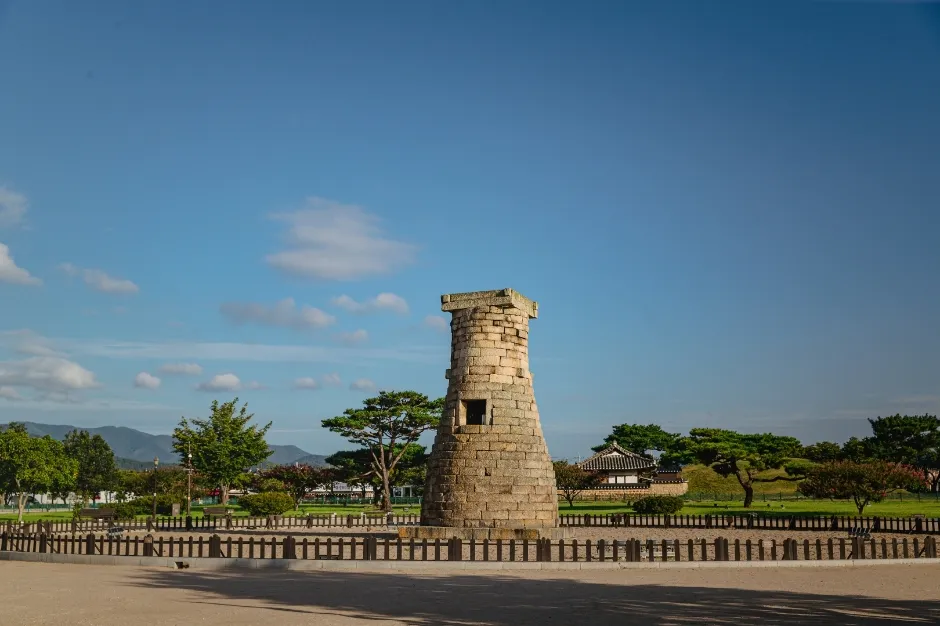
This is the area most people should pick. You are inside the old city, and Daereungwon, Cheomseongdae, Woljeonggyo and Hwangnidan-gil are all within walking distance. The express and intercity bus terminal is about ten minutes away.
The stock here is unusual. Rather than hotels, it is overwhelmingly small independent hanok houses rented whole, often a single courtyard building for one party. The city’s own register lists 88 properties in its hanok category, including Gyeongju STAY409, Hanok Pension L on Hwangnidan-gil, Stay Inyeon and Jieunjeong Stay.
Suits: couples, photographers, anyone who wants to walk rather than ride.
Downsides: many are booked by phone or KakaoTalk rather than through international sites, walls are thin, there is no station within walking distance, and Hwangnidan-gil gets loud at weekends. Published rates are rare, so expect to enquire.
Bomun Lake Resort
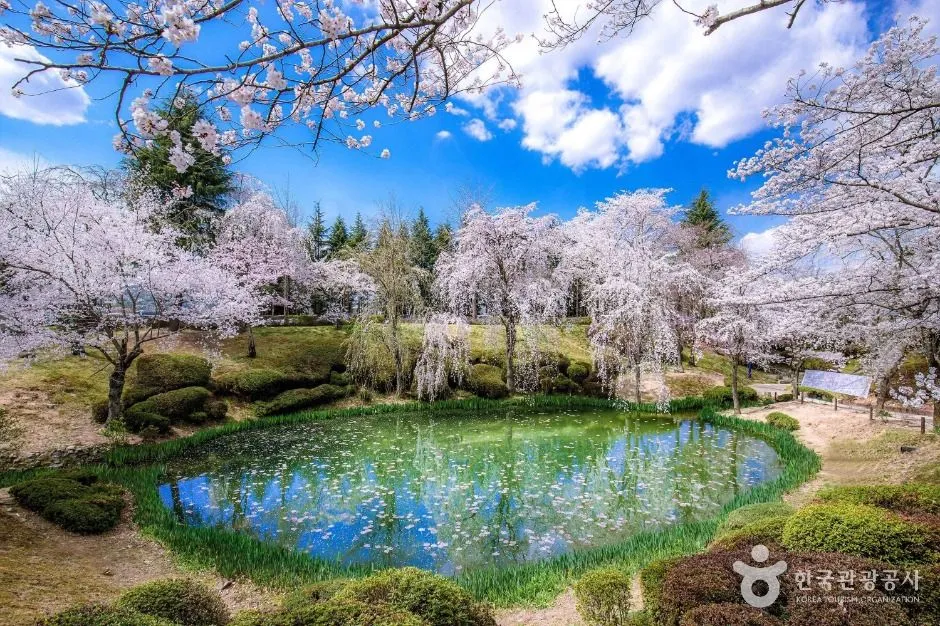
A planned resort district built around a lake, five to seven kilometres east of the old city. This is where the large hotels are.
Verified as operating on the city’s own listings and their own sites: the Hilton Gyeongju, Lahan Select Gyeongju on Bomun-ro, the Commodore Hotel Gyeongju, The-K Hotel Gyeongju and Kinoc Gyeongju. Alongside them sit condominium resorts including Hanwha Resort Gyeongju, Sono Belle Gyeongju, Kensington Resort Gyeongju and Ilsung Gyeongju Bomun Resort.
For a sense of the range, Lahan Select lists packages from around ₩135,000 up past ₩309,000, and the Hilton’s own site quotes from roughly ₩243,000 including fees.
Suits: families, groups, anyone with a car, conference visitors, and travellers who want a pool and a proper breakfast.
Downsides: everything is a bus or taxi ride away, resort food is priced accordingly, and some of the buildings date from the 1970s development and show it.
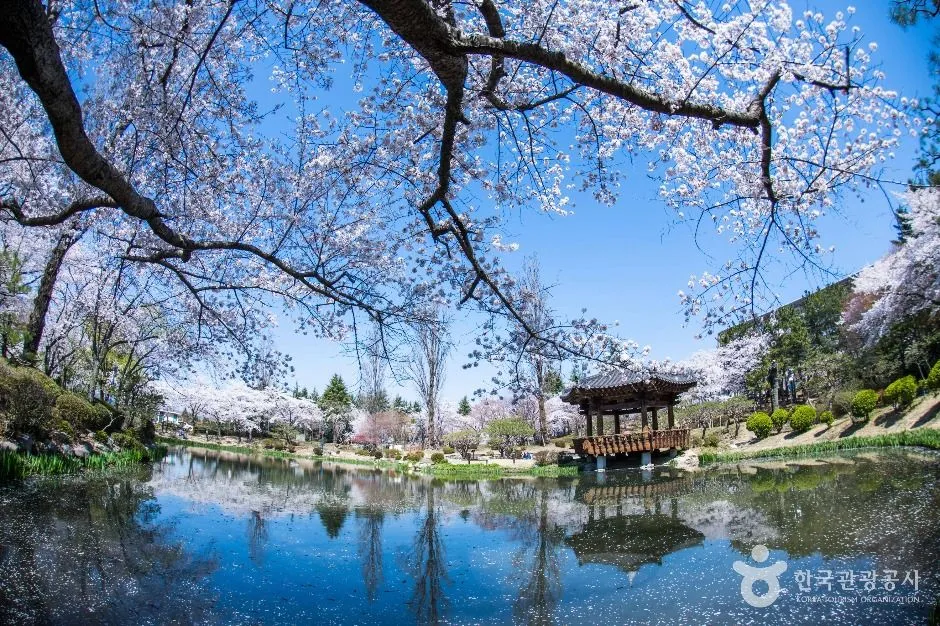
The lake itself is genuinely beautiful in cherry blossom season, which is the strongest argument for staying here in April.
Near the KTX station
There is no hotel cluster at the KTX station. It sits in Geoncheon-eup with little around it, and the city’s official accommodation list shows nothing meaningful nearby.
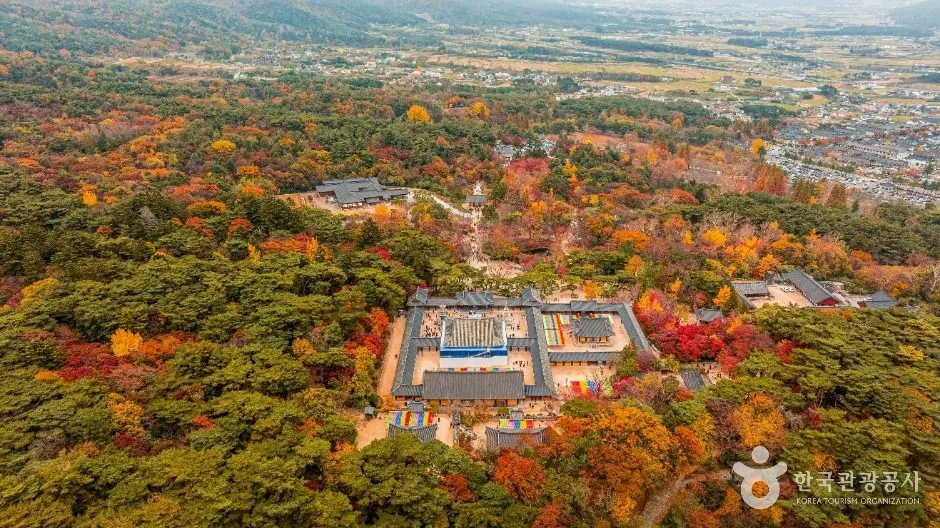
The properties people confuse with this are on the Bulguksa side of the county instead. The Kolon Hotel Gyeongju on Bulguk-ro is under a ten-minute walk from Bulguksa Temple and lists packages from about ₩98,000, and Arisu Gyeongju Hotel is in the same general area.
Book out here only if you have a car, or if you have a very early train and nothing else planned.
Downtown and the old station area
The area around the closed station is now a bus district, anchored by the express and intercity terminal. Accommodation is thin but cheap, with verified properties including Jiji Tourist Hotel in Noseo-dong and Stay Peaches in Nodong-dong.
Suits: budget travellers who still want Daereungwon and Cheomseongdae on foot.
Downsides: a tired streetscape, and you still transfer from the KTX station.
Guesthouses, templestay and historic houses
The guesthouse and pension category on the city register runs to 72 entries, mostly small operators. It is a real scene rather than a large one.
Templestay is officially offered at four temples: Golgulsa, which is known for Seonmudo martial-arts meditation, Girimsa, Bulguksa and Gamsansa. Rates are not published centrally, so contact the temple.
Historic house stays are the distinctive Gyeongju option. Traditional homes including Wolamjae, Dongnakdang, Seoak Seowon, Suojae and Hyangdan take guests through a central booking service. If the point of your trip is the Silla and Joseon layers of the city, this beats a hotel.
What to check before you book
- Which Gyeongju Station. There is only one now, and it is not downtown.
- Whether the hanok has a private bathroom, and whether the heating is ondol floor heating only.
- How the booking is made. Many hanok stays do not appear on international platforms.
- Cherry blossom dates. Early April fills Bomun months ahead and doubles prices.
- Whether breakfast is worth it. In Hwangnam-dong it is not, because Hwangnidan-gil is two minutes away.
Who should stay where
Two nights, no car, sightseeing focus — Hwangnam-dong, in a hanok.
Family, car, want a pool — Bomun.
One night, arriving late, leaving early — near Bulguksa or downtown.
Here for the temples specifically — templestay at Golgulsa or Bulguksa.
Wrapping up
Stay in the old city if you can. Gyeongju’s particular pleasure is walking out at night to a lit tomb mound or the Woljeonggyo bridge, and that only works if you are already inside the archaeological zone.
More in this series: the Gyeongju overview, what to see and what to eat.