 Now, Yeogi
Where to Stay in Ikseon-dong: What Sleeping in a Hanok Actually Means (2026)
Accommodation around Ikseon-dong, set out from official sources: 100 of Seoul's 133 hanok stays are in Jongno-gu, what the hanok-stay registration standard really requires and what it does not, the fact that a third of the rooms within walking distance are in old-style inns, and the airport bus 6002 that stops at Jongno 3-ga.
Places in this post
- Address
- 129 Jongno (basement), Jongno-gu, Seoul
- Hours
- Towards the airport, first bus 04:13, last bus 20:45
- Menu
- Airport limousine 6002 In front of exit 11 - adult 17,000 won
- Tip
- You board 30m from exit 11 and get off in front of exit 15. The last bus is later than the 6015 in Euljiro.
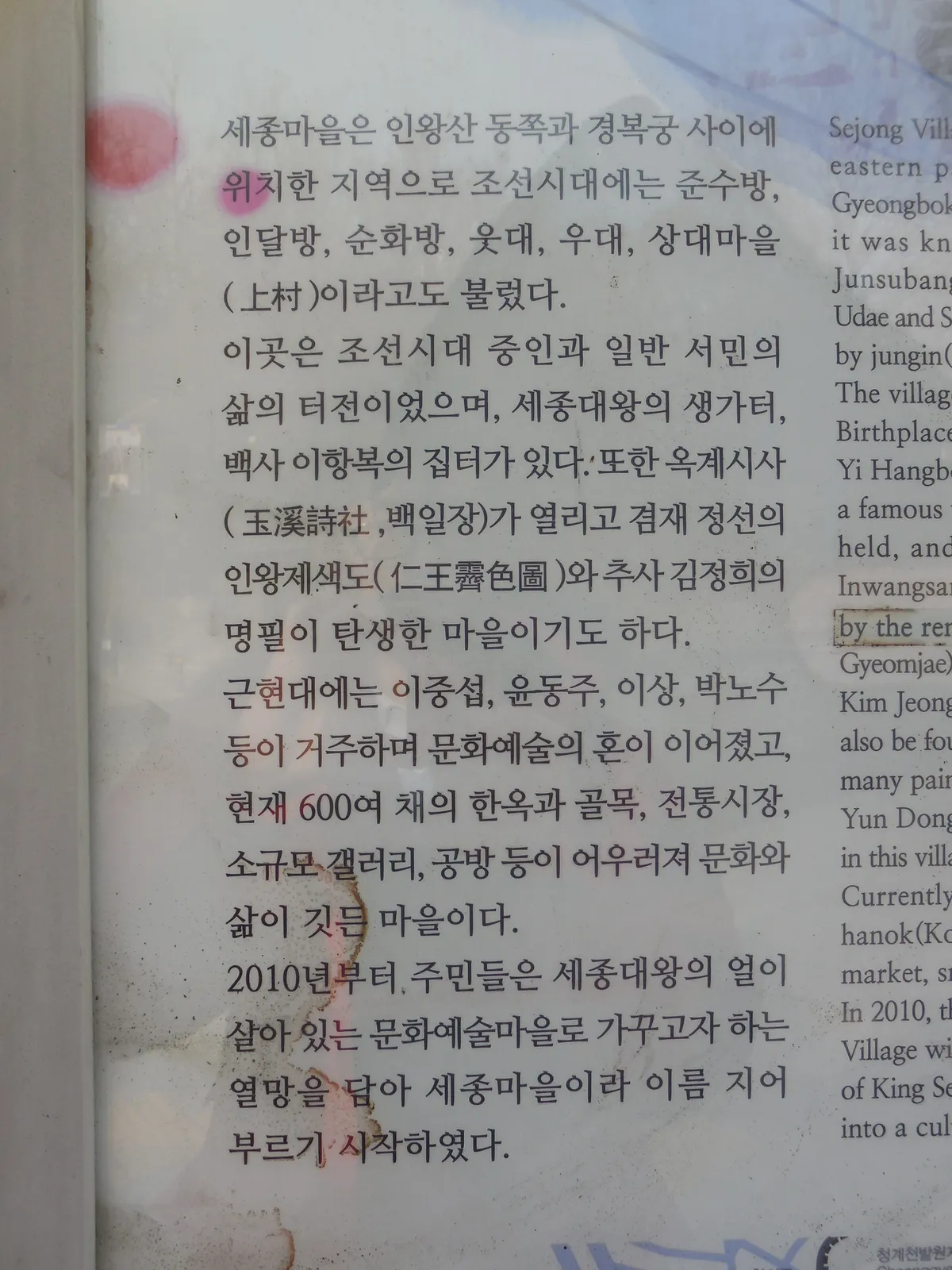
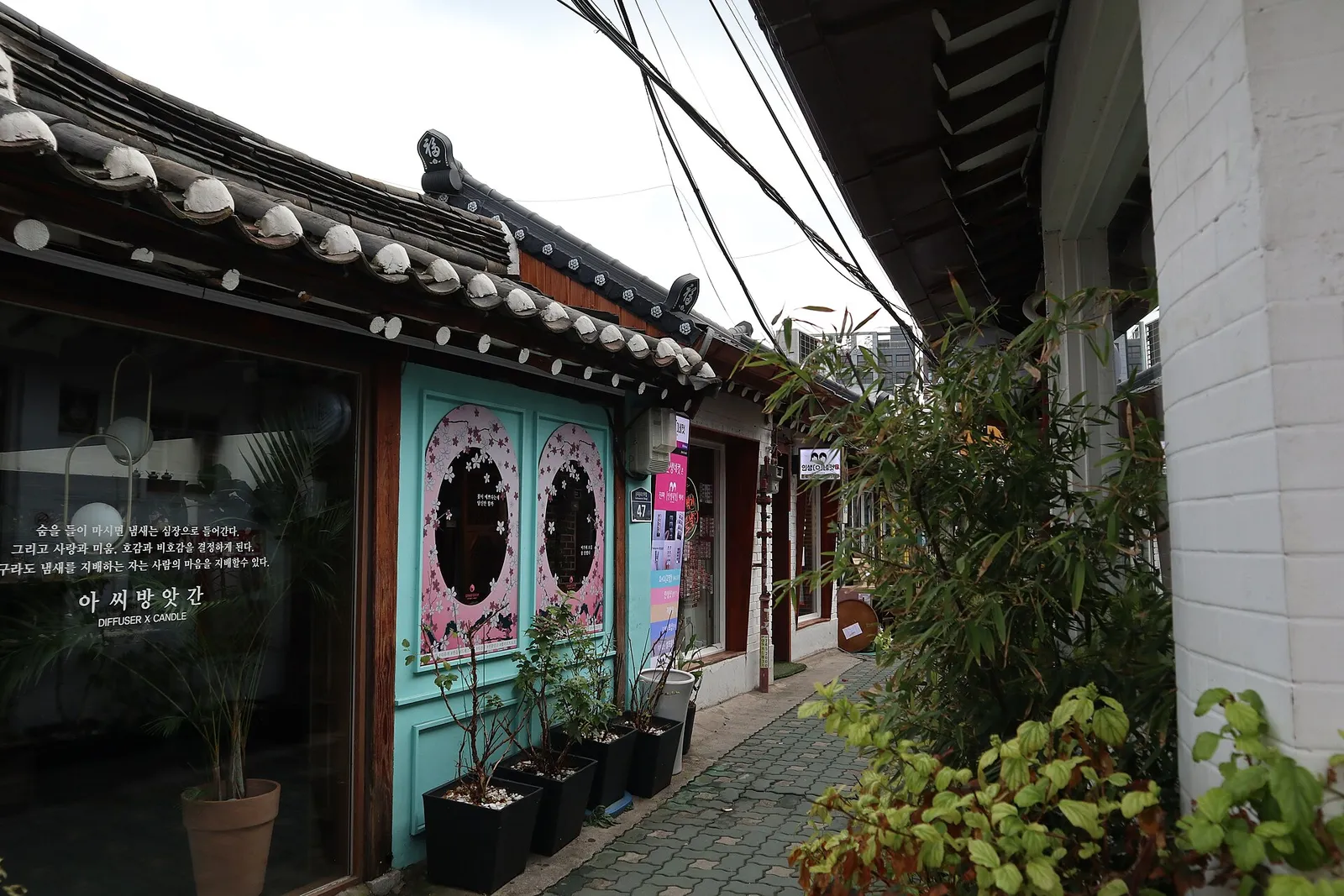
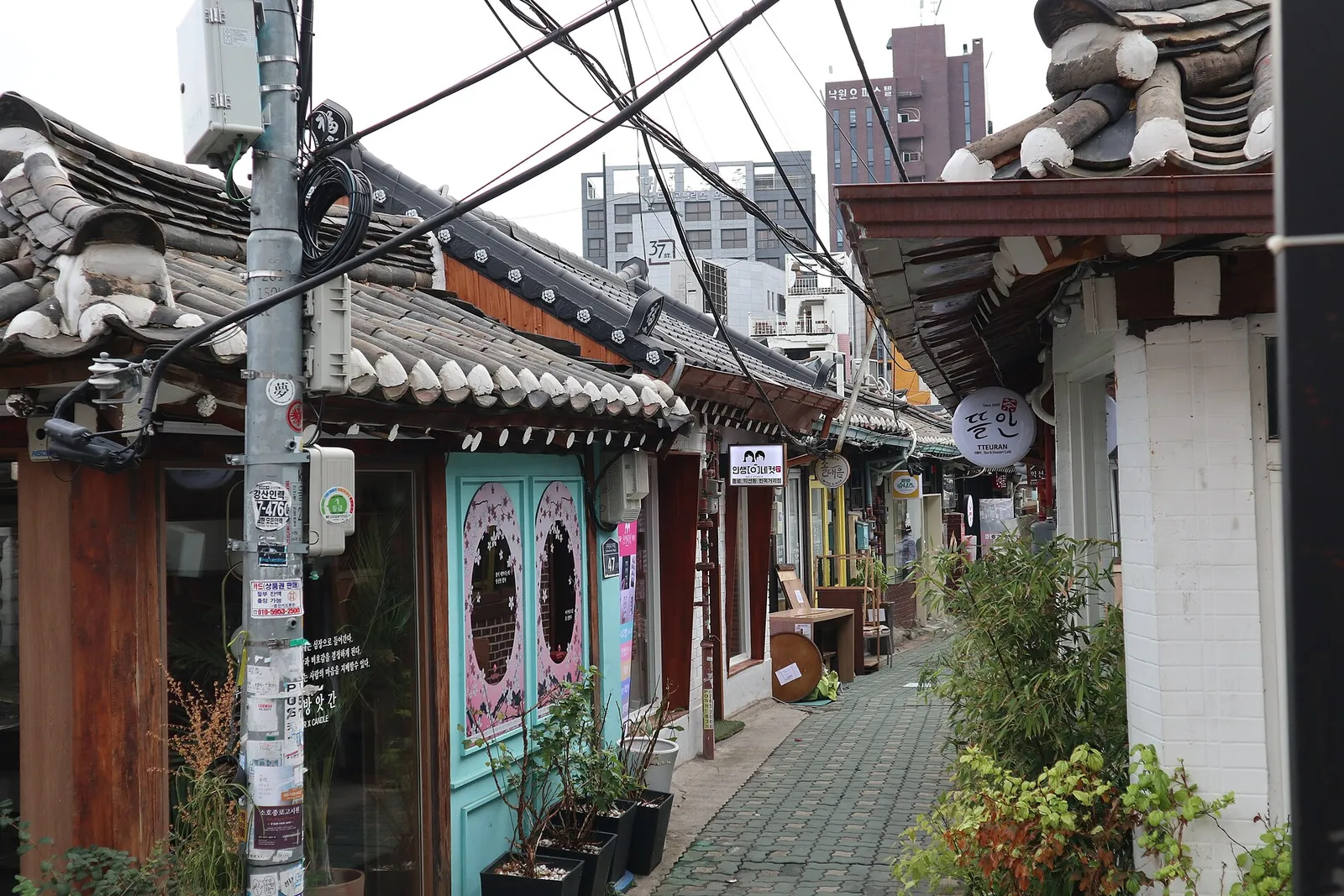
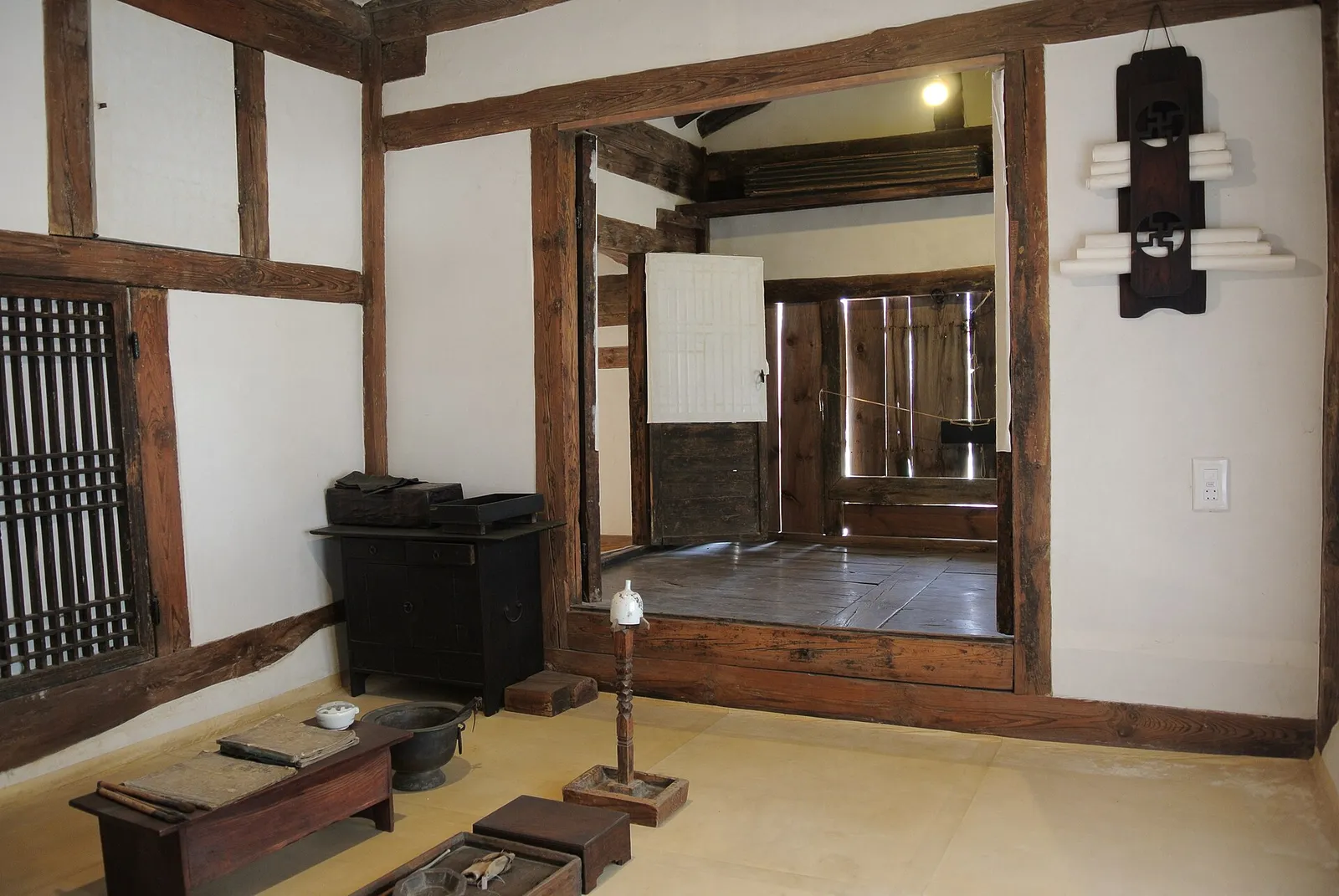
A good many people come to Ikseon-dong because they want to sleep in a hanok.
But what a hanok stay actually is is not well known. What the law requires, and what it does not, is different from what most people assume. That comes first.
Hanok stays are concentrated in Jongno-gu
By the Seoul Tourism Organization’s Seoul Stay listing there are 133 hanok stays in Seoul, and the distribution is extreme.
| District | Hanok stays |
|---|---|
| Jongno-gu | 100 |
| Eunpyeong-gu | 18 |
| Seongbuk-gu | 7 |
| Dongdaemun-gu | 5 |
| Jung-gu | 0 |
| Seongdong-gu | 0 |
Jung-gu, which contains Euljiro, has none, and neither does Seongdong-gu, which contains Seongsu-dong. To sleep in a hanok you effectively have to come to Jongno-gu.
That said, there are fewer right by Ikseon-dong than you might expect. Within 500m of Jongno 3-ga Station there are 6, while within 500m of Anguk Station there are 21. The Bukchon side has far more.
What the hanok-stay business standard actually requires
This is probably the most useful part of the post.
A hanok stay is registered as a hanok-stay business under the Tourism Promotion Act. It is not a hotel business but a tourist-use facility business. Reading the registration standard clears up a lot of misunderstandings.
What the law does not require
A private bathroom is not compulsory. This is all the provision says.
Where overnight stays are provided, convenience facilities such as a bath or shower shall be provided so that users are not inconvenienced
There is no wording requiring one per room. Shared toilets are legal, and there are in fact hanok stays near Jongno 3-ga Station listed as having shared toilets.
Nor is there any rule that you have to sleep on the floor. There is no provision at all about beds, ondol or bedding mats. Some hanok stays state “four queen-size beds” outright.
“Sleeping in a hanok means sleeping on a mat on the floor” is industry practice, not a legal requirement. If you want a bed, you can find one.
What the law does require
- At least one fire extinguisher, and a standalone smoke alarm in every room
- A carbon monoxide alarm as well, if heating is individual
- Total floor area of the sleeping space under 230 square metres
- Disinfection at least once a month, and regular laundering of bedding
- Ventilation (exempt if natural ventilation through windows is possible)
- A manager on duty during business hours
- Posting the tariff and keeping to it
Hanok in winter often have individual heating, so in practice a carbon monoxide alarm should be there. Take a look when you check in.
There is no requirement for a 24-hour front desk. But a manager must be present during business hours.
If the rate on your booking screen differs from the rate on site, that is a breach of the registration standard.
What the accommodation around Ikseon-dong actually is
Setting hanok aside, here is what ordinary accommodation looks like, on the Ministry of the Interior and Safety licensing data.
Jongno-gu as a whole has 368 businesses with 10,258 rooms, third in Seoul, after Jung-gu (25.0%) and Gangnam-gu (10.3%).
But the seven neighbourhoods within walking distance of Ikseon-dong - Ikseon, Nakwon, Donui, Myo, Gwonnong, Waryong and Bongik - look different. There are 74 businesses with 2,664 rooms, made up like this.
| Business type | Rooms | Share |
|---|---|---|
| Yeogwan | 886 | 33.3% |
| Registered tourist hotel | 760 | 28.5% |
| General hotel | 448 | 16.8% |
| Lodging business (residence) | 419 | 15.7% |
Old-style yeogwan inns come first. Across Jongno-gu as a whole registered tourist hotels come first, but not in this area. The data confirms that Jongno 3-ga is a district of old inns.
Businesses licensed in 1968, 1970 and 1977 are still recorded as trading.
What is opening now is mostly residence-type lodging
Of the 15 new businesses since January 2025, 12 are “residence”-type serviced lodging, averaging 9.1 rooms. Small residence-type lodgings are increasing fast.
Having “hotel” in the name has nothing to do with tourist hotel grading. The Seongsu-dong and Euljiro posts made the same point, and it holds here too.
Do not mix the two sets of figures
An important caveat. Not one hanok stay is included in the 368 businesses and 10,258 rooms above.
The hanok-stay business is a registration under the Tourism Promotion Act, while the data above covers only businesses notified under the Public Health Control Act. The governing laws are different. Cross-checking the 133 Seoul Stay hanok against the list above produced zero matching names.
You will pass through Donui-dong
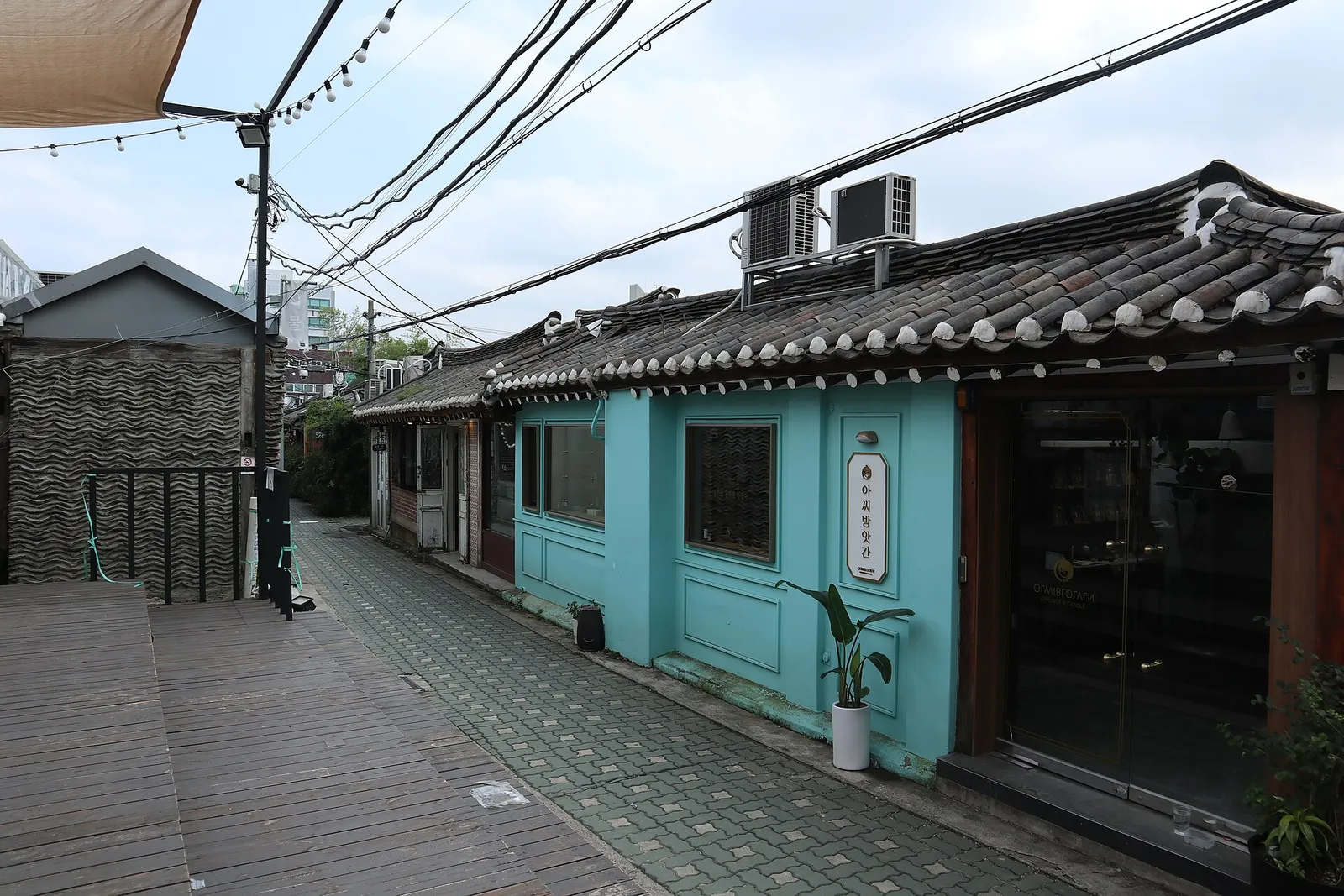
Right next to Ikseon-dong, in Donui-dong, there is a jjokbang district - an area of jjokbang, single tiny rooms. It is written here because knowing in advance is better.
These are Jongno-gu’s published figures. As of 31 July 2026, 490 of the 671 jjokbang residents in Jongno-gu live in Donui-dong. 90% are men.
The municipal Donui-dong jjokbang counselling centre provides a laundry room, showers, toilets and a heatwave and cold-wave shelter, built separately. That the centre has to build them separately means the rooms themselves do not have them.
In summer Jongno-gu runs heatwave safety lodging in partnership with hotels, up to 10 days per person.
This is not a place to go and look at. It is where 490 people live. Walking from exit 4 of Jongno 3-ga Station into Ikseon-dong takes you past it, and it is better to know in advance and pass quietly than to come upon it unawares and raise a camera.
The request Jongno-gu posts on its Ikseon-dong page applies here just as it does there.
Do not startle or disturb residents by shouting or taking photographs carelessly
For the record, jjokbang are not registered lodging businesses. They are not in the figures above, and they are not something a traveller can book.
There is an airport bus
Many people think Jongno means taking the AREX and changing. It does not.
The airport limousine Bus 6002 stops at Jongno 3-ga.
- Boarding - 30m from exit 11, in front of the jewellery wholesale arcade
- Alighting - in front of exit 15, by the Lotteria
- First bus 04:13, last bus 20:45
- Adult 17,000 won (about $12.75)
The last bus is at 20:45, nearly an hour later than Euljiro’s 19:50.
For the Bukchon and Anguk side, where the hanok stays are concentrated, the route is Bus 6011. It stops at the Changdeokgung (Biwon) stop and in front of Hana Bank at exit 1 of Anguk Station, with a first bus at 04:25 and a last bus at 20:42.
By rail, take AREX to Seoul Station and change to Line 1.
Where to book
- You want to sleep in a hanok - the Anguk Station side has more than three times the choice Ikseon-dong does
- You want to sleep cheaply - a third of the rooms in this area are in yeogwan
- You want a registered tourist hotel - there are some in Ikseon-dong itself, and 3,840 rooms across Jongno-gu
- You are in and out of the airport - the 6002’s last bus at 20:45 leaves reasonable room
What could not be verified
There is no official source for the average room rate in Jongno-gu. That is why no figures appear here.
Complete data on hanok-stay businesses could not be obtained. The Seoul Stay listing stands in for it, and since that is what the city promotes, it may not be every registered business in the country.
Some exit numbers for Nakwon Arcade, Jongmyo Shrine and Gwangjang Market had no official basis that could be found. Only the confirmed ones are written above.
Wrapping up
- 100 of Seoul’s 133 hanok stays are in Jongno-gu. Jung-gu and Seongdong-gu have none.
- Neither a private bathroom nor sleeping on the floor is a legal requirement. Some hanok have beds.
- A fire extinguisher and standalone smoke alarms are compulsory, plus a CO alarm where heating is individual.
- 33% of the rooms within walking distance of Ikseon-dong are yeogwan.
- What is opening now is mostly residence-type lodging. Check, even when the name says hotel.
- Hanok stays do not appear in the general lodging statistics. The governing law is different.
- The airport bus is route 6002, stopping at Jongno 3-ga, with a last bus at 20:45.
More in this series: the Ikseon-dong overview, things to do in Ikseon-dong, Ikseon-dong food and choosing where to stay in Jongno