 Now, Yeogi
Where to Stay in Seochon: No Hotels at All, and More Hanok Than Anywhere in Seoul (2026)
Accommodation in Seochon, set out from official sources: only 2 registered lodging businesses with 39 rooms in the whole of Seochon and not a single hotel, yet 33 of Seoul's 133 hanok stays are here. Why the two figures do not overlap, and the 6011 airport bus.
Places in this post
- Address
- Sajik-ro (basement), Jongno-gu, Seoul
- Hours
- Towards the airport, first bus 04:31, last bus 20:48
- Menu
- Airport limousine 6011 Opposite the Seoul Metropolitan Police Agency at exit 1 - adult 17,000 won
- Tip
- Route 6011 is the only airport limousine that stops at Gyeongbokgung Station. The same route also stops at Anguk Station.
Accommodation in Seochon comes down to two numbers. And they point in opposite directions.
- Registered lodging businesses in Seochon - 2 of them, with 39 rooms. Both are yeogwan inns, and there is not one hotel
- 33 of Seoul’s 133 hanok stays are in Seochon. No neighbourhood in Seoul has more
Here is why the same place produces both.
There are no hotels
Seochon was counted from the city’s licensing data. The Seoul Hanok Portal defines Seochon as 14 legal-status neighbourhoods, and this tally covers the 13 of them that could be pinned down by address.
| Business type | Businesses | Rooms |
|---|---|---|
| Yeogwan | 2 | 39 |
| Registered tourist hotel | 0 | 0 |
| General hotel | 0 | 0 |
| Lodging business (residence) | 0 | 0 |
| Yeoinsuk | 0 | 0 |
Two inns, and that is all. One was licensed in 1985, the other in 1999.
Tourist accommodation businesses were checked separately, and there are zero in those same 13 neighbourhoods. The nearest are in Dangju-dong and Sinmunno 1-ga, over towards Gwanghwamun.
The Seongsu-dong post said “no hotels” too, but Seongsu-dong still had 21 yeogwan with 299 rooms. Seochon has far less than that.
The reason is in the overview post. From 1977 to 2024, for 47 years, heights were capped at 15 to 20m. A hotel could not be built.
And yet it has the most hanok stays in Seoul
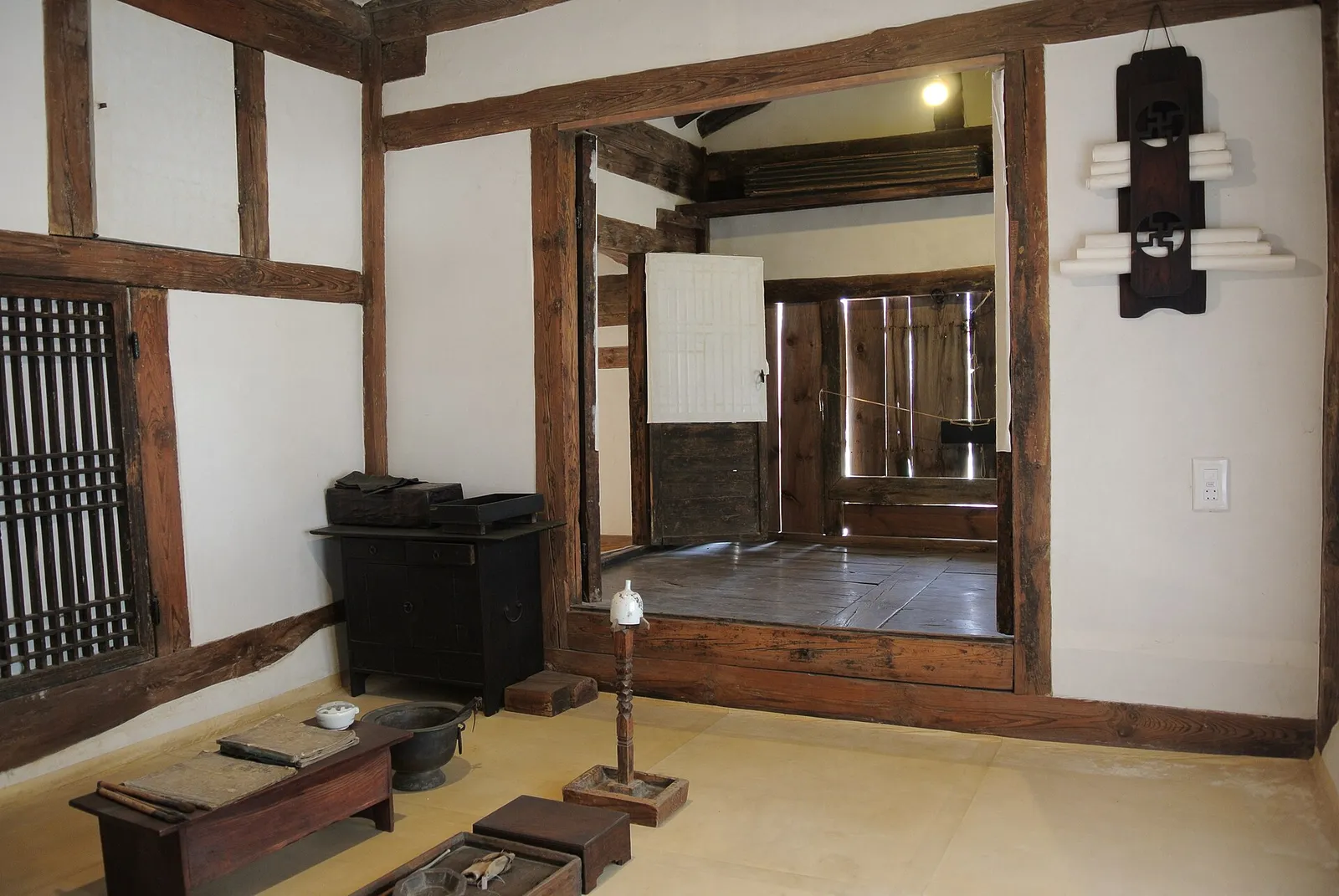
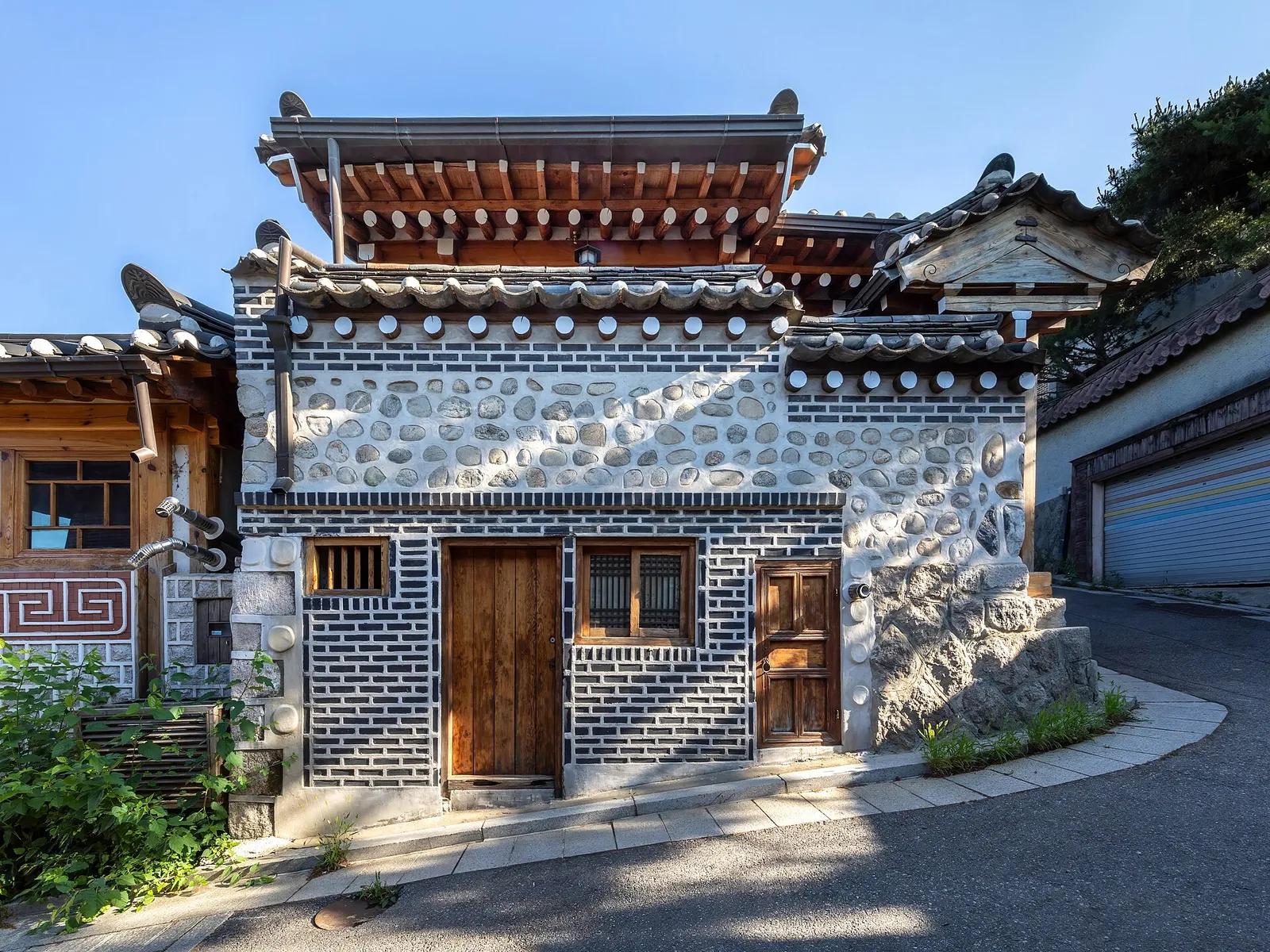
By the Seoul Tourism Organization’s Seoul Stay listing there are 133 hanok stays in Seoul. 33 of them are in Seochon.
| Area | Hanok stays |
|---|---|
| Seochon | 33 |
| Within 500m of Anguk Station | 21 |
| Within 500m of Jongno 3-ga Station | 6 |
| Jung-gu (Euljiro and Myeong-dong) | 0 |
| Seongdong-gu (Seongsu-dong) | 0 |
A quarter of Seoul’s hanok stays are in Seochon.
Why the two figures do not overlap
An important caveat. The 33 hanok stays are not included in the 2 lodging businesses above.
The governing laws are different.
- Yeogwan and hotels are businesses notified under the Public Health Control Act
- Hanok stays are registered under the Tourism Promotion Act as the hanok-stay business, which is not a hotel business but a tourist-use facility business
So the two figures cannot be added together. The Ikseon-dong post made the same point, but in Seochon the gap is at its most extreme. Look only at the general lodging statistics and this is a neighbourhood with almost nowhere to sleep; in practice it is the best place in Seoul to sleep in a hanok.
What a hanok stay actually is
The Ikseon-dong post goes into this in detail; here are the essentials again. What the law requires, and what it does not, is different from what most people assume.
What the law does not require
A private bathroom is not compulsory. The provision goes no further than requiring “convenience facilities such as a bath or shower”, so shared toilets are legal.
Nor is there any rule that you have to sleep on the floor. There is no provision at all about beds, ondol or bedding mats. Some hanok stays do have beds.
What the law does require
- At least one fire extinguisher, and a standalone smoke alarm in every room
- A carbon monoxide alarm as well, if heating is individual
- Total floor area of the sleeping space under 230 square metres
- A manager on duty during business hours
- Posting the tariff and keeping to it
Most hanok in Seochon have individual heating, so in practice a carbon monoxide alarm should be there. Take a look when you check in.
There is no 24-hour front desk. A manager is present only during business hours, so if you are arriving late you need to contact them in advance.
Is Seochon a good place to stay
In its favour:
- It has more hanok stays than anywhere in Seoul. There are 33 to choose from
- Gyeongbokgung Palace is walkable. It is one wall away
- The airport bus stops at Gyeongbokgung Station (see below)
- There are no franchises, so it is quiet. Little late-night bar noise
Against it:
- There are no hotels. If you want a front desk, breakfast and 24-hour check-in, you have to go over towards Gwanghwamun
- Hanok have poor sound insulation. Timber and paper screens
- There are hills. The closer to Inwangsan, the steeper it gets
- Little is open late. Arrive late and there is not much to eat
There is an airport bus
The airport limousine Bus 6011 stops at Gyeongbokgung Station.
- Boarding point - opposite the Seoul Metropolitan Police Agency at exit 1
- First bus 04:31, last bus 20:48
- Adult 17,000 won (about $12.75)
Route 6011 is the only airport route that stops at Gyeongbokgung Station. The same route also stops at Changdeokgung Palace and Anguk Station, so it works for the hanok stays on the Bukchon side too.
The last bus at 20:48 is later than Euljiro’s 19:50 and about the same as Jongno 3-ga’s 20:45.
By rail, take AREX to Seoul Station and change to Line 3 for Gyeongbokgung Station. Two stops from Seoul Station.
Where to book
- You want to sleep in a hanok - Seochon offers more choice than anywhere in Seoul
- You need a hotel - go out towards Gwanghwamun or Anguk. There are none in Seochon
- You want a quiet night - few franchises and few bars, so the nights are quiet
- You have heavy luggage or are arriving late - hanok have no 24-hour front desk, so contact them in advance
What could not be verified
There is no official source for room rates in Seochon. That is why no figures appear here.
Complete data on hanok-stay businesses could not be obtained. The Seoul Stay listing stands in for it, and since that is what the city promotes, it may not be every registered business.
How the two yeogwan operate now could only be checked against the licensing record; their actual current state was not observed.
Wrapping up
- Registered lodging in Seochon is 2 yeogwan with 39 rooms, and no hotels at all.
- Yet 33 of Seoul’s 133 hanok stays are here. It is the densest concentration in the city.
- The two figures cannot be added, because the governing laws differ.
- Neither a private bathroom nor sleeping on the floor is a legal requirement. Some hanok have beds.
- A fire extinguisher and standalone smoke alarms are compulsory, plus a CO alarm where heating is individual.
- The airport bus is route 6011, opposite exit 1 of Gyeongbokgung Station, last bus 20:48.
- If you need a hotel, go to Gwanghwamun.
More in this series: the Seochon overview, things to do in Seochon, Seochon food and where to stay in Ikseon-dong