 Now, Yeogi
Things to Do in Ikseon-dong: 62 of the 75 Hanok Are Shops (2026)
What there is to see in Ikseon-dong, set out from official sources: fire-service figures showing 62 of the 75 hanok are shops with only 13 dwellings left, the gentrification the city admits in its own magazine, the pork-skirt alley that began with jewellery craftsmen, and Nakwon Arcade and Donhwamun Gate within walking distance.
Places in this post
- Address
- Around 166 Ikseon-dong, Jongno-gu, Seoul
- Menu
- Admission Free
- Tip
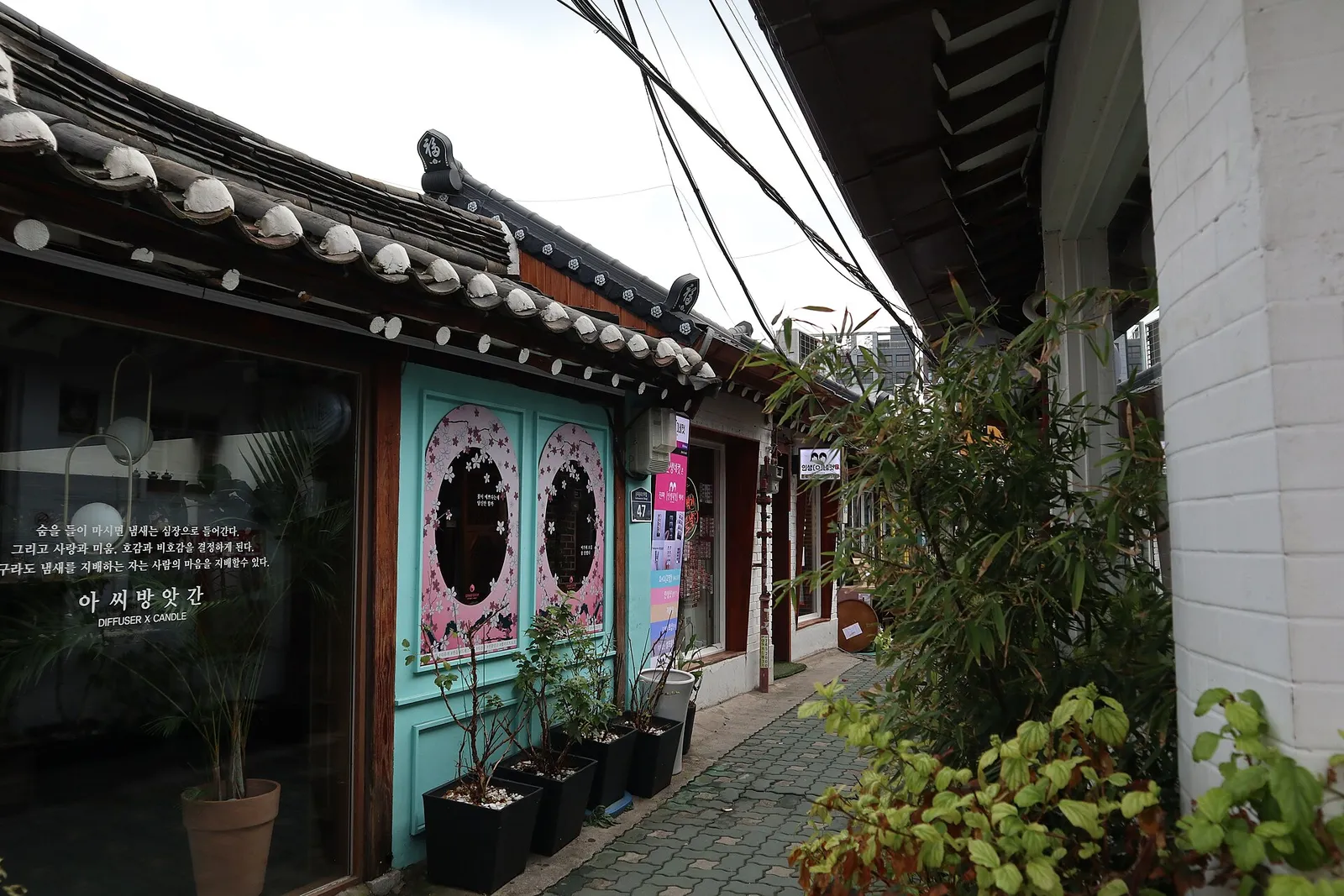
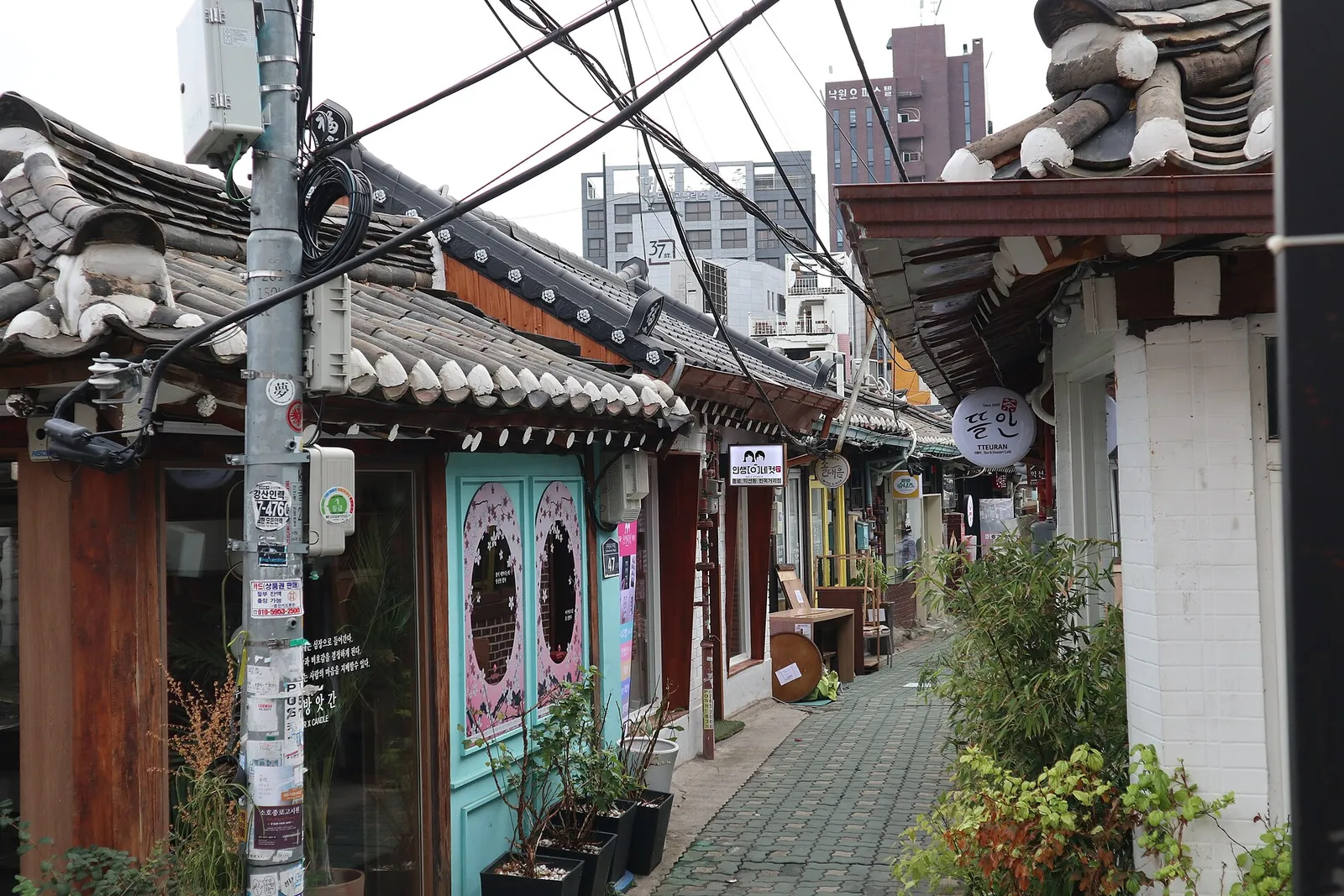
- By the fire service's figures, 62 of the 75 hanok are shops and 13 are dwellings. The year of construction is recorded as 1920.
- Address
- 428 Samil-daero, Jongno-gu, Seoul
- Menu
- Official status Seoul Future Heritage 2013-044
- Tip
- 114m from exit 5 of Jongno 3-ga Station. The Hollywood Theater (the Silver Cinema) on the fourth floor is Seoul Future Heritage 2013-285.
Ikseon-dong is small. Thirty minutes is enough to walk every alley.
So this post is not a list of sights. It sets out what state the neighbourhood is in and what is within walking distance.
Ikseon-dong in a single figure
Ikseon-dong appears in the Seoul Fire and Disaster Headquarters’ list of fire-prevention enhancement districts, designated on 21 August 2018.
The figures recorded there describe this neighbourhood more precisely than anything else.
District name: Ikseon-dong Hanok Village (around 166 Ikseon-dong, Jongno-gu) Building structure: timber-framed tiled hanok and others / total floor area 8,544.57 square metres Buildings 75 (shops 62) / dwellings 13 Year of construction 1920 / designated 21 Aug 2018
Of the 75 hanok, 62 are shops, and only 13 are homes people live in.
The Seoul Hanok Portal puts it this way.
Ikseon-dong today is a commercial district packed with some 330 (as of 2018) restaurants, service businesses and wholesale and retail shops
The official statistics show a neighbourhood that has crossed over from residential to commercial. And it is because of those remaining 13 households that Jongno-gu asks visitors to keep quiet.
Gentrification the city admits
Seoul Love, the monthly magazine the city publishes, wrote about the neighbourhood as follows. It is frank for a government publication.
From 2004, when the Ikseon-dong area was designated a redevelopment zone, time simply stopped. … For years many hanok were left more or less abandoned, run down to a degree that made you wonder whether this was really the middle of Seoul. And then that stillness produced a reversal. Young people moved in.
But a strong light casts a deep shadow. Rents climbed steeply and the shops that had built the place up began to leave, the ache of gentrification … Ikseon-dong rose too fast, and so grew tired faster still.
The same article carries testimony from a trader.
The trend-sensitive younger crowd left Ikseon-dong for Seongsu-dong. These days far more of the visitors are foreign tourists.
On the other hand, so many souvenir shops and game arcades aimed at tourists have opened that Ikseon-dong’s identity is blurring
It survived because redevelopment stopped, it became popular because it survived, and rents rose because it became popular. Knowing that order changes how the alleys look.
Note: the article above gives 2014 as the year the zone was lifted, but the official notice lifting it is dated 10 May 2018. 2014 is the year approval of the redevelopment association’s preparatory committee was cancelled. There is more on this in the overview post.
The pork-skirt alley
It is the alley right next to Ikseon-dong, and its origin is unusual. This is a trader’s account in Seoul Love.
The pork-skirt alley began with jewellery craftsmen grilling meat to clear the dust out of their throats.
Galmaegisal is the pork skirt, or diaphragm. Despite the name, which contains the Korean word for seagull, it has nothing to do with seagulls.
The background is that jewellery craftwork was concentrated in this area. There are still jewellery workshops and a support centre on Seosulla-gil.
The main customers now are younger people who come for the outdoor-grill culture, and since October 2025 the alley has been run as part of Jongno-gu’s sangsaeng (“mutual prosperity”) street scheme. There is more on that in the Jongno 3-ga pocha street post.
Within walking distance
Ikseon-dong on its own is thirty minutes, so it is worth combining with what is nearby.
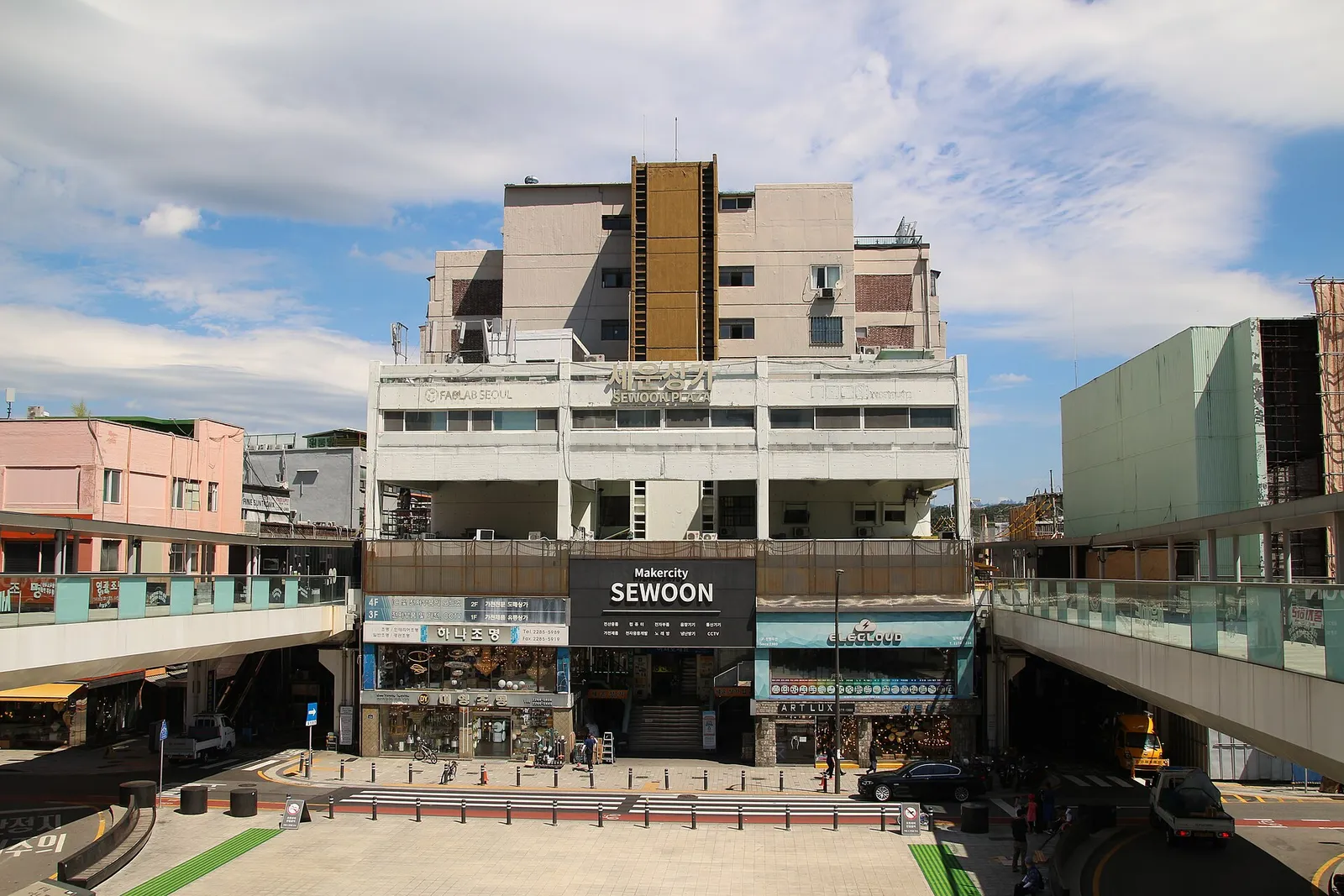
Nakwon Arcade - 114m from exit 5 of Jongno 3-ga Station. It is Seoul Future Heritage 2013-044. Known for its musical instrument shops, and unusual in that its ground level carries a road straight through underneath.
On the fourth floor is the Hollywood Theater, the Silver Cinema. That is Seoul Future Heritage 2013-285 in its own right. One thing to note: Seoul Art Cinema is not here. It has moved to Jeong-dong in Jung-gu. Older articles often still place it in Nakwon Arcade, hence the correction.
Donhwamun Gate at Changdeokgung Palace - a gate designated a Treasure is within walking distance. It was designated on 21 January 1963. It is the main gate of Changdeokgung.
Seosulla-gil - the road that follows the wall of Jongmyo Shrine, lined with jewellery workshops.
Jongmyo Shrine - 220m from exit 8 of Jongno 3-ga Station.
Jongno-gu’s official alley walking course runs in this order.
Ikseon-dong Hanok Village · Urisori Library · the Jewellery Support Centre · Donhwamun Gugakdang traditional music hall · the senior-friendly street · Seosulla-gil
It is called “the road that links the generations” and is a two-hour course.
If you want to go inside a hanok
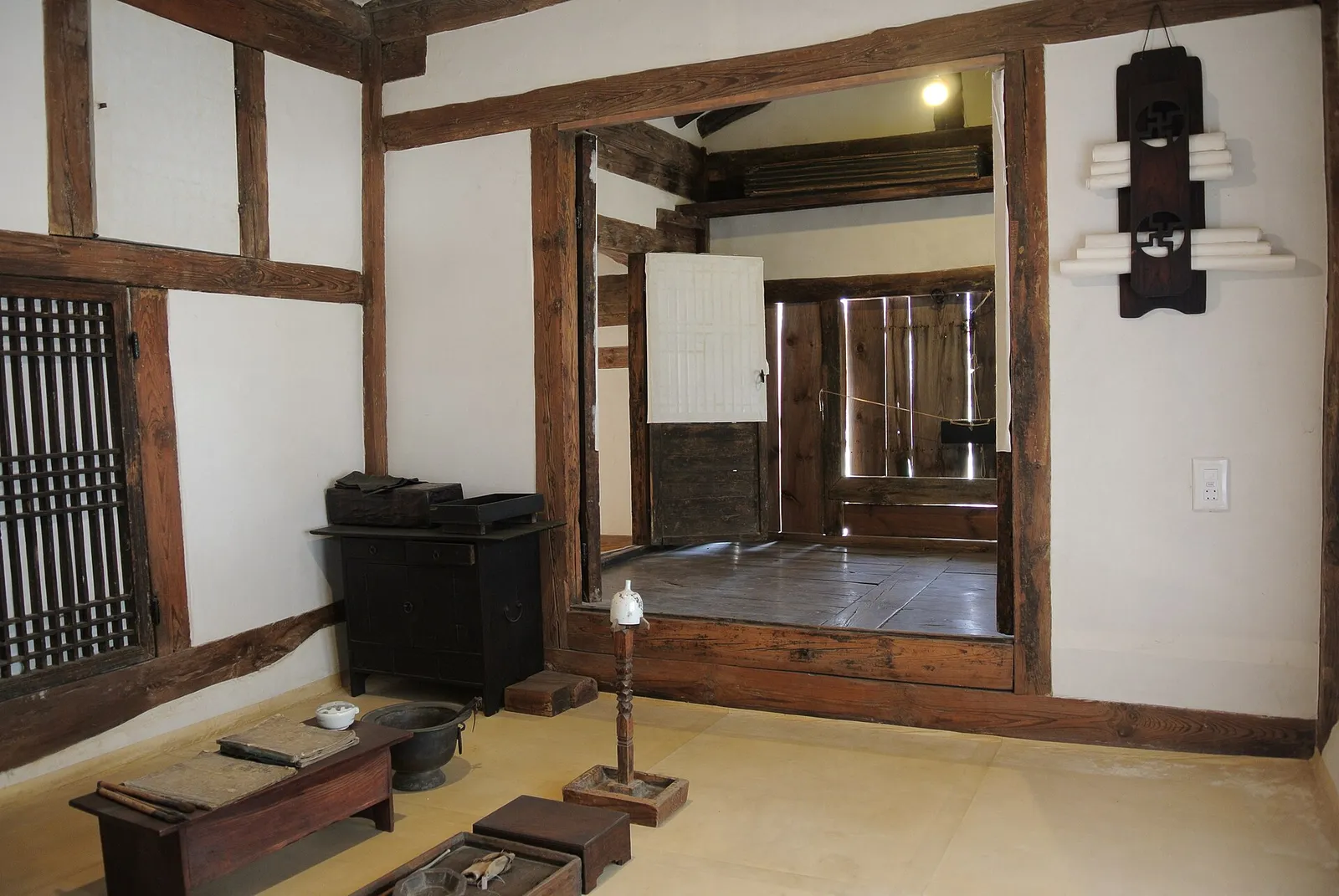
Most of the hanok in Ikseon-dong are shops, so you will be looking from the outside. There are two ways to get inside.
One, go into a cafe or a restaurant. They have been heavily converted, but the structure and the courtyard are still there.
Two, sleep in one. Hanok accommodation is concentrated in Jongno-gu. There is more in the accommodation post.
Bear in mind that the hanok here are urban hanok, which are not aristocratic houses. They were collective housing for ordinary people, several units built tight together on a small plot. The courtyards are small and the ceilings are low. Set your expectations that way.
Which exit to take
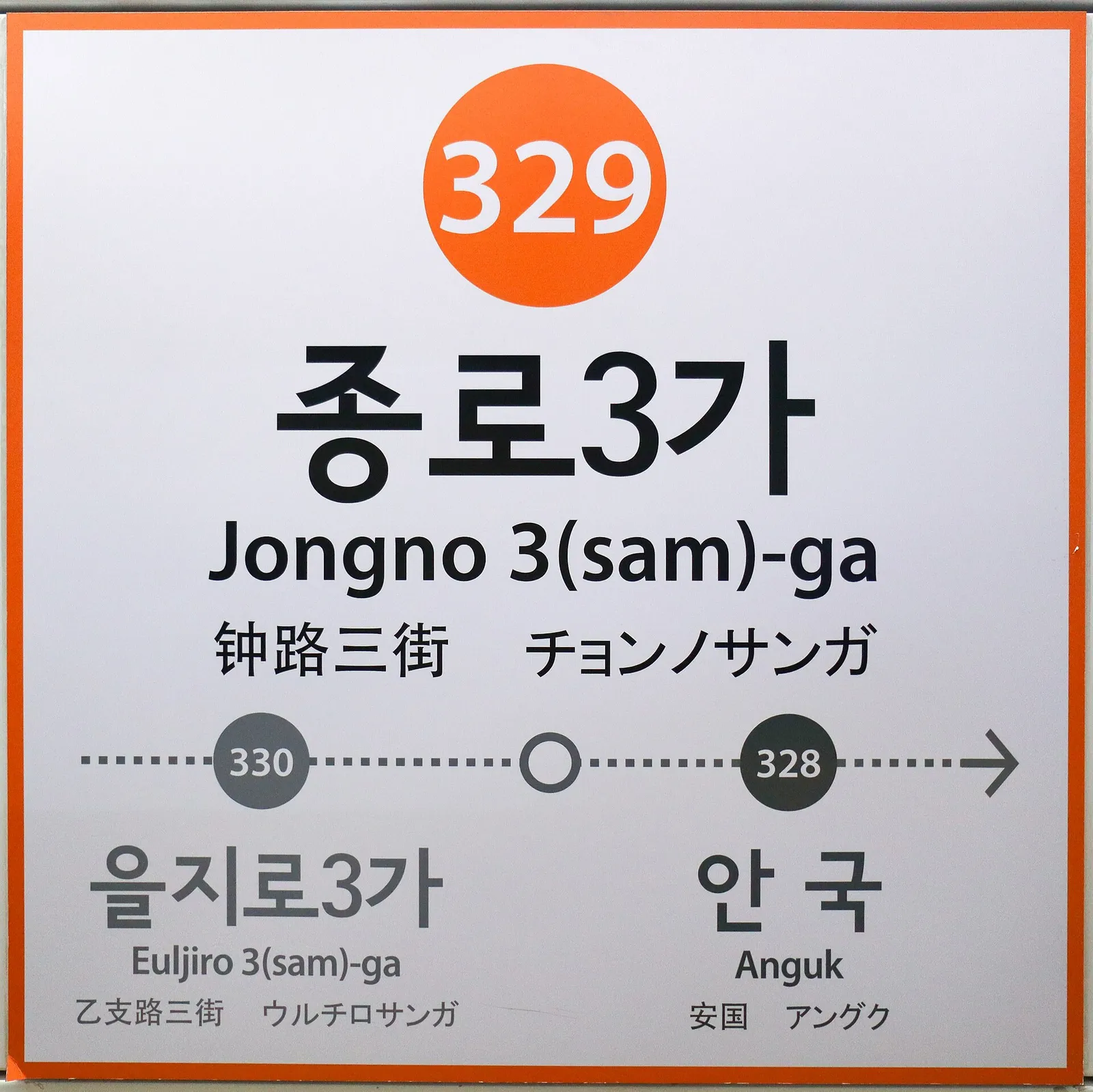
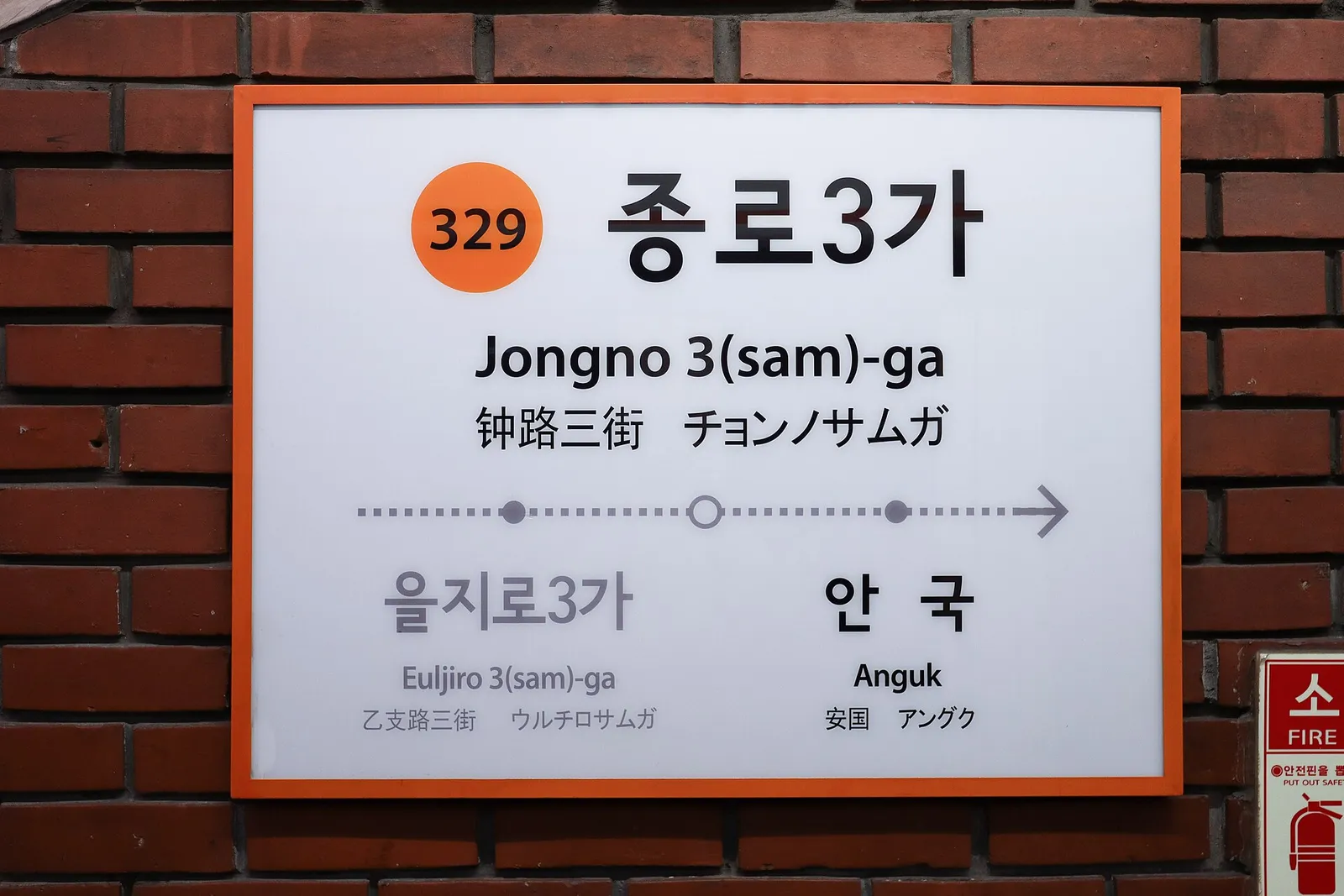
Jongno 3-ga Station is an interchange where three lines meet: Line 1 Line 3 Line 5
| Destination | Exit |
|---|---|
| The Ikseon-dong hanok street | exit 4, 141m |
| Nakwon Arcade | exit 5, 114m |
| The Nakwon-dong braised monkfish street | exit 5, 167m |
| Jongmyo Shrine | exit 8, 220m |
| The golbaengi alley | exit 12 |
What could not be verified
Sources disagree on how many hanok are left in Ikseon-dong. The Seoul Hanok Portal says 118, Seoul Love says about 100. Even within the city government the figure is not consistent.
The official area of Ikseon-dong as a legal neighbourhood could not be obtained. That is why no phrase like “the smallest neighbourhood in Seoul” appears here. What is confirmed is only the 31,121.5 square metres of the district unit plan area and the 7,565.9 square metres of the hanok preservation zone.
The Seoul Museum of History has no survey of Ikseon-dong. Its Jongno-gu surveys cover Donuimun, Bukchon, Seochon, Sewoon Sangga, Changsin-dong and others, with Ikseon-dong left out. The Bukchon report must not be used as a source on Ikseon-dong.
No gentrification policy document specific to Ikseon-dong could be found. The gentrification itself is described in the city’s own media, but no Ikseon-dong-specific mutual-prosperity policy could be confirmed.
Wrapping up
- Of the 75 hanok, 62 are shops and 13 are dwellings. This neighbourhood has crossed over to commercial.
- The city admits the gentrification in its own magazine.
- The pork-skirt alley began with jewellery craftsmen.
- Nakwon Arcade is Seoul Future Heritage 2013-044, 114m from exit 5.
- Donhwamun Gate at Changdeokgung is a Treasure, and it is within walking distance.
- Ikseon-dong alone is thirty minutes. Combine it with the Jongno 3-ga area.
- The hanok here are urban hanok, not aristocratic houses.
More in this series: the Ikseon-dong overview, Ikseon-dong food and where to stay in Ikseon-dong