 Now, Yeogi
National Museum of Korea in Yongsan: How to Get There, 2026 Hours, Free Entry and Visiting Tips
A practical guide to the National Museum of Korea in Yongsan, Seoul: Ichon Station Exit 2 directions, 2026 opening hours and closed days, free admission, English tours, lockers, must-see galleries and nearby spots.
Places in this post
- Address
- 137 Seobinggo-ro, Yongsan-gu, Seoul
- Hours
- Mon, Tue, Thu, Fri, Sun 09:30–17:30 (last entry 17:00); Wed, Sat 09:30–21:00 (last entry 20:30). Closed Jan 1, Lunar New Year, Chuseok and one Monday in Mar/Jun/Sep/Dec.
- Menu
- Permanent exhibition Free, no ticket needed · Special exhibitions Paid, varies by show · Audio guide rental ₩1,000 (ID or deposit required) · Children's Museum Free, timed reservation
- Tip
- Come on a Wednesday or Saturday evening: the galleries are quieter and the museum stays open until 21:00.
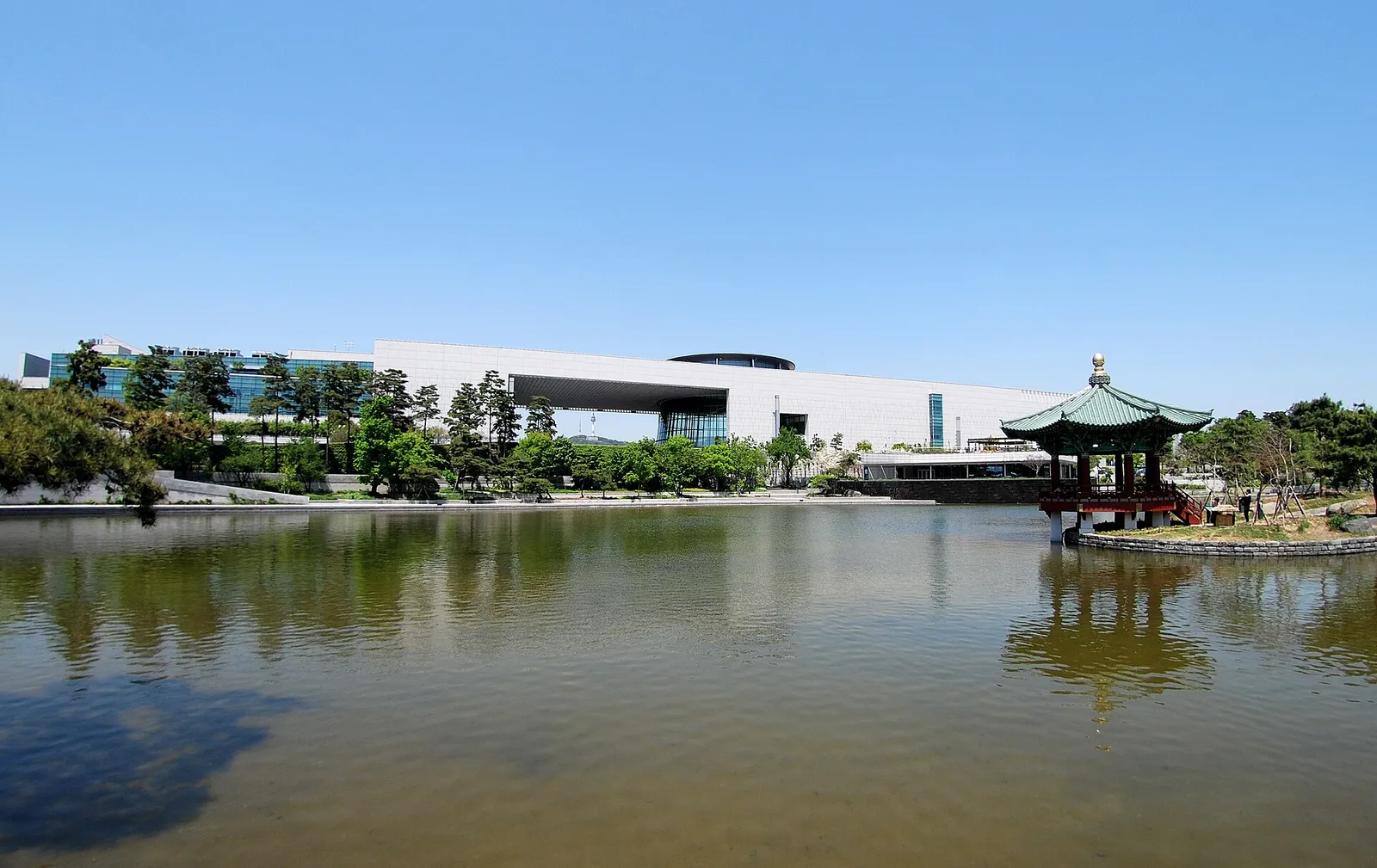
The National Museum of Korea is the country’s largest museum and one of the most visited museums in the world, and the permanent collection is free. It sits in Yongsan, between Itaewon and the Han River, with a subway station wired directly into the building. If you have one museum day in Seoul, this is the one. Hours, directions and fees below are as of September 2026.
How to get there
Subway (easiest)
Take Line 4 or Gyeongui-Jungang Line to Ichon Station and leave through Exit 2. The exit feeds straight into the “Museum Underpass” (박물관 나들길), a covered walkway with moving sidewalks that brings you to the museum’s main plaza in about five minutes. You never step outside, which makes this the best rainy-day plan in the city.
From the neighborhoods most visitors stay in:
- Myeongdong: Line 4 from Myeongdong Station, about 10 minutes, no transfer.
- Seoul Station: Line 4, two stops, about 6 minutes.
- Hongdae: Gyeongui-Jungang Line from Hongik Univ. Station, about 15 minutes, no transfer.
- Gangnam: Line 2 to Sadang, then Line 4, roughly 30–35 minutes.
Ichon Station is inside Seoul, so a Climate Card short-term pass covers the ride. If you have not bought one yet, see our Incheon Airport to Seoul guide.
Bus
City Bus 400 and Bus 502 stop at “National Museum of Korea · Yongsan Family Park” (국립중앙박물관·용산가족공원). Both pass Seobinggo Station on the way. The bus is handy from the Itaewon and Hannam side.
Car and taxi
There is a paid parking lot, but rates were raised in 2025 and again in 2026 as visitor numbers grew, and the lot fills on weekends. The museum itself recommends public transport. A taxi from Myeongdong or Itaewon is a 10–15 minute ride; ask for “Gungnip Jungang Bangmulgwan”.
Opening hours and closed days (2026)
Hours changed on March 16, 2026, so older guides showing a 10:00 opening are out of date. According to the official site:
| Day | Hours | Last entry |
|---|---|---|
| Mon, Tue, Thu, Fri, Sun | 09:30–17:30 | 17:00 |
| Wed, Sat | 09:30–21:00 | 20:30 |
| Outdoor grounds | 07:00–22:00 | – |
Closed in 2026: January 1, Lunar New Year (February 17), Chuseok (September 25), plus maintenance Mondays on June 1, September 7 and December 7. The outdoor grounds stay open on those days. Some guides mention earlier summer opening in late July and August; check the official page for the exact dates if you visit then.
Tickets
- Permanent exhibition: free. No ticket, no reservation. Walk in.
- Special exhibitions: paid, with prices set per show. Tickets are sold on site and online.
- Children’s Museum: free but runs in timed sessions of about 80 minutes, five a day from 10:00. Book up to 14 days ahead on the museum website; walk-ins get in only if a slot has space.
Tours and audio guides
Per the Beyond Seoul guide, free English-language tours run daily at 10:30 and 13:00, meeting at the Korean Empire section on the first floor, with no booking required. An audio guide rents for ₩1,000 with a photo ID or deposit, and the museum also has a free exhibition-guide app if you prefer your own phone.
What to see if you have two hours
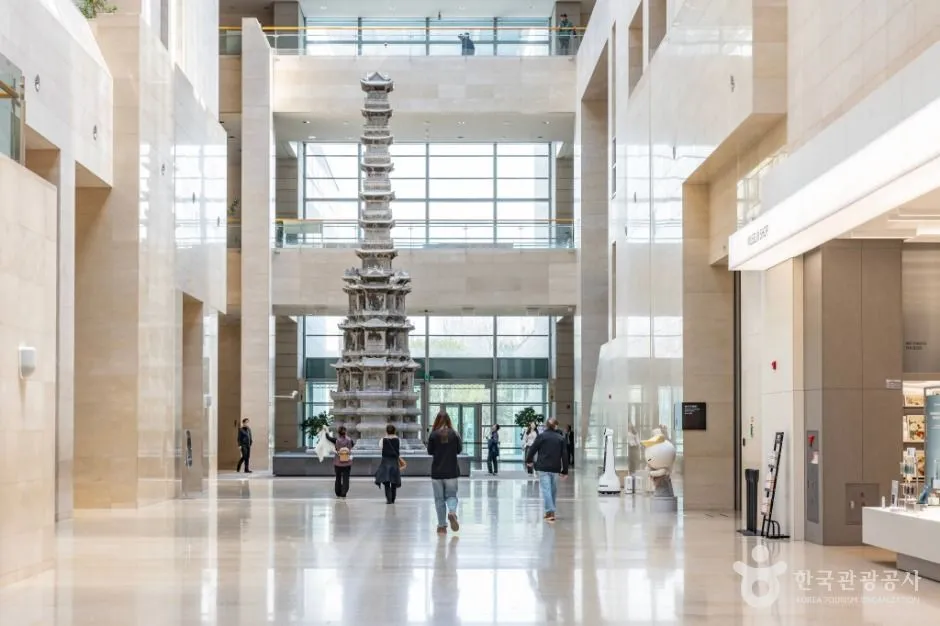
The building is long, so plan a route rather than wandering. The museum’s own recommended loop takes about an hour; this version adds the rooms most visitors rate highest.
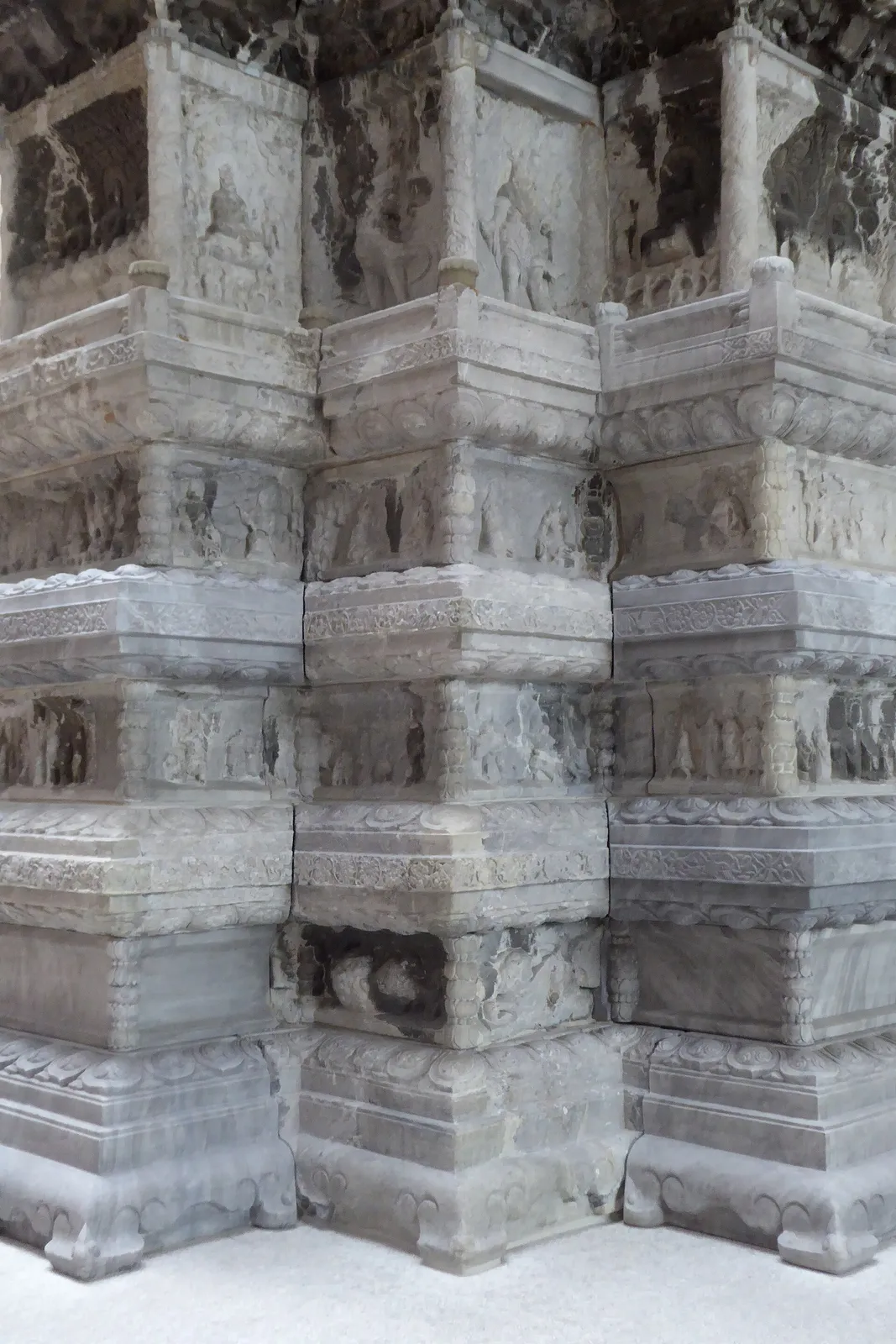
- 1F, Path of History: walk the long central hall to the Ten-Story Stone Pagoda from Gyeongcheonsa Temple (National Treasure 86), the museum’s landmark.
- 1F, Silla gallery: the gold crowns and belts from the Silla kingdom.
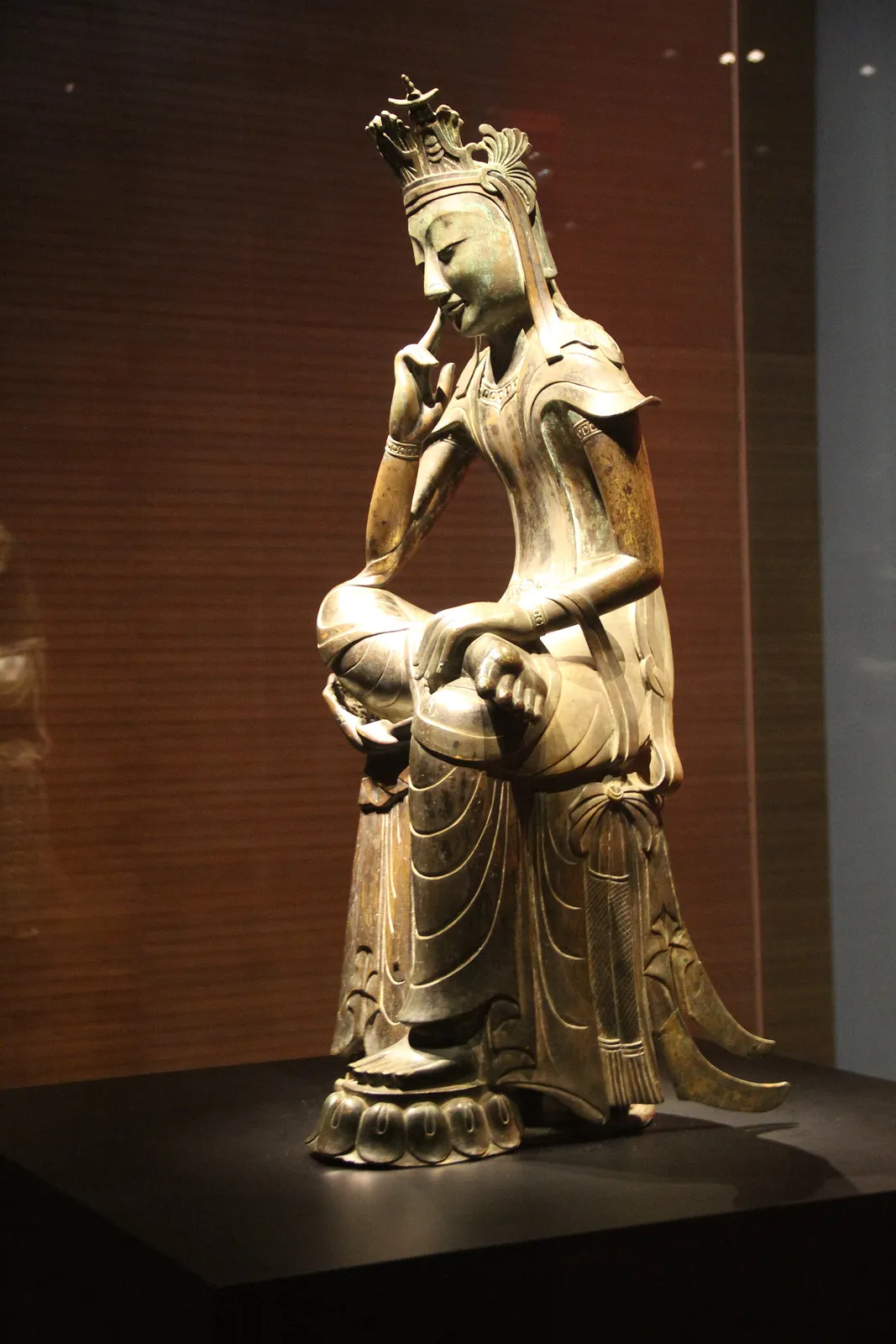
- 2F, Room of Quiet Contemplation (사유의 방): two gilt-bronze Pensive Bodhisattva statues (National Treasures 78 and 83) in a dark, silent room. Many visitors call this the highlight; give it ten unhurried minutes.
- 2F, Buddhist Paintings hall: giant hanging scrolls viewed from bean-bag seats.
- 3F, Celadon gallery: Goryeo celadon, including the openwork incense burner with a seven-jewel pattern.
- 3F, Buddhist Sculpture hall: the stone Buddhas from Gamsansa Temple.
- On the way out, the Digital Immersive Theater rooms on 1F and 2F for a break with a seat.
Practical tips
- Bags: backpacks must go in the lockers on the first floor to protect the exhibits. Bring a coin or card for the locker.
- Food: there is a café on the mezzanine (1.5F) and a tea house next to the contemplation space on 3F, plus a food court on the grounds. Eating inside galleries is not allowed.
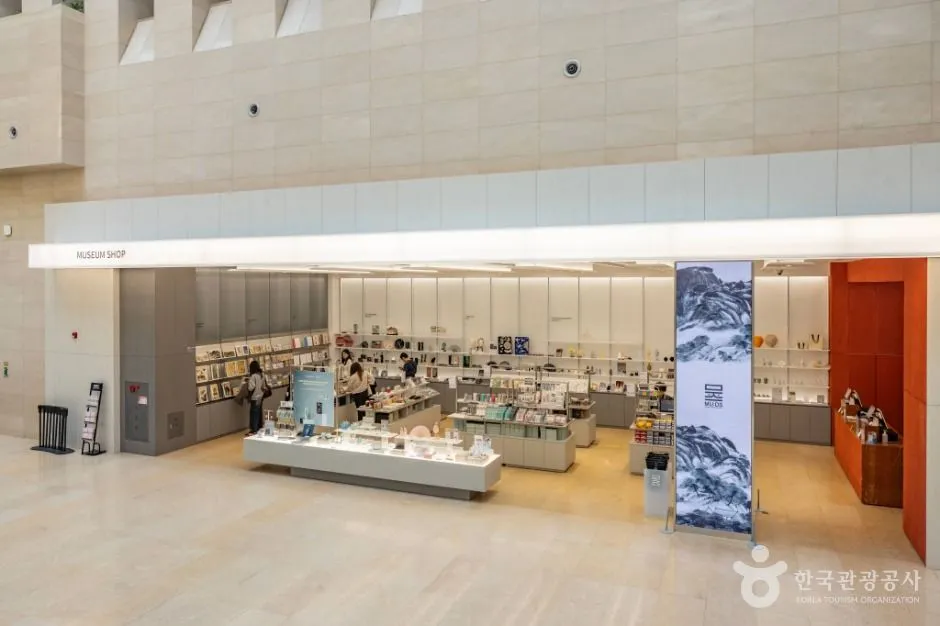
- Museum shop: the “MU:DS” shop near the entrance sells well-designed souvenirs, a good stop for gifts.
- Evening visits: Wednesday and Saturday nights are the quietest time to see the Pensive Bodhisattvas, and the reflecting pond in front of the museum frames N Seoul Tower after dark.
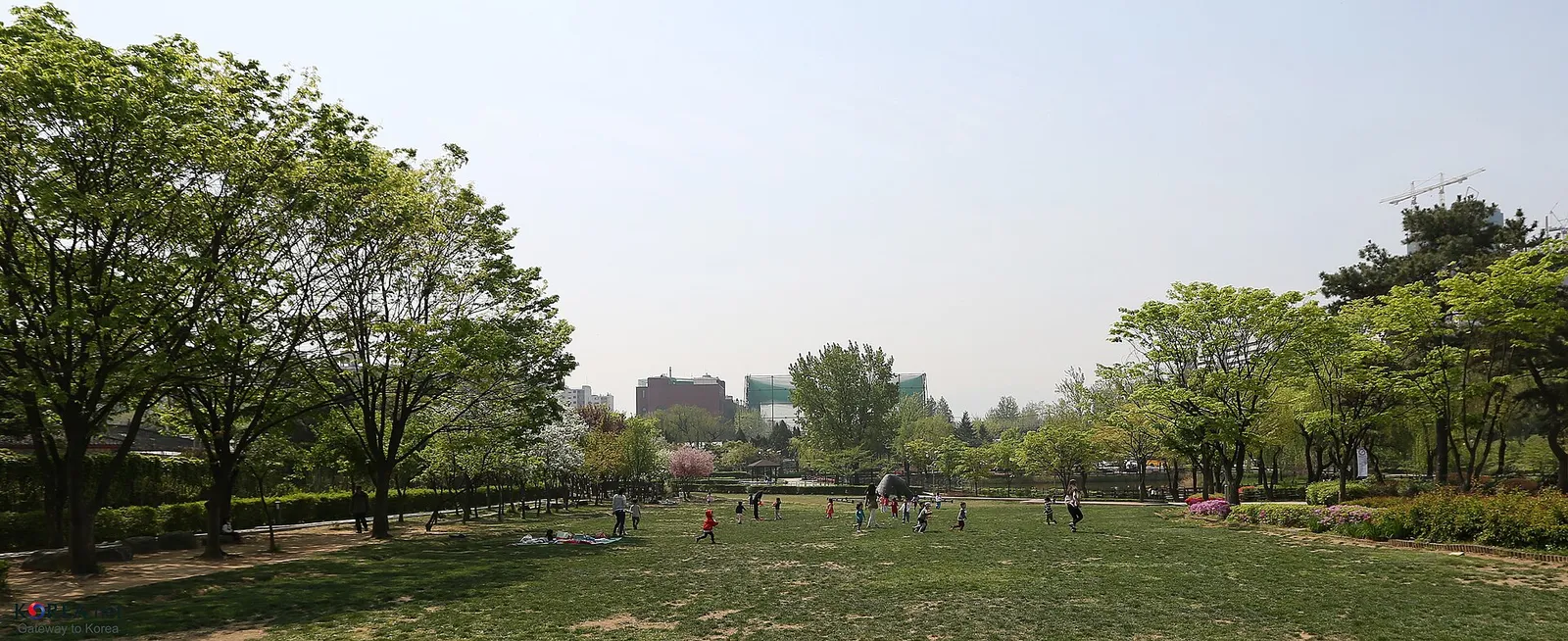
- Next door: the National Hangeul Museum (free) shares the grounds, and Yongsan Family Park is a five-minute walk for a lawn break.
- Time needed: two hours for the highlights, half a day if you add a special exhibition and the Hangeul Museum.
Wrapping up
Free entry, a subway exit that leads straight to the door, late openings twice a week and one of the most striking rooms in any museum in Asia: the National Museum of Korea is an easy yes for any Seoul itinerary. Pair it with Itaewon for dinner or with a walk along the Han River at Ichon, both a short hop away.