 Now, Yeogi
Palaces and Sights in Jongno: Gyeongbokgung, Changdeokgung, Bukchon and Jongmyo (2026)
What to see in Jongno, Seoul: 2026 palace hours and ticket prices, how the Changdeokgung Secret Garden booking works, the Bukchon visiting-hour rule, hanbok free entry and a two-day route.
Places in this post
- Address
- 161 Sajik-ro, Jongno-gu, Seoul
- Hours
- Jan–Feb & Nov–Dec 09:00–17:00 (last entry 16:00); Mar–May & Sep–Oct 09:00–18:00 (last entry 17:00); Jun–Aug 09:00–18:30 (last entry 17:30). Closed Tuesdays.
- Menu
- Adult admission ₩3,000 (about $2.25) · Combined palace ticket ₩6,000, valid 6 months · Visitors in hanbok Free
- Tip
- Arrive at opening. The first hour is the only quiet one, and the changing of the guard runs at the main gate through the day.
- Address
- 99 Yulgok-ro, Jongno-gu, Seoul
- Hours
- Closed Tuesdays. Secret Garden by timed guided tour only.
- Menu
- Palace, adult ₩3,000 · Secret Garden, adult ₩5,000 extra · Secret Garden, youth 7–18 ₩2,500
- Tip
- The Secret Garden cannot be visited freely. Book a timed slot online in advance, or queue on the day for the limited on-site tickets.
- Address
- 157 Jong-ro, Jongno-gu, Seoul
- Hours
- Feb–May & Sep–Oct 09:00–18:00 (last entry 17:00); Jun–Aug 09:00–18:30 (last entry 17:30); Nov–Jan 09:00–17:30 (last entry 16:30). Closed Tuesdays.
- Menu
- Adult admission ₩1,000
- Tip
- Most days are guided-tour only, with free walking on Saturdays and designated days. Check before you go.
- Address
- Bukchon-ro area, Jongno-gu, Seoul
- Hours
- The Bukchon-ro 11-gil special zone is open to tourists 10:00–17:00 only
- Tip
- A ₩100,000 fine applies for sightseeing in the zone outside those hours. People live here: keep quiet and do not photograph into homes.
Four of Seoul’s five royal palaces, a UNESCO shrine and the best-preserved hanok neighborhood in the country are all within a twenty-minute walk of each other in Jongno. Prices and hours below are as of September 2026, from the Korea Heritage Service.
Tickets: buy the combined pass
| Site | Adult |
|---|---|
| Gyeongbokgung | ₩3,000 |
| Changdeokgung (palace) | ₩3,000 |
| Changdeokgung Secret Garden | ₩5,000 extra |
| Changgyeonggung | ₩1,000 |
| Deoksugung | ₩1,000 |
| Jongmyo Shrine | ₩1,000 |
| Combined ticket | ₩6,000, valid 6 months |
The combined ticket covers four palaces plus Jongmyo but not the Secret Garden. It pays for itself at three sites.
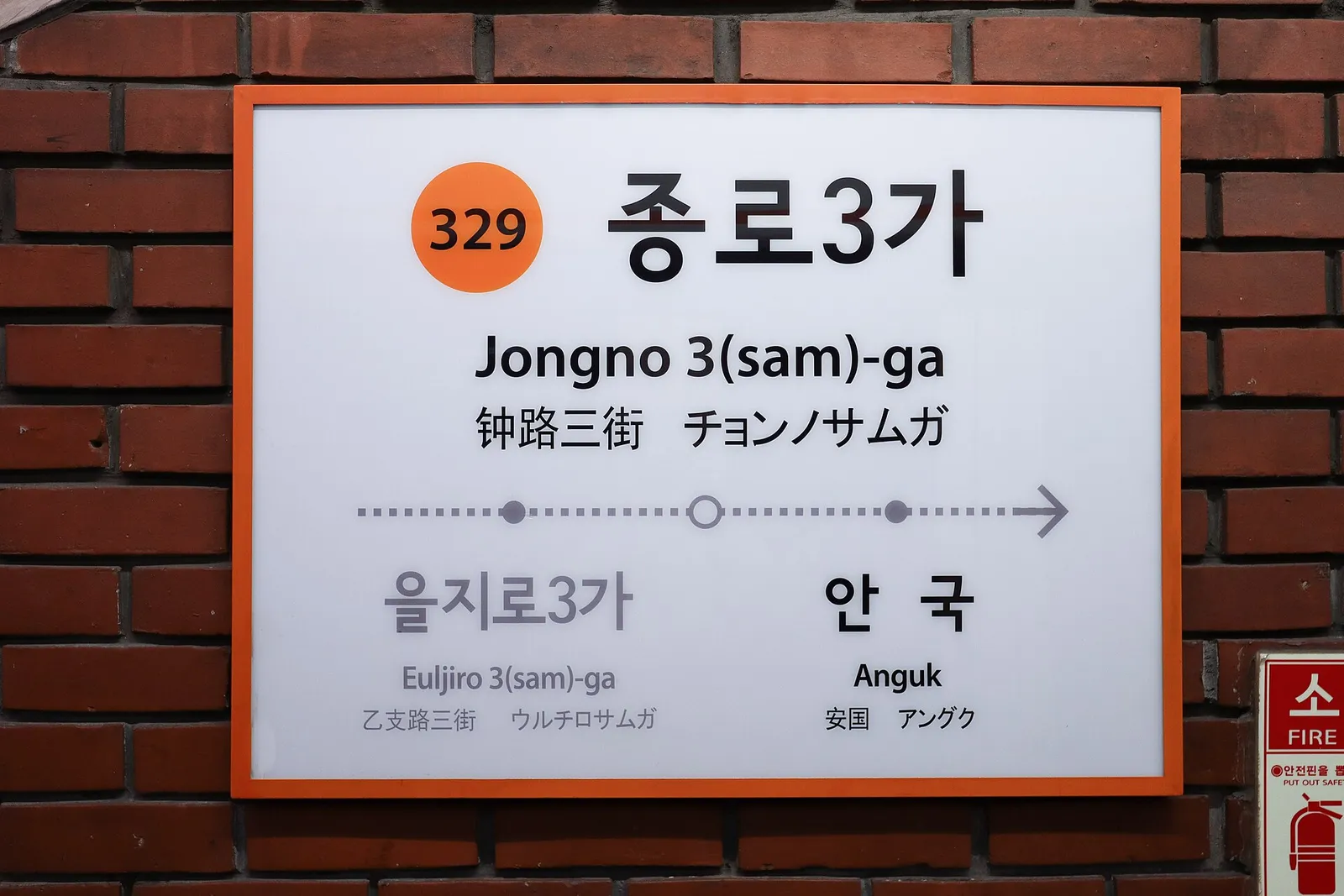
Anyone wearing hanbok enters the palaces free, foreign visitors included. To qualify the outfit needs a proper wrap-front jeogori top and a skirt or trousers. Rental shops cluster around Gyeongbokgung and Anguk Station at roughly ₩15,000–30,000 for four hours, so two palaces in hanbok costs about the same as paying admission — and it is the reason half the visitors in the photos are dressed for 1450.
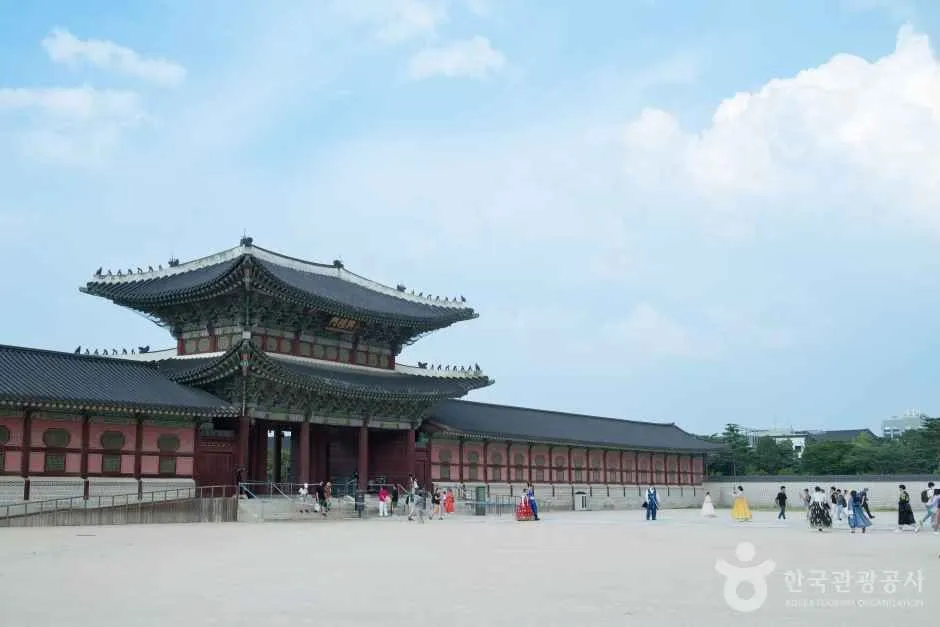
Gyeongbokgung
The largest and most impressive of the palaces, rebuilt on the site of the 1395 original, with Bugaksan mountain behind it.
Hours change by season: 09:00–17:00 in January, February, November and December; 09:00–18:00 in March–May and September–October; 09:00–18:30 in June–August. Last entry is an hour before closing. Closed Tuesdays.
Inside the grounds are the National Palace Museum and the National Folk Museum, both free and both good rainy-day options. The changing of the guard ceremony runs at Gwanghwamun gate several times a day and costs nothing to watch.
Go at 09:00. The first hour is genuinely quiet; by 11:00 it is not.
Changdeokgung and the Secret Garden
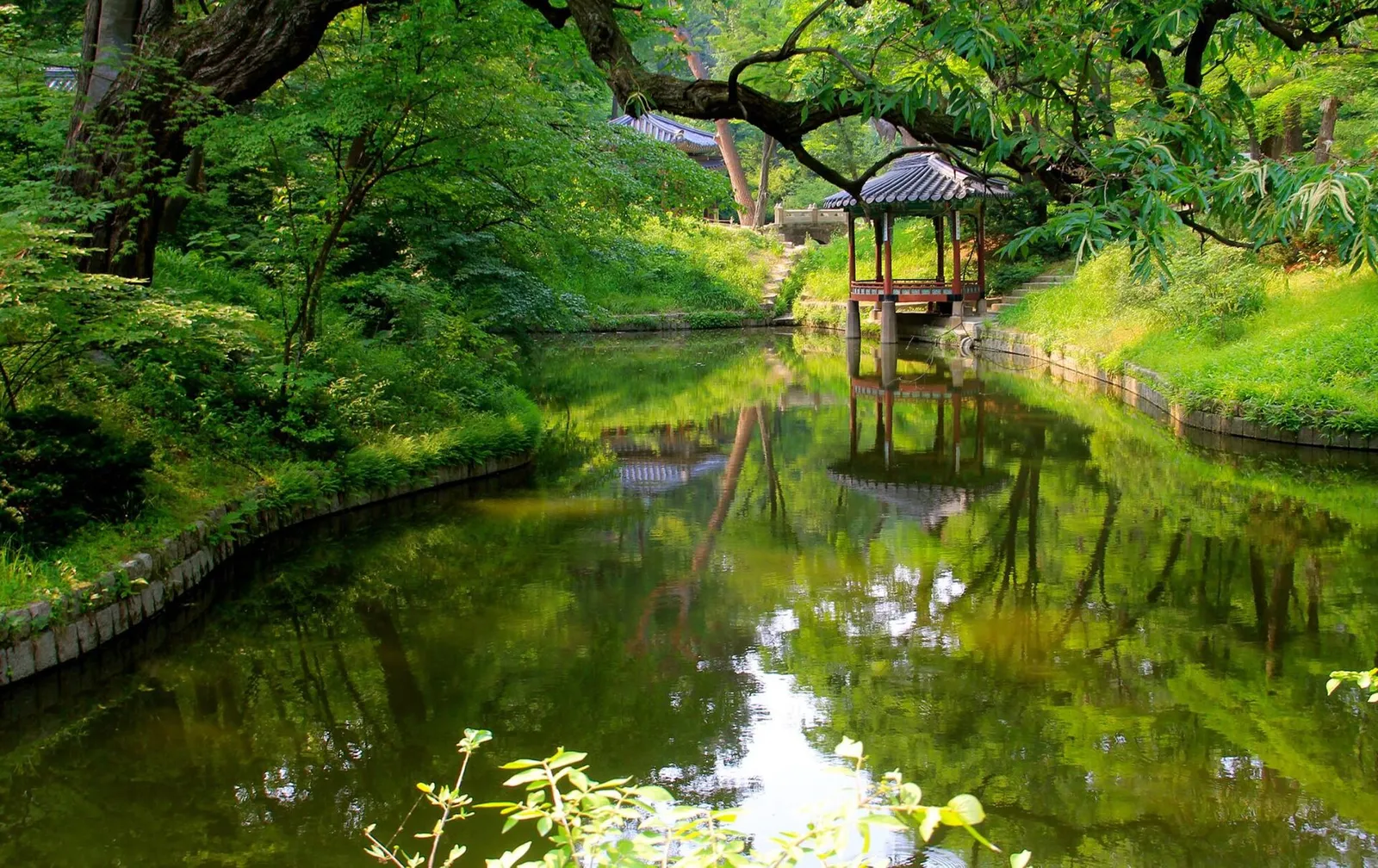
Changdeokgung is the palace Koreans tend to prefer: smaller, built to follow the shape of the hill rather than flatten it, and a UNESCO World Heritage Site.
Its Huwon, the Secret Garden, is the highlight, and it is not open for free wandering. Entry is by timed guided tour only, with a separate ₩5,000 ticket on top of the ₩3,000 palace entry. Slots sell out, especially in autumn.
Book online in advance through the Korea Heritage Service site. A limited number of same-day tickets are sold on site, first come first served, and they go early. The tour takes about 90 minutes and runs in Korean, English, Chinese and Japanese at different times.
Jongmyo Shrine
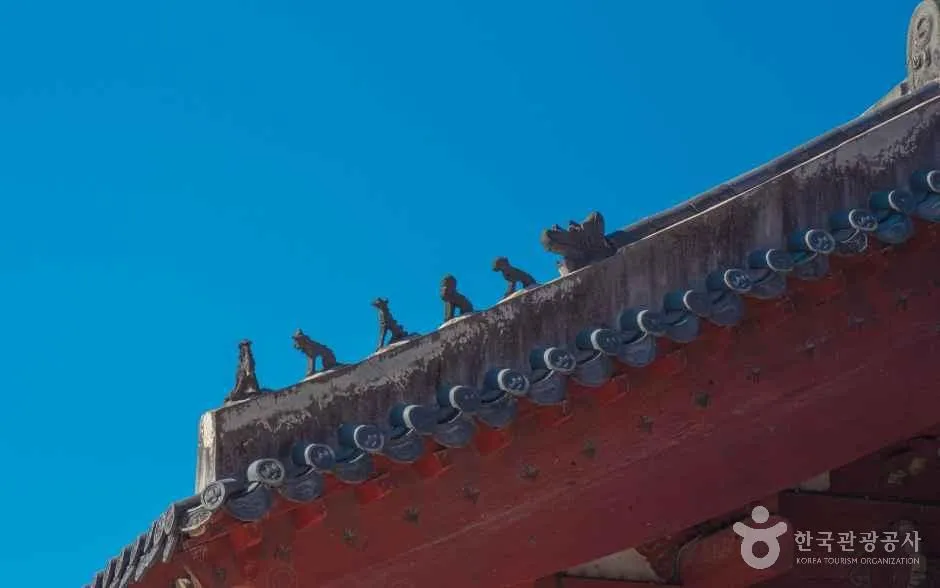
The royal ancestral shrine, UNESCO-listed, and the quietest major site in the city. The main hall is a single unadorned building over a hundred metres long, and the effect is closer to a cathedral than a palace.
₩1,000, closed Tuesdays. Most days admission is by guided tour at set times rather than free walking; certain days, usually Saturdays, allow self-guided visits. Check the official site the week you go.
Bukchon Hanok Village
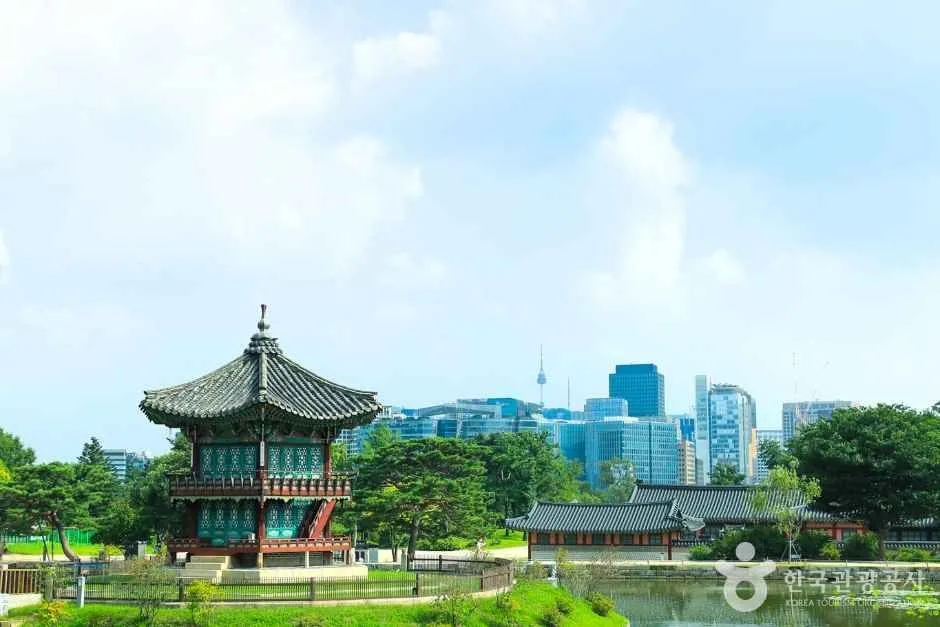
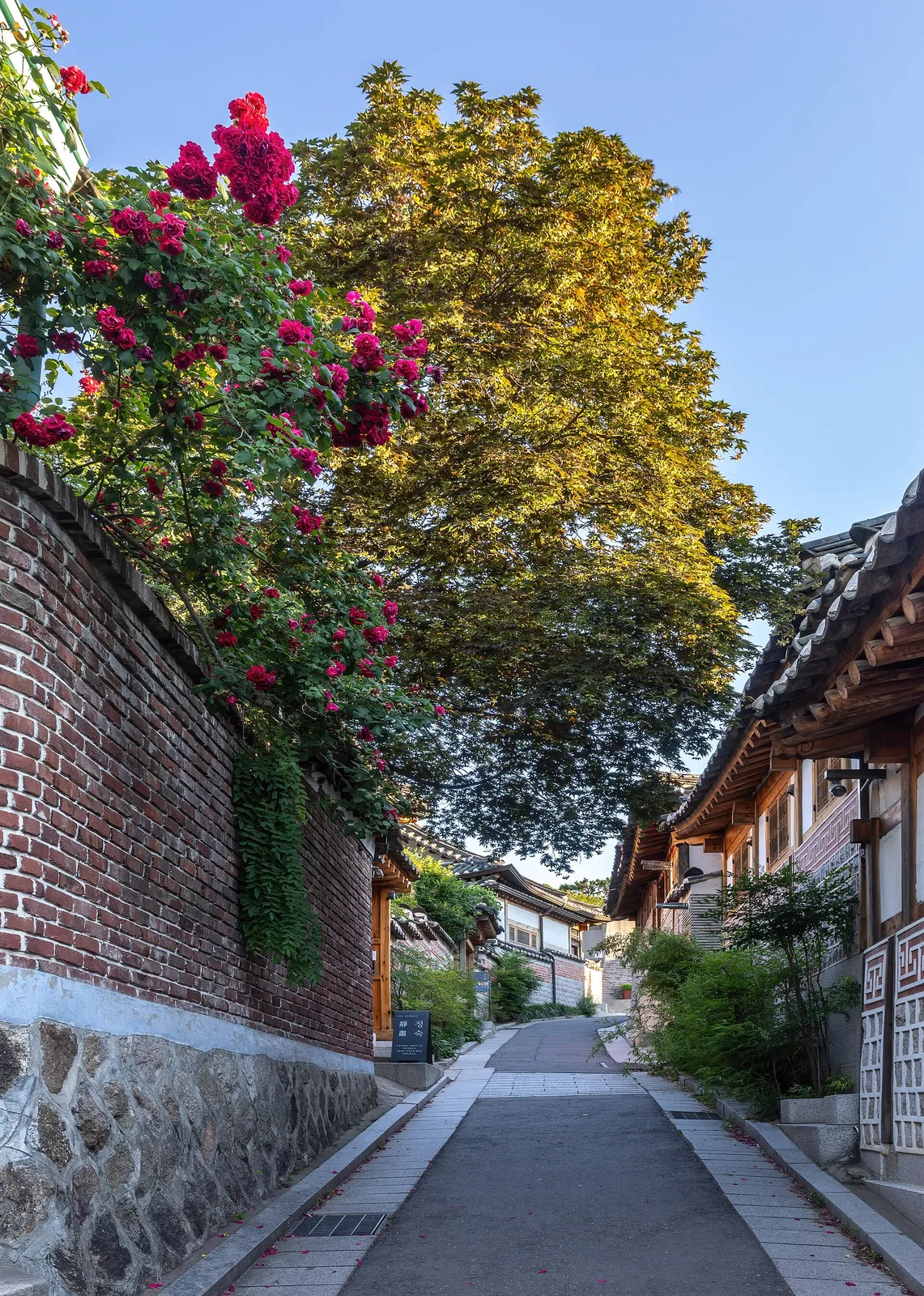
Several hundred traditional hanok houses on the hill between Gyeongbokgung and Changdeokgung, most of them lived in.
The rule you must know: since 1 March 2025, the special management zone around Bukchon-ro 11-gil admits tourists only between 10:00 and 17:00, with a ₩100,000 fine outside those hours. It applies even to guests of accommodation in the zone if they are sightseeing. Charter buses are banned on the surrounding roads from January 2026.
Beyond the rule, ordinary courtesy: speak quietly, do not enter gateways, do not photograph through windows, and do not sit on doorsteps. Residents have complained for years and the restrictions are the result.
The Bukchon Culture Center and the viewpoint on Bukchon-ro 11-gil are the two things most people come for. Samcheong-dong, just west, has the same architecture with no restrictions and better cafés.
Insadong
One pedestrian street plus a web of alleys, selling ceramics, calligraphy brushes, tea, paper and a lot of souvenirs. Ssamziegil is a spiral shopping building worth ten minutes. Traditional tea houses down the side alleys serve omija and citron tea in ceramic cups.
It is touristy and prices reflect that, but the craft shops at the northern end are real and the galleries are free.
A two-day route
Day one: Gyeongbokgung at 09:00 → National Folk Museum → lunch in Samcheong-dong → Bukchon between 10:00 and 17:00 → Insadong tea → dinner at Gwangjang Market.
Day two: Changdeokgung with a booked Secret Garden slot → Jongmyo next door → Ikseon-dong cafés → evening in the Jongno 3-ga alleys.
Practical notes
- Tuesdays: Gyeongbokgung, Changdeokgung and Jongmyo all close. Deoksugung closes Mondays instead, so it is the Tuesday alternative.
- Book the Secret Garden before you fly if your dates are fixed.
- Free English guided tours run at the main palaces several times daily; check the board inside the gate.
- Shoes matter. Gravel courtyards, steep lanes, and you will walk 12,000 steps without noticing.
- Toilets inside palace grounds are free and clean.
Wrapping up
Two palaces, one shrine and one hanok neighborhood is a full and satisfying two days. Buy the ₩6,000 combined ticket, book the Secret Garden ahead, go at opening time, and treat Bukchon as somebody’s street rather than a set.
More in this series: the Jongno overview, hotels and food.