 Now, Yeogi
What to Eat in Jongno: Gwangjang Market, Ikseon-dong and Old Seoul Restaurants
Where to eat around Jongno and Insadong: Gwangjang Market stalls and what to order, Ikseon-dong's hanok cafés, temple food, traditional tea houses and the makgeolli alleys of Jongno 3-ga.
Places in this post
- Address
- 88 Changgyeonggung-ro, Jongno-gu, Seoul
- Hours
- Varies by stall; food alleys roughly 09:00–23:00, quieter on Sundays
- Menu
- Bindaetteok (mung bean pancake) ₩5,000–7,000 · Mayak gimbap (small seaweed rolls) ₩4,000–5,000 · Yukhoe (raw beef) ₩15,000–25,000 · Makgeolli, a kettle ₩5,000–8,000
- Tip
- Prices are posted. Agree what you are ordering before you sit, and expect to share a counter with strangers.
Jongno has the highest concentration of old restaurants in Seoul. Some have been open since the 1950s, most sell one dish, and almost none of them look like much from outside. This guide covers the four places worth planning around: a market, a renovated alley, a tea district and a drinking street.
Prices are typical ranges as of September 2026.
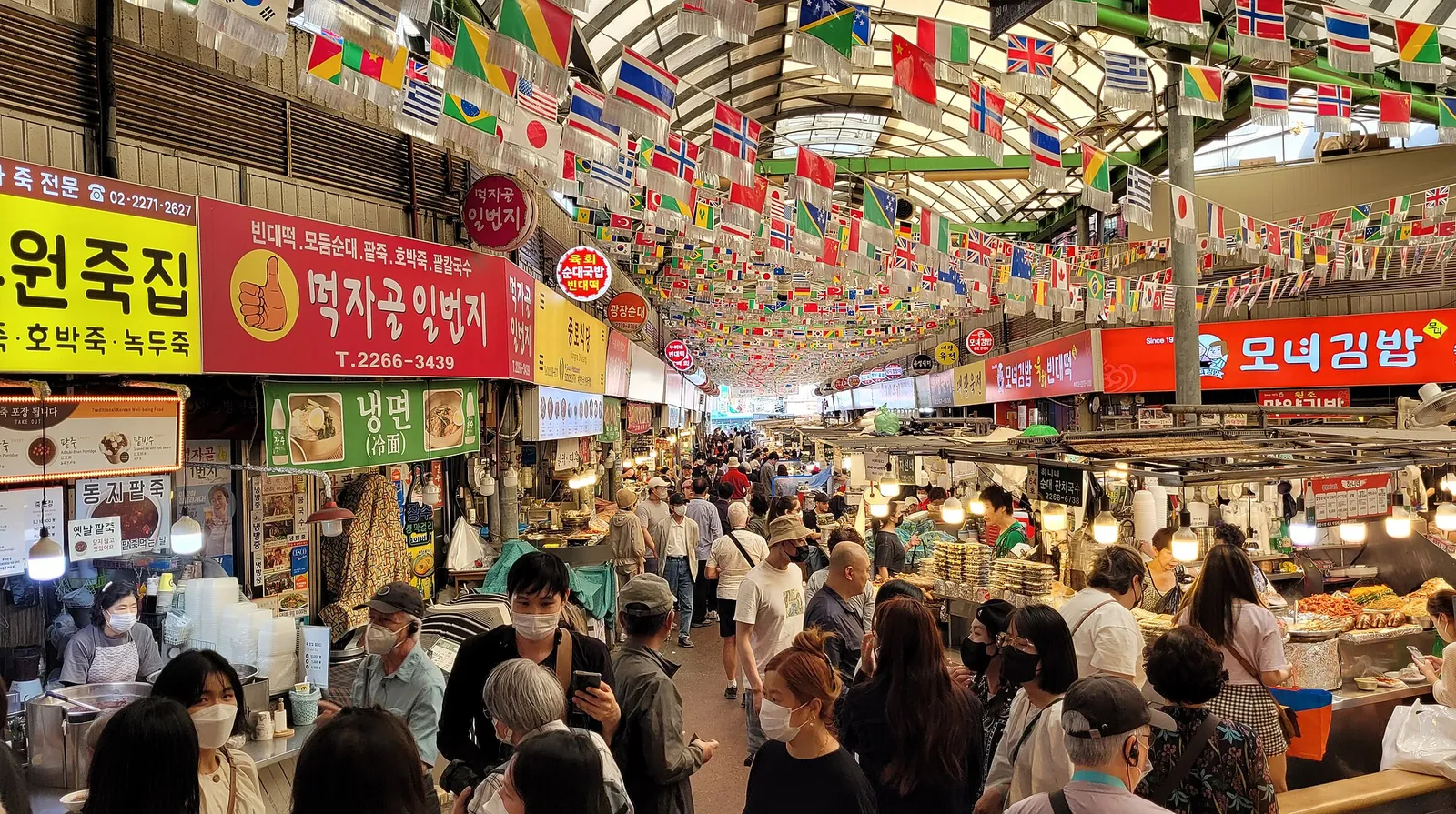
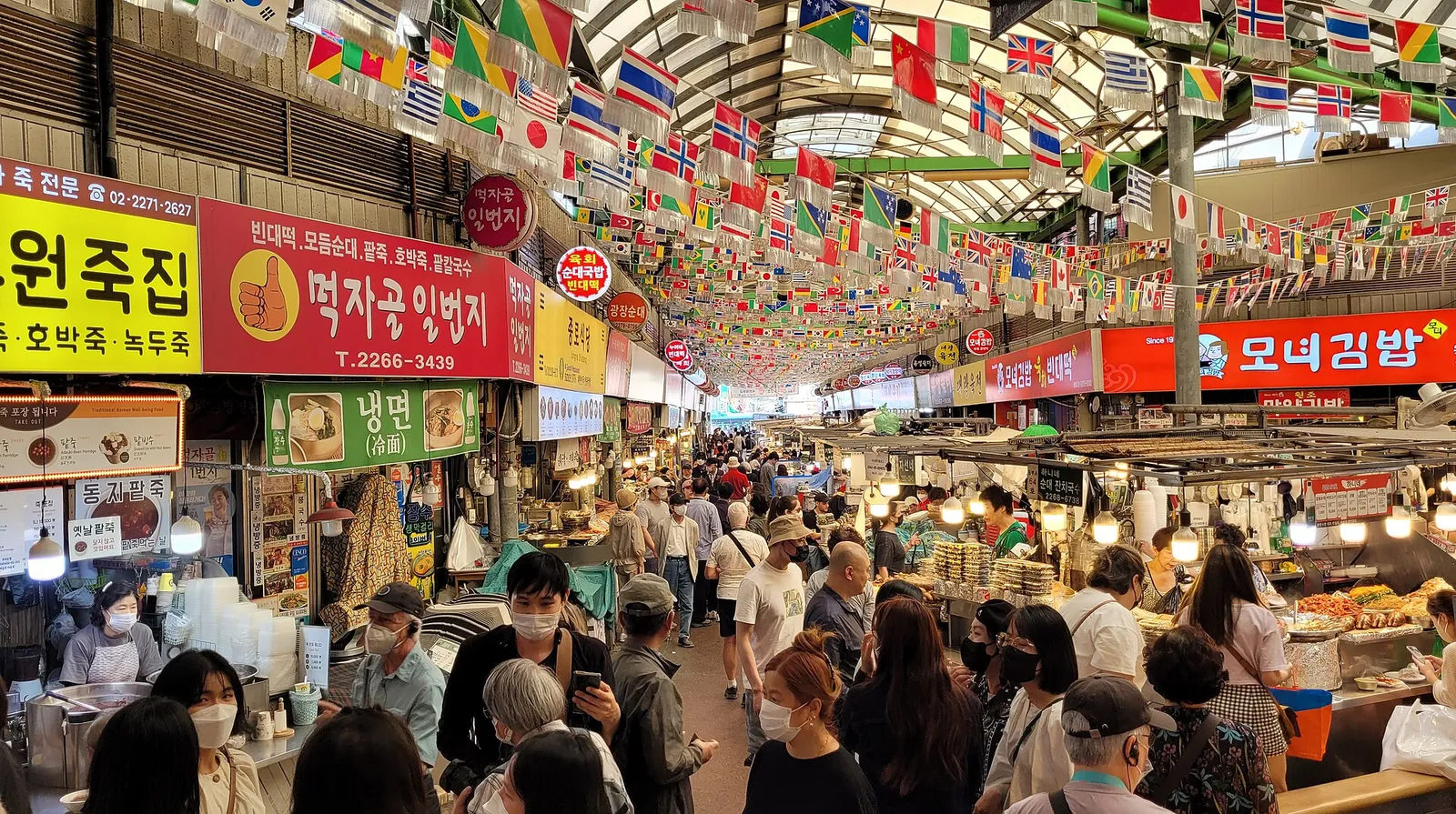
Gwangjang Market
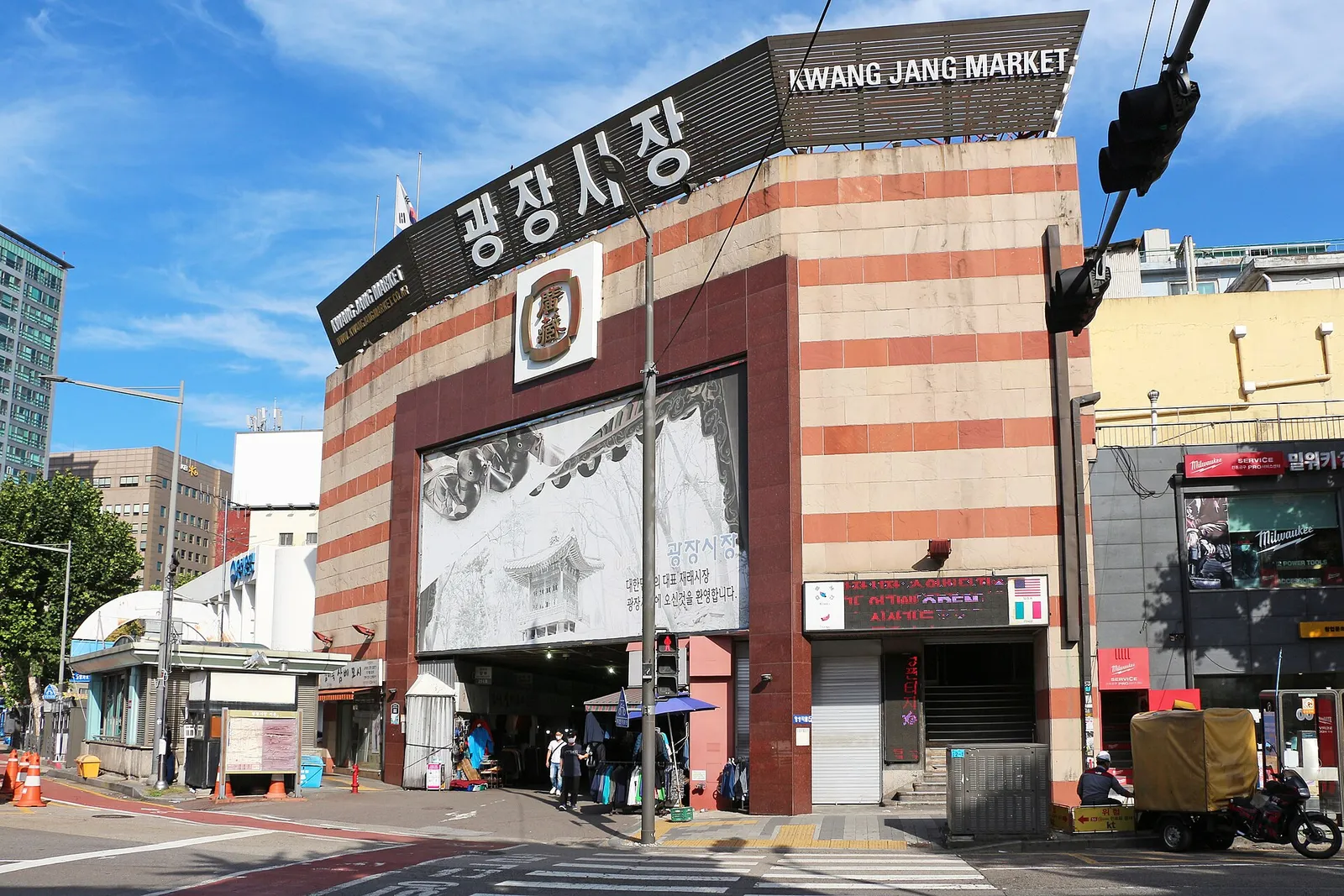
Korea’s oldest permanent market, and the one food destination in Seoul that lives up to the hype. Rows of counter stalls under a covered roof, cooks working a metre from your face, and strangers on either elbow.
What to order:
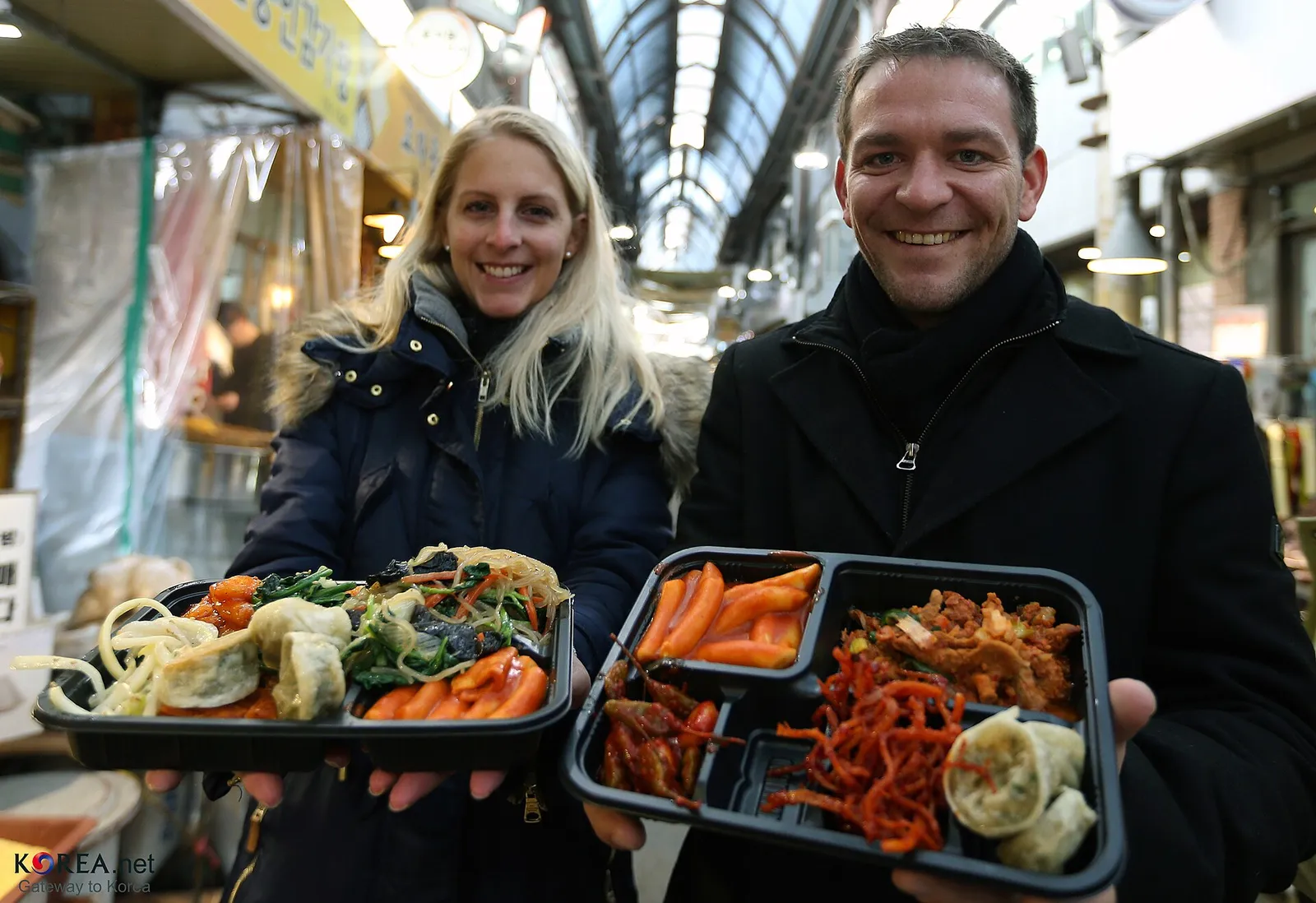
- Bindaetteok (₩5,000–7,000) — thick mung-bean pancakes, ground on stone mills at the front of the stalls and fried in a lot of oil. The signature dish here.
- Mayak gimbap (₩4,000–5,000) — “narcotic” seaweed rolls, small, plain, dipped in mustard soy. The name is a joke about how many you eat.
- Yukhoe (₩15,000–25,000) — raw seasoned beef with pear and egg yolk, sold in its own alley at the eastern end. Better than it sounds and perfectly safe at the busy stalls.
- Kalguksu and sujebi — hand-cut noodles and dough flakes in anchovy broth, ₩7,000–9,000.
- Makgeolli (₩5,000–8,000 a kettle) — cloudy rice wine, the correct drink with bindaetteok.
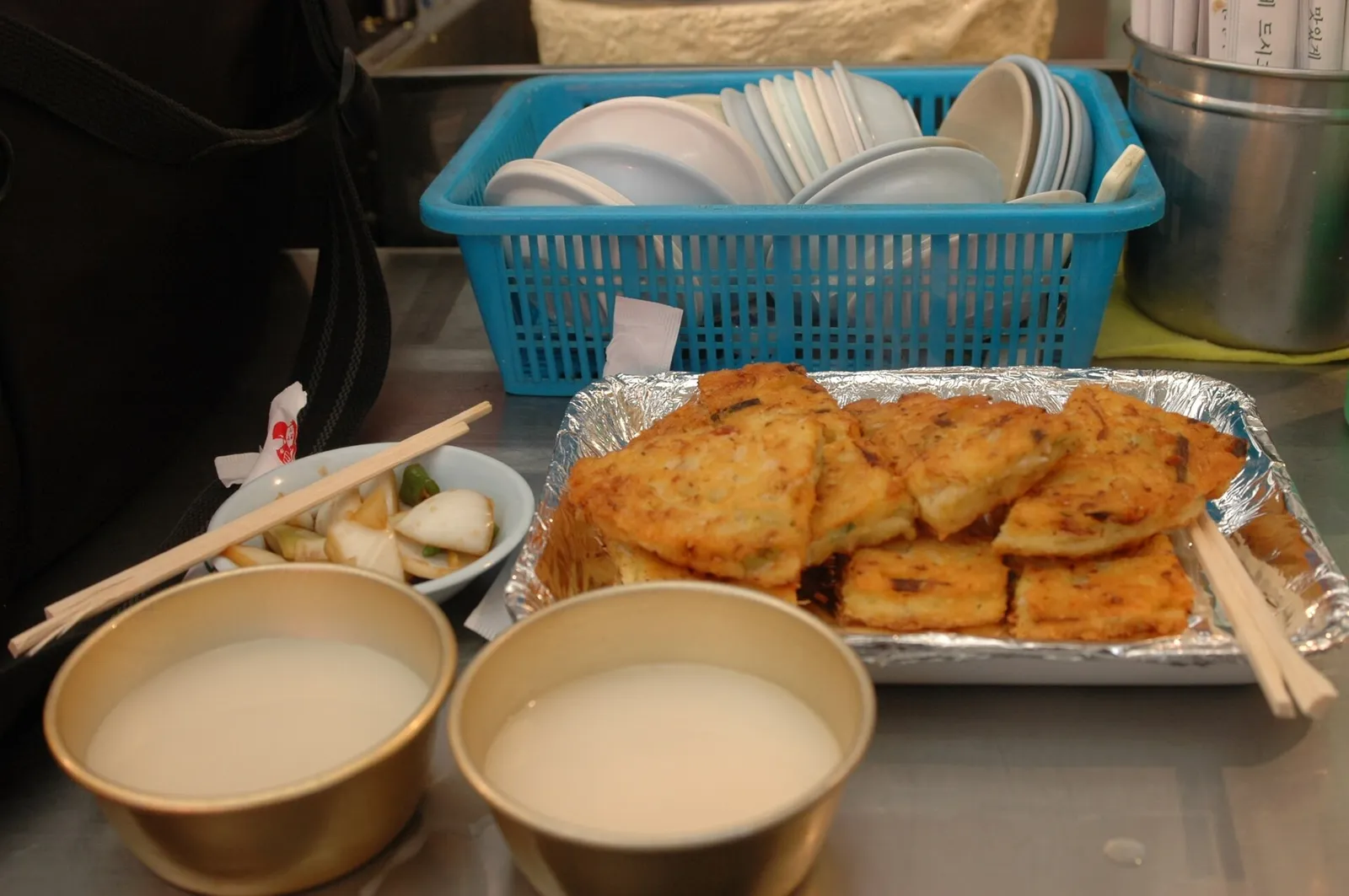
How it works: sit at a counter, point, pay at the end. Prices are posted on boards; agree what you are ordering before you sit so there is no confusion. Some stalls have become tourist-heavy and portions there are smaller for the money — walk one aisle further in and prices drop.
Busiest from early evening. It is right at Jongno 5-ga Station (Line 1) and a ten-minute walk from Jongno 3-ga.
Ikseon-dong
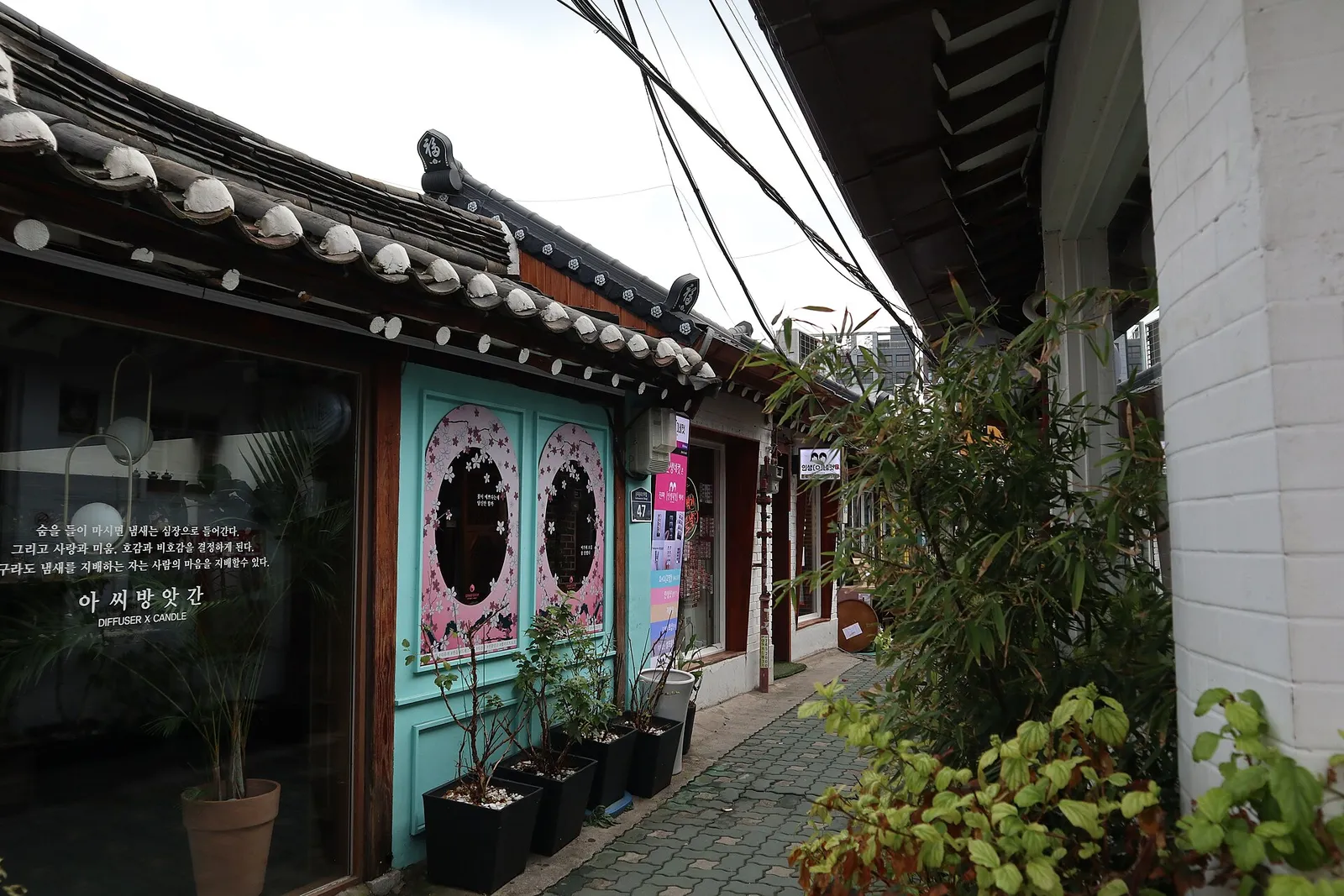
A block of narrow alleys behind Jongno 3-ga where the hanok houses have been converted into cafés, bars and modern Korean restaurants without knocking anything down. Ten years ago it was derelict; now it is one of the most photographed places in the city.
Expect ₩12,000–20,000 for a main and ₩6,000–8,000 for coffee. The food is contemporary rather than traditional: Korean-Italian, brunch, fusion sets. Weekends are packed and queues of 30 minutes are normal, so go on a weekday or before noon.
Alley cafés here are also the best rainy-day option in Jongno.
Insadong: tea and temple food
Traditional tea houses are tucked down the side alleys, not on the main street. Expect ₩8,000–12,000 for a pot, served in ceramic. What to try:
- Omija-cha — five-flavour berry tea, tart and cold in summer.
- Yuja-cha — citron tea, sweet and warming.
- Ssanghwa-cha — a dark herbal tonic, an acquired taste.
Temple food (사찰음식) restaurants serve fully vegetarian Buddhist cuisine: no meat, no fish stock, no garlic or onion. Sets run ₩20,000–40,000 and are the most reliable vegan option in central Seoul. Insadong has several, and the Templestay Information Center near Jogyesa temple can point you at them.
Jogyesa temple itself is free, two minutes from Insadong, and worth ten minutes.
Jongno 3-ga: grilled fish and makgeolli
The alleys around Jongno 3-ga Station hold the oldest drinking streets in Seoul. This is where office workers have gone after work for fifty years.
- Grilled fish alley — mackerel and hairtail grilled over charcoal, ₩12,000–18,000 with rice and side dishes.
- Makgeolli bars — rice wine by the kettle with pajeon (spring onion pancake).
- Nakji and gopchang — octopus and grilled offal, for the more adventurous.
- Pojangmacha — orange tent bars that appear in the evening.
It is smoky, loud and cheap, and it is the most authentically Korean night out in central Seoul.
Around the palaces
Samcheong-dong, north of Gyeongbokgung, has the nicest lunch options near the palaces: sujebi, dumplings, and cafés with hanok courtyards. Prices are 20–30% higher than average for Seoul but the setting earns it.
Avoid eating on Insadong’s main pedestrian street if you can. One alley either side is better and cheaper.
Vegetarian, vegan and halal
- Temple food restaurants in Insadong are the strongest vegan option in the whole city.
- Ordinary Korean stews and side dishes usually contain anchovy or beef stock. Ask.
- Halal: limited in Jongno. Itaewon is 20 minutes away on Line 3 then Line 6, and Myeongdong has several certified restaurants — see our Myeongdong food guide.
Practical notes
- Cash is still useful at older market stalls, though most now take cards.
- Many old restaurants close between 15:00 and 17:00 and shut by 21:00.
- Sunday is quiet: Gwangjang is thinner and some Insadong shops close.
- Solo diners do well at market counters, kalguksu shops and gimbap places; less well at grilled-fish tables.
- Tipping does not exist. The posted price is the price.
Wrapping up
Eat one evening at Gwangjang Market, one lunch in Samcheong-dong or Ikseon-dong, and drink one kettle of makgeolli in a Jongno 3-ga alley. That is the neighborhood’s food in three meals, and none of them costs much.
More in this series: the Jongno overview, hotels and palaces and sights.