 Now, Yeogi
Staying in Jongno: Palaces, Hanok and Old Seoul (2026 Guide)
A complete guide to Jongno, Insadong and Bukchon: five royal palaces, hanok lanes with visiting-hour rules you must know, where to stay and eat, and how to get there from the airport.
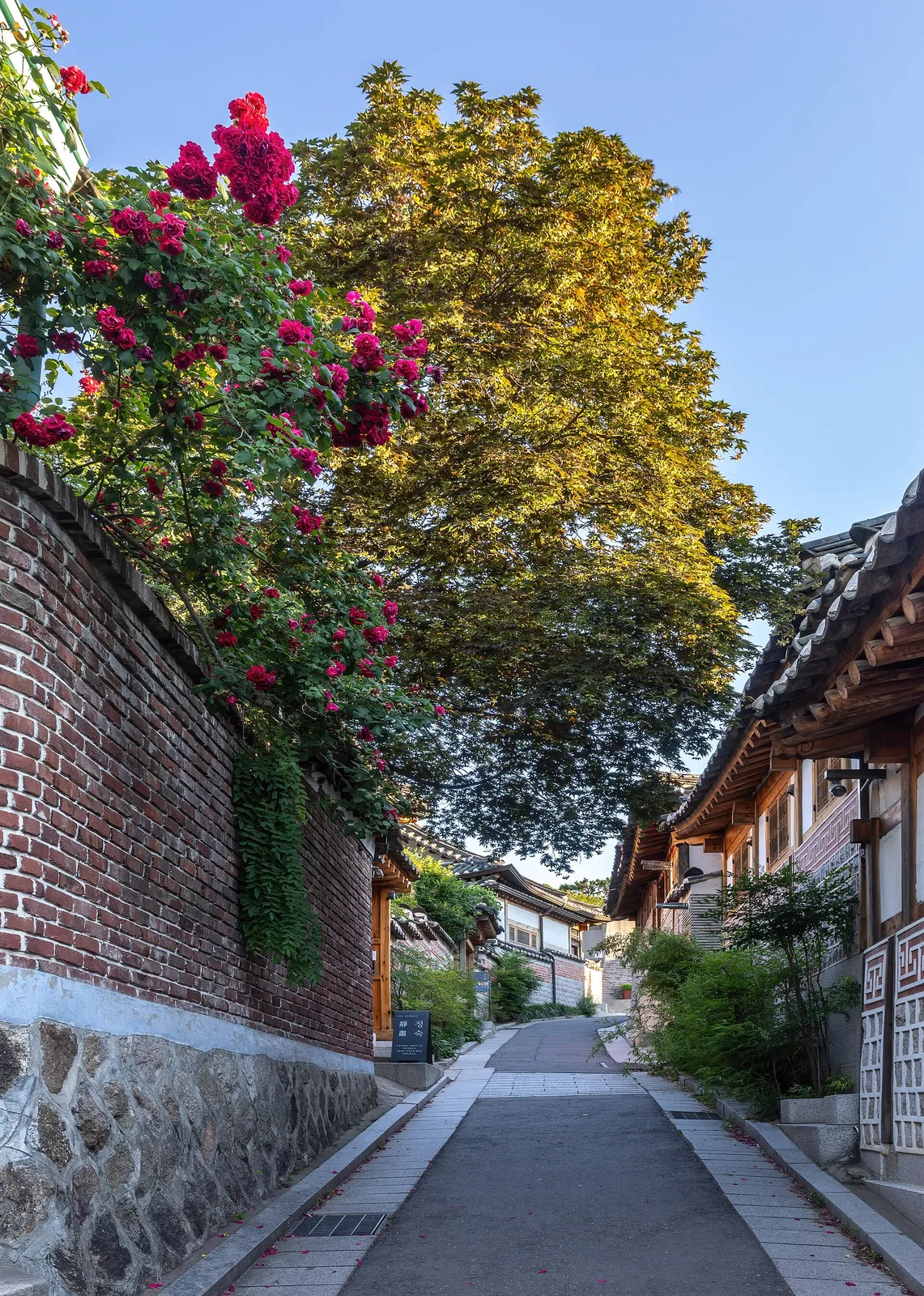
Jongno is where Seoul began. Five royal palaces, the hanok lanes of Bukchon, the craft shops of Insadong and the food alleys of Gwangjang Market all sit within one walkable stretch north of Cheonggyecheon stream. If your trip is about Korean history rather than shopping or nightlife, base yourself here.
This is the hub guide. Three companion guides go deeper on hotels, food and what to see. Information is as of September 2026.
Read this before you go to Bukchon
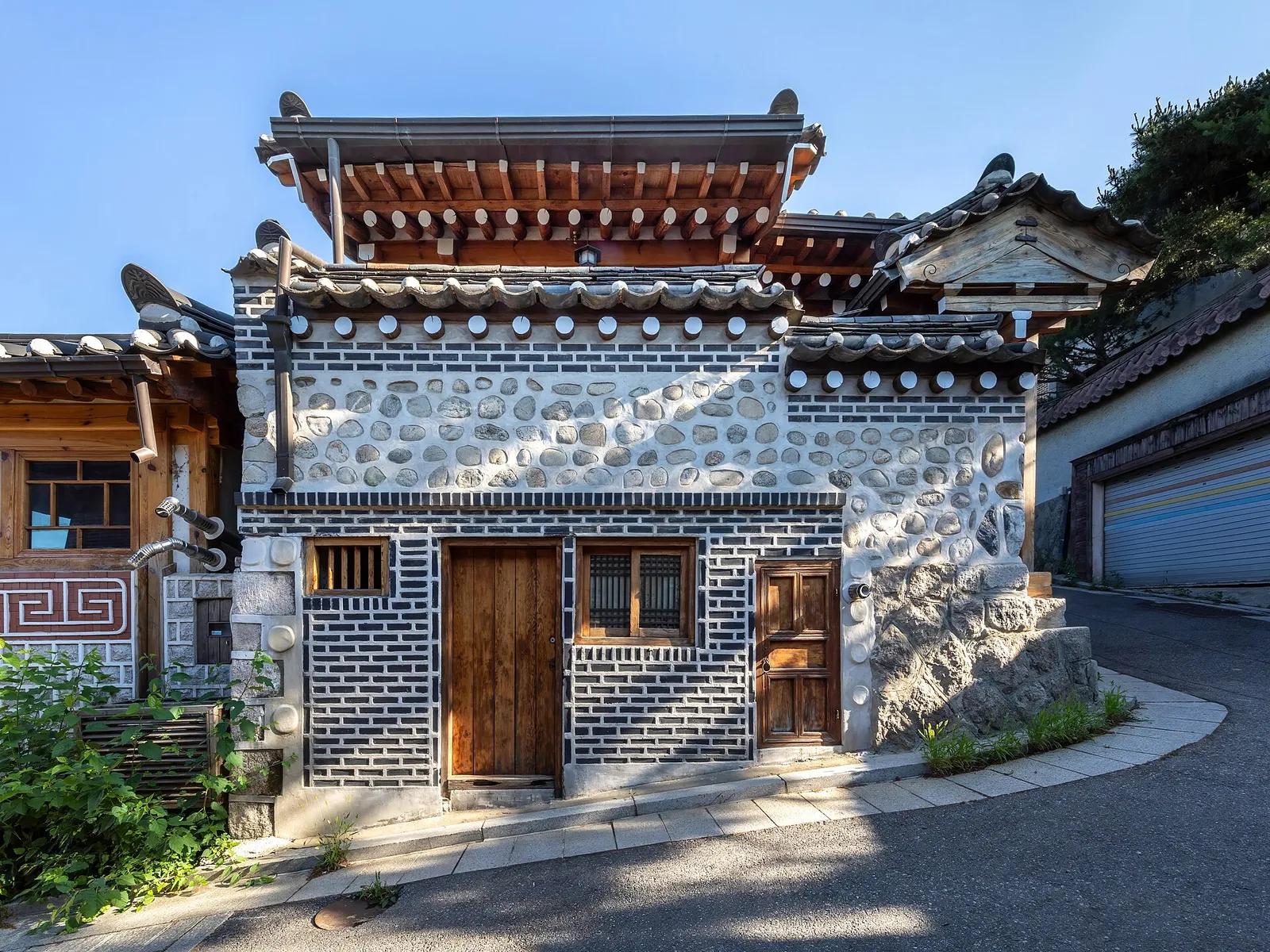
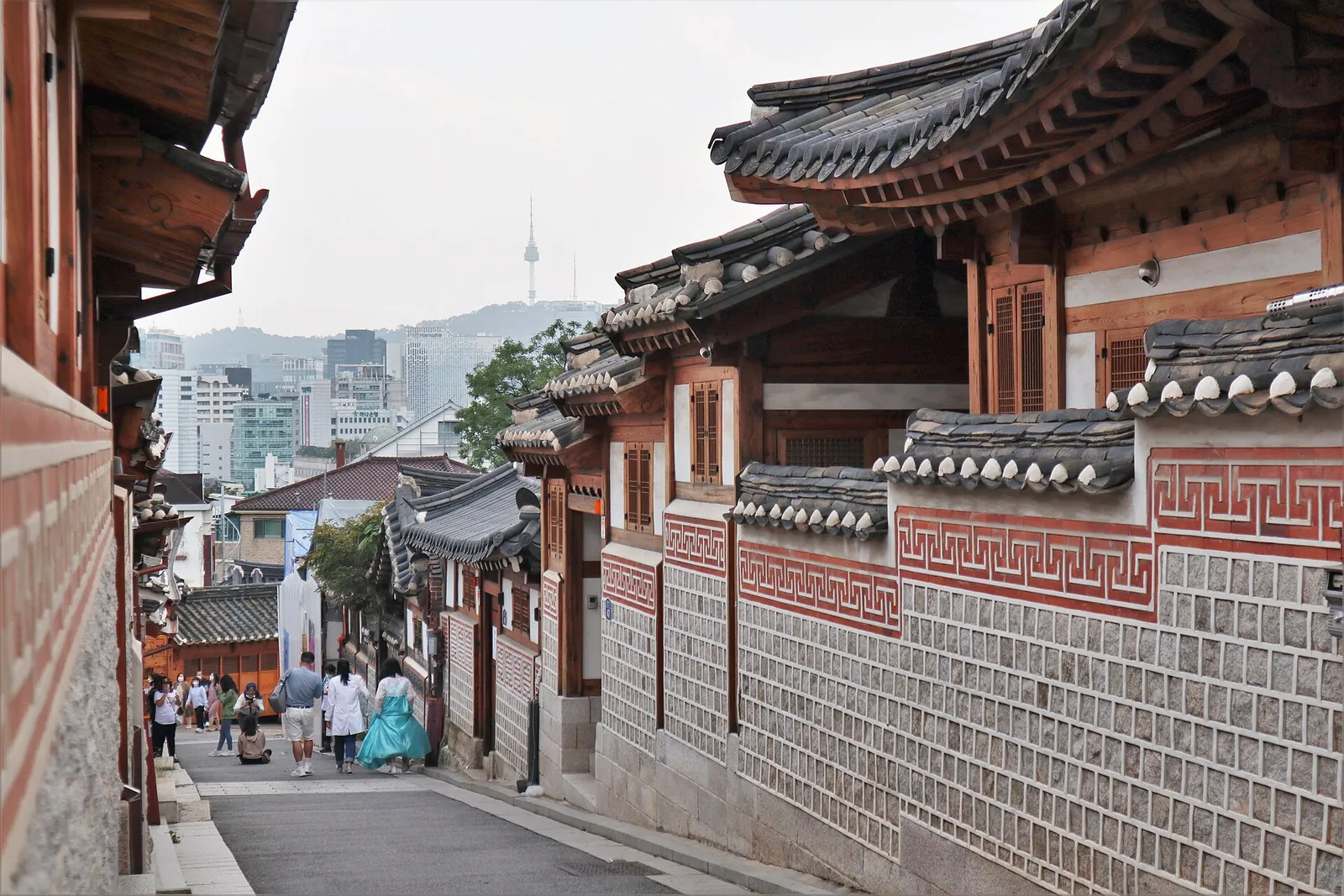
Bukchon is a residential neighborhood, not an open-air museum, and Seoul has started enforcing that.
Since 1 March 2025, roughly 34,000㎡ around Bukchon-ro 11-gil is a designated special management zone. Tourist visits are permitted only between 10:00 and 17:00. Being there as a visitor outside those hours carries a fine of ₩100,000, and the rule applies even to people staying at accommodation or using shops in the zone if they are judged to be sightseeing.
Charter buses are also banned along Bukchon-ro, Bukchon-ro 5-gil and Changdeokgung 1-gil from 1 January 2026.
Practically: go mid-morning, keep your voice down, do not photograph into doorways or windows, and do not sit on residents’ steps. The rest of Bukchon outside the red zone has no time limit.
Where Jongno is
Jongno-gu covers the old city centre. Travellers use it for four connected areas:
- Gwanghwamun — the government and office district, the big square, the main palace.
- Insadong — tea houses, craft shops, galleries, one pedestrian spine.
- Bukchon and Samcheong-dong — hanok lanes on the hill between two palaces.
- Ikseon-dong and Jongno 3-ga — renovated alley cafés and the city’s densest run of old restaurants and bars.
You can walk between all four in under twenty minutes.
Subway
- Anguk Station (Line 3) — the best exit for Bukchon, Insadong and Changdeokgung.
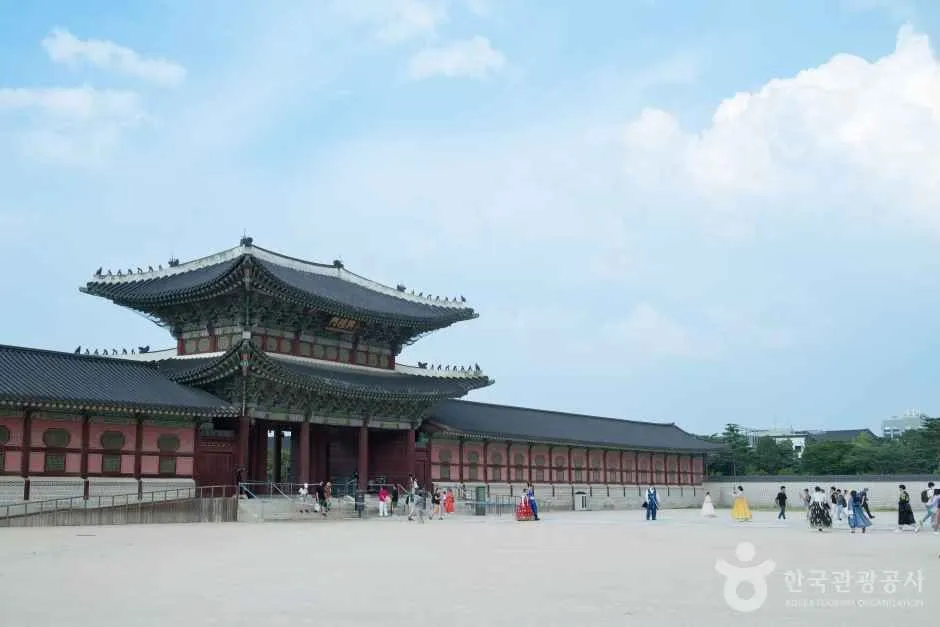
- Gyeongbokgung Station (Line 3) — exits directly into the palace grounds.
- Jongno 3-ga Station (Line 1 Line 3 Line 5) — Ikseon-dong, Gwangjang Market, nightlife.
- Gwanghwamun Station (Line 5) — the square and the big hotels.
Getting here from Incheon Airport
- Airport bus Bus 6002 — ₩17,000, runs through Jongno on the way to Cheongnyangni.
- AREX to Seoul Station, then Line 1 two stops to Jongno 3-ga, or Line 5 one stop to Gwanghwamun via a transfer.
- The all-stop AREX train is up to ₩5,350; the express is ₩13,000.
Details in our Incheon Airport to Seoul guide.
The palaces, in one paragraph
Gyeongbokgung is the big one, ₩3,000, closed Tuesdays. Changdeokgung is the prettier one and its Secret Garden requires a separate timed ticket. Jongmyo, the royal ancestral shrine, is a UNESCO site and ₩1,000. A combined ticket at ₩6,000 covers four palaces plus Jongmyo and is valid six months — worth it if you visit three or more. Anyone in hanbok gets in free, which is why rental shops line every approach. Full hours, prices and a route are in the things to do guide.
Where to stay, in one paragraph
Two very different options: international hotels around Gwanghwamun and Jongno 3-ga, or hanok guesthouses in Bukchon where you sleep on a heated floor around a courtyard. The hanok stay is memorable and often cheap; rooms are small and bathrooms are sometimes shared. Note the Bukchon time restriction if you book inside the red zone. The hotel guide breaks it down by budget.
Where to eat, in one paragraph
Jongno has Seoul’s best concentration of old restaurants: Gwangjang Market for mung-bean pancakes and raw beef, Ikseon-dong for renovated-hanok cafés and modern Korean, Insadong for temple food and traditional tea, and the alleys around Jongno 3-ga for grilled fish and makgeolli. See the food guide.
Who Jongno suits
It suits you if: history and architecture are the point; you want to walk everywhere; you would like to try a hanok stay; you prefer an early night.
It does not suit you if: you want nightlife on your doorstep (Jongno quiets down early outside the Jongno 3-ga alleys); you are shopping for cosmetics and fashion, which is Myeongdong’s job; you need a big modern hotel room on a budget.
Compare with seven other areas in our Seoul neighborhood guide, or read the Myeongdong and Hongdae guides.
A two-day Jongno base
Day one: Gyeongbokgung in the morning, including the changing of the guard. Lunch in Samcheong-dong. Bukchon between 10:00 and 17:00. Insadong in the late afternoon for tea. Dinner at Gwangjang Market.
Day two: Changdeokgung and the Secret Garden with a booked slot. Jongmyo next door. Ikseon-dong cafés. Evening in the Jongno 3-ga alleys.
Practical notes
- Palaces close on Tuesdays (Gyeongbokgung, Changdeokgung, Jongmyo). Deoksugung closes Mondays. Plan around it.
- Hanbok rental is ₩15,000–30,000 for four hours and gets you free palace entry, which nearly pays for itself at two palaces.
- Wear real shoes. Palace grounds are gravel and Bukchon is steep.
- Mornings are best everywhere here. Palaces open at 09:00 and are empty for the first hour.
- The area is quiet after 21:00 except around Jongno 3-ga.
Wrapping up
Jongno gives you the version of Seoul people picture before they arrive: tiled roofs, palace courtyards, tea houses and market alleys. Give it two full days, respect the Bukchon hours, and consider a night in a hanok even if you stay elsewhere the rest of the trip.
Continue with hotels, food or what to see.