 Now, Yeogi
Seongsu-dong Travel Guide: Getting There, a One-Day Route, What to Watch For (2026)
A first-timer's guide to Seongsu-dong: the airport bus that actually stops in the neighbourhood, the three different districts behind the three Seongsu Station exits, the weekend car-free window, and why even shops on the district office's own official course disappear.
Places in this post
- Address
- 56 Seongsui-ro (basement), Seongdong-gu, Seoul
- Menu
- The cafe street Exit 3 · The handmade shoe street Exits 1 and 2
- Tip
- This is where the Line 2 main loop and the Seongsu branch line split. Both Gangnam and Hongdae are a direct ride with no transfer.
- Address
- Yeonmujang-gil, Seongsu-dong 2-ga, Seongdong-gu, Seoul
- Hours
- Closed to vehicles 1pm-5pm at weekends (78 times planned for 2026)
- Tip
- Seongdong-gu runs it as a Seongdong-style pedestrian safety street. That window is the best time to walk it.
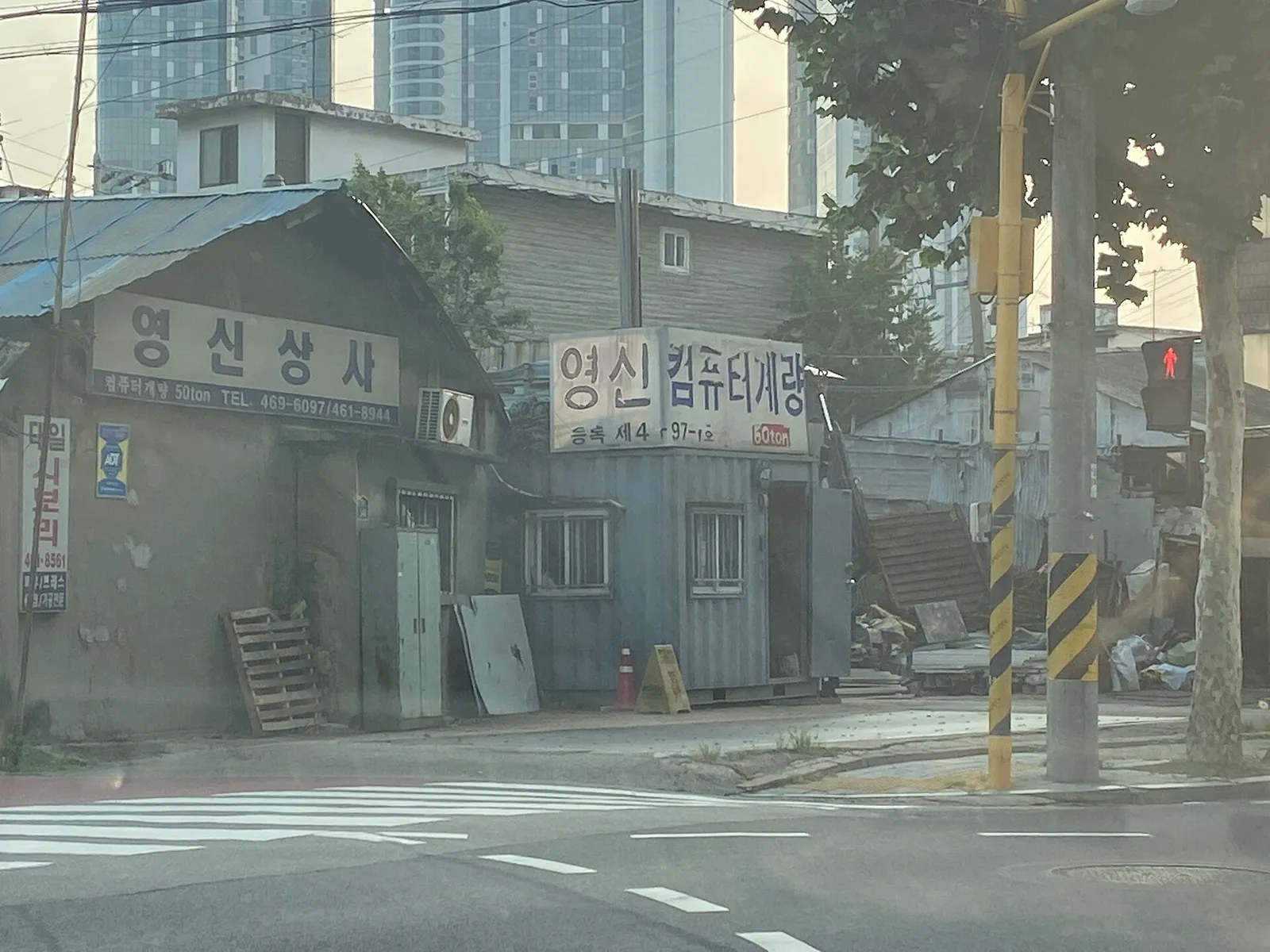
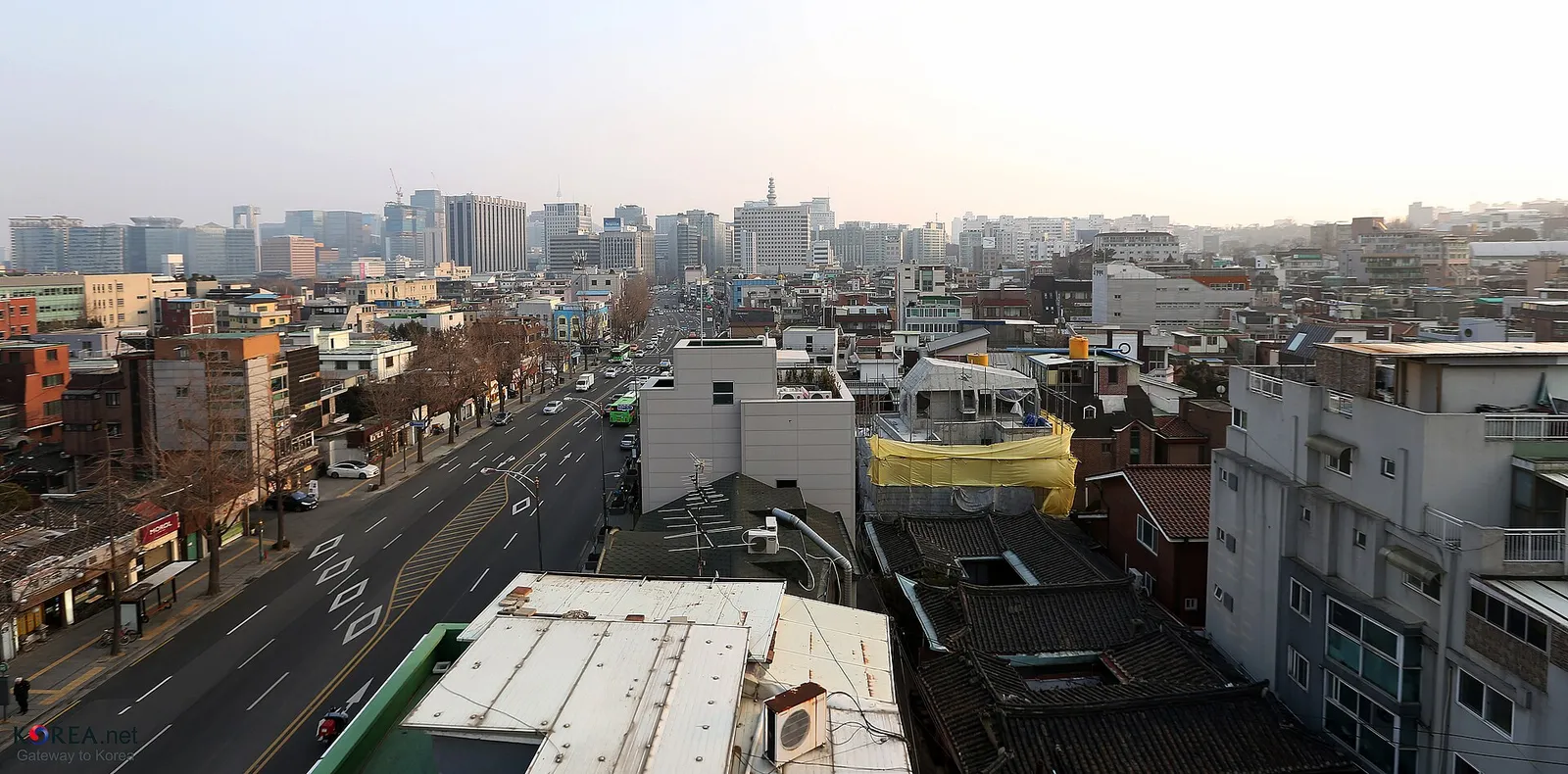
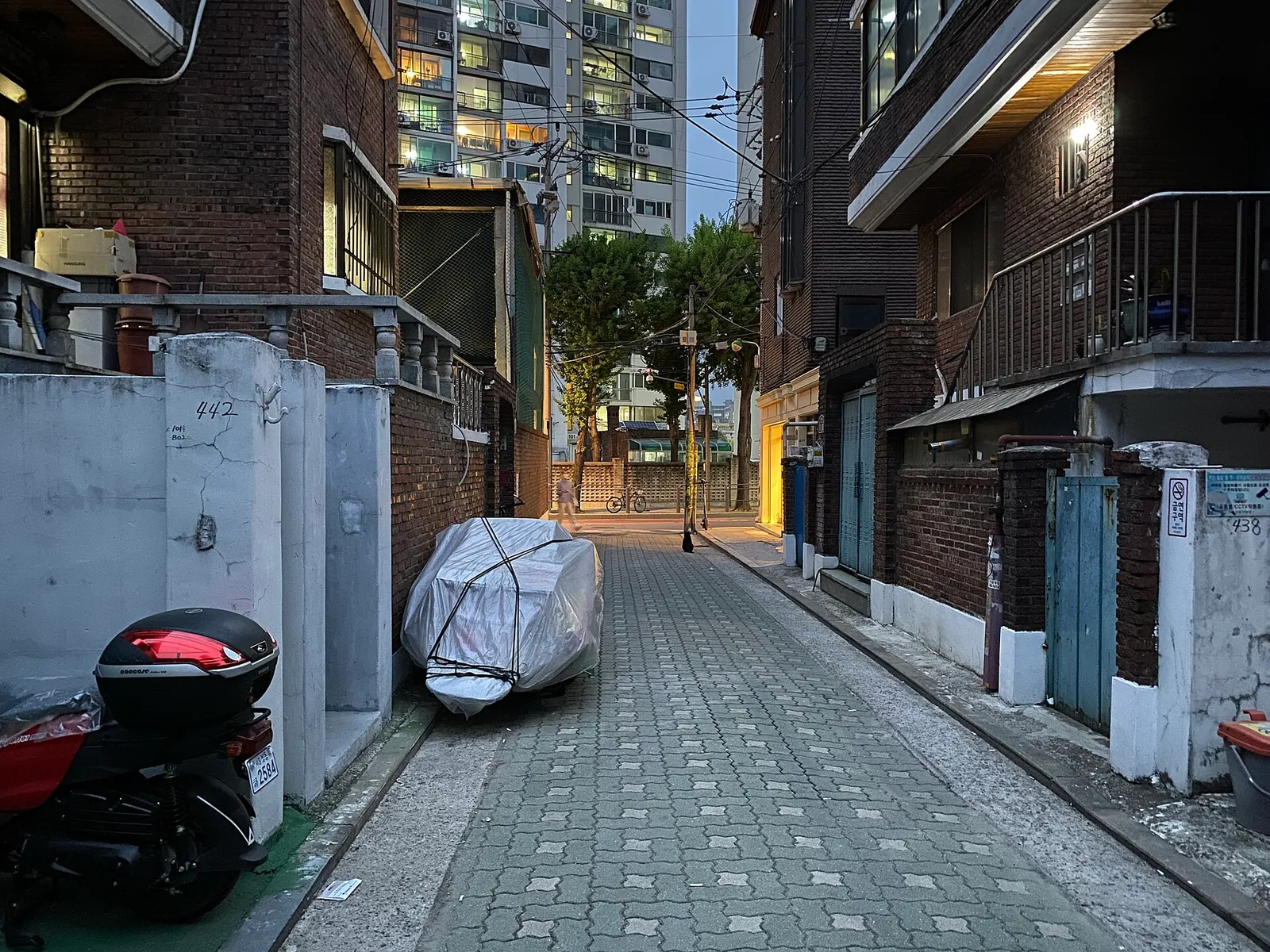
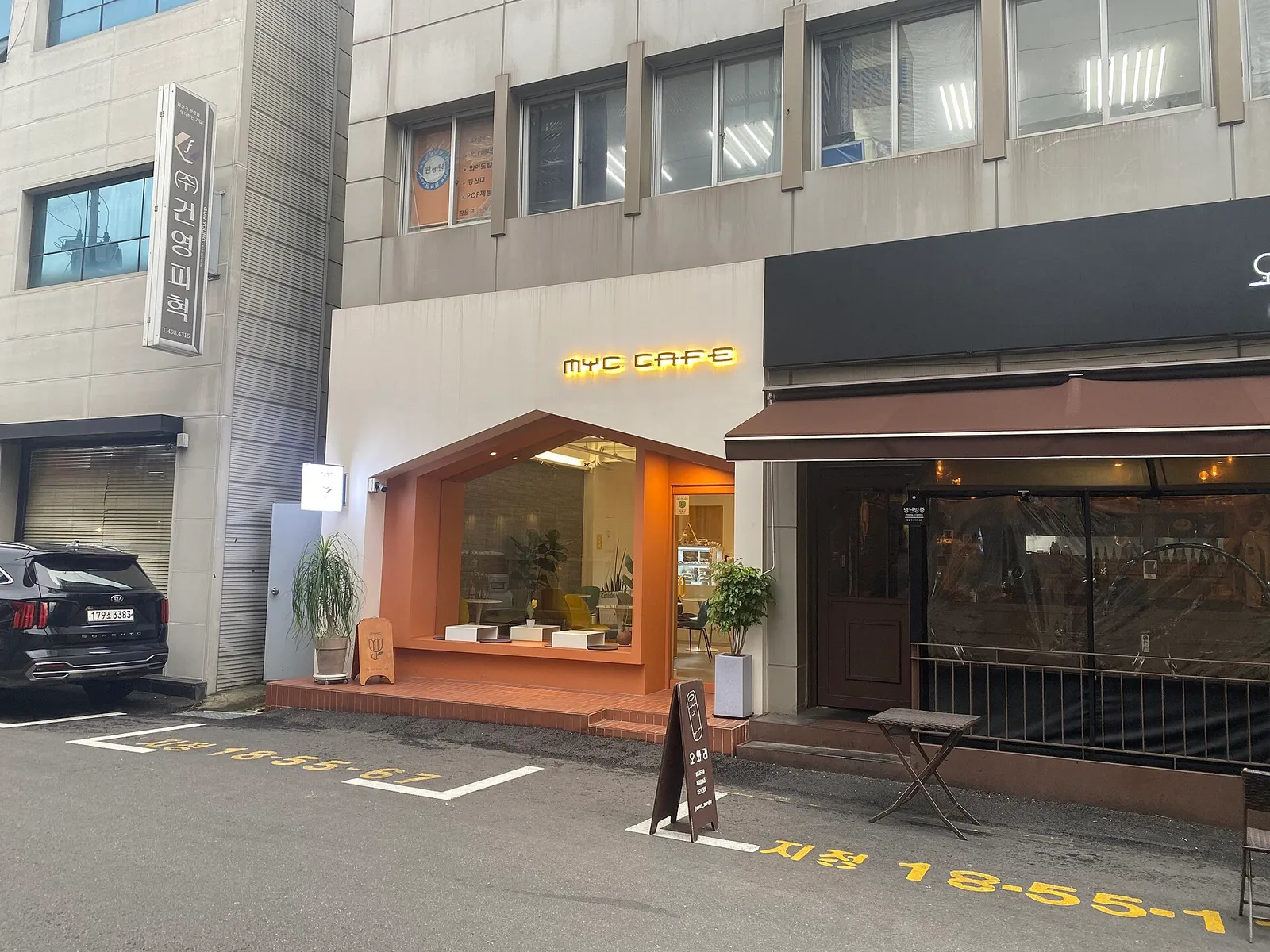
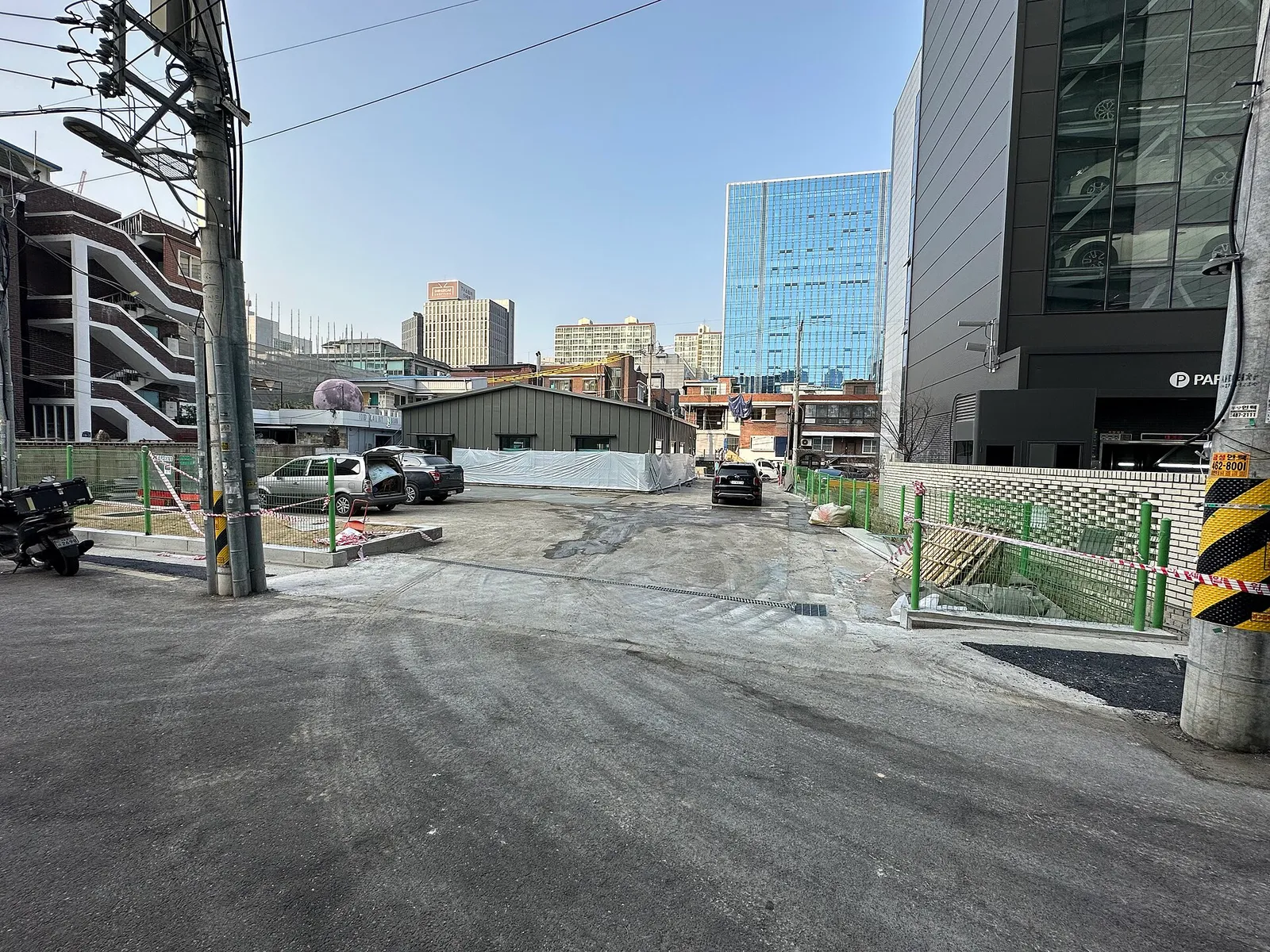
Seongsu-dong is a factory district that cafes moved into. It did not turn into one or the other. It is still both.
This is what the Korea Tourism Organization wrote when it put the Seongsu cafe street on the Korea Tourism 100 Selection (2025-2026) list.
The car repair shops, the printing works and the handmade shoe street are all still busy, and as global restaurant brands and concept-store cafes moved in among the clattering factories, an atmosphere found only in Seongsu-dong took shape.
This post is the overview for a first visit.
Where Seongsu-dong is
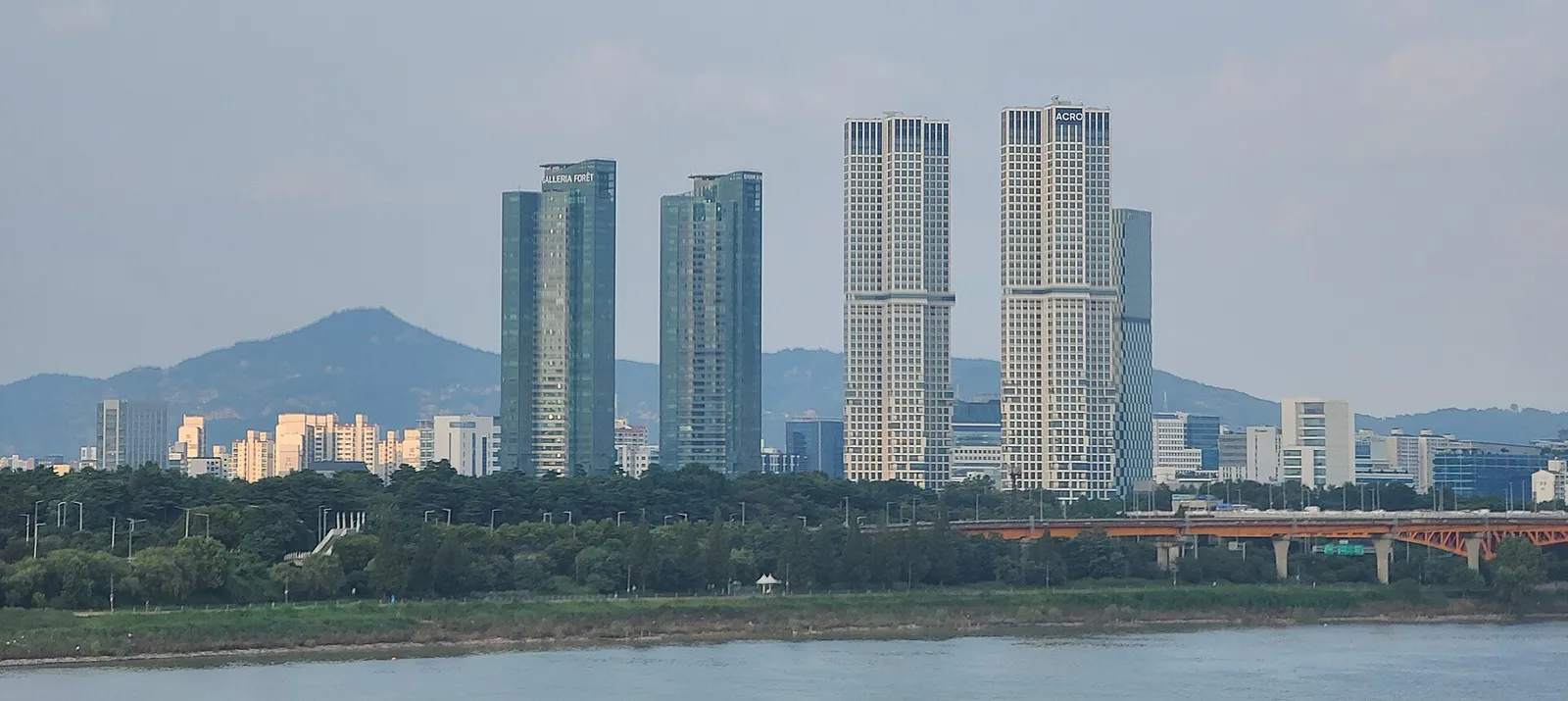
East Seoul, north of the Han River. The administrative district is Seongdong-gu.
Three axes are worth remembering.
- Yeonmujang-gil - the cafe street, south of Seongsu Station
- Achasan-ro - the handmade shoe street, the road linking Seongsu Station and Ttukseom Station
- Ttukseom-ro - Seoul Forest and the Seoul Waterworks Museum
This is how the Seongdong-gu tourist guidebook describes the cafe street.
Yeonmujang-gil in Seongsu-dong is a street full of the vintage atmosphere that red brick gives, where spaces converted out of old factories and warehouses have been reborn with a new face.
There is one more to add: Atelier-gil, a lane of workshops and cafes in among the red-brick houses.
For what it is worth, when Seongdong-gu explains its red-brick policy it cites Brooklyn in New York and the Aka Renga warehouses in Yokohama as overseas comparisons. “The Brooklyn of Korea” is not a phrase bloggers invented; it is the district office’s own wording.
Getting there from the airport
The Incheon Airport limousine Bus 6013 stops inside Seongsu-dong.
- The official route is written as “Myeonmok / Gunja Station / Konkuk University Station / Seongsu-dong”
- The Seongsu-dong stops are Seongsu 119 Fire Station, Seongsu E-Mart and Gyeongil Elementary School
- 17,000 won for an adult (about $12.75), 12,000 won for a child
Routes 6001 and 6002, which come up constantly in other Seoul travel posts, do not stop anywhere in Seongdong-gu. Get that mixed up and you will get off in the wrong part of the city.
If you would rather come by rail, take AREX as far as Hongik University Station and change to Line 2 there. That is a single transfer all the way to Seongsu Station.
Which exit to take
This is where people get lost in Seongsu-dong. There are three stations and each one leads to a different neighbourhood.
| Destination | Station and exit |
|---|---|
| The cafe street (Yeonmujang-gil) | Line 2 Seongsu Station, exit 3 |
| The handmade shoe street | Line 2 Seongsu Station, exits 1 and 2 |
| Shoe Theme Park | Line 2 Seongsu Station, exit 4 |
| Ttukdo Market | Line 2 Seongsu Station, exit 3, then 15 minutes on foot |
| Seoul Forest | Line 2 Ttukseom Station, exit 8 |
| Seoul Forest and the Waterworks Museum | Suin-Bundang Line Seoul Forest Station, exit 3 or exit 4 |
For Seoul Forest Station, the official sources contradict each other. The Seoul Metropolitan Government says exit 4, Seongdong-gu says exit 3, and the Seoul Tourism Organization says exits 3 and 4.
When to go
Seongsu-dong gets very crowded. These are Seongdong-gu’s official figures.
- Visitors: about 46 million in 2020, about 70 million in 2024 (up 52%)
- 883 pop-up stores held in 2025
The district office has 96 of its 100 crowd-detection CCTV cameras concentrated in Seongsu-dong, monitored around the clock.
So there are three things to pass on.
One: 1pm to 5pm at the weekend is the best time to walk. Seongdong-gu runs what it calls a Seongdong-style pedestrian safety street and blocks vehicles from entering Yeonmujang-gil during those hours. The plan for 2026 is to raise this to 78 times a year.
Two: you can check how crowded it is before you set off. Seongdong-gu puts out real-time information through the Seongsu Live YouTube channel and through kiosks and display boards on the street.
Three: avoid Mondays. The indoor facilities at Seoul Forest (the insect and plant garden, the butterfly garden) and the Seoul Waterworks Museum all close on Mondays. If you are only here for cafes it makes no difference, but that removes half of what there is to see.
Seongdong-gu officially classifies Halloween and Christmas as crowd-concentration periods.
A one-day route
Seongdong-gu publishes two official themed routes. Here they are as written.
Seongsu Brooklyn - the galbi alley, then Atelier-gil, Seoul Forest, Understand Avenue and the Seoul Waterworks Museum
Seongsu Cafes - a route linking 11 cafes along Yeonmujang-gil, 3 to 10 minutes’ walk between stops
For a first visit, mixing the two works better.
- Line 2 Seongsu Station, exit 3 - the Yeonmujang-gil cafe street (1-2 hours)
- Cross over towards Achasan-ro for the handmade shoe joint sales outlets and Shoe Spot Seongsu (30 minutes, free)
- Walk to Seoul Forest - it is within walking distance of the cafe street
- The Seoul Waterworks Museum - next door to Seoul Forest, free, 09:00-18:00
- Dinner in the meat restaurant alleys around Sangwon-gil
Seoul Forest and the Waterworks Museum were originally one and the same filtration plant site. The insect and plant garden at Seoul Forest is the old rapid filtration building, and the gallery garden is the old sedimentation basin. Fittingly for a neighbourhood where factories became cafes, a water treatment plant became a park and a museum.
What it costs
Most of what there is to see is free.
- Seoul Forest - free
- The Seoul Waterworks Museum - free
- The five public handmade shoe facilities - all free
In practice the only thing you spend money on is eating and drinking. Going by the Ministry of the Interior and Safety’s official “good price” list, the floor for lunch in Seongsu-dong is 5,500 to 9,000 won (roughly $4 to $6.75), and there are cafes on that list selling an americano at 3,000 won. The detail is in the food and cafe post.
What to know before you go
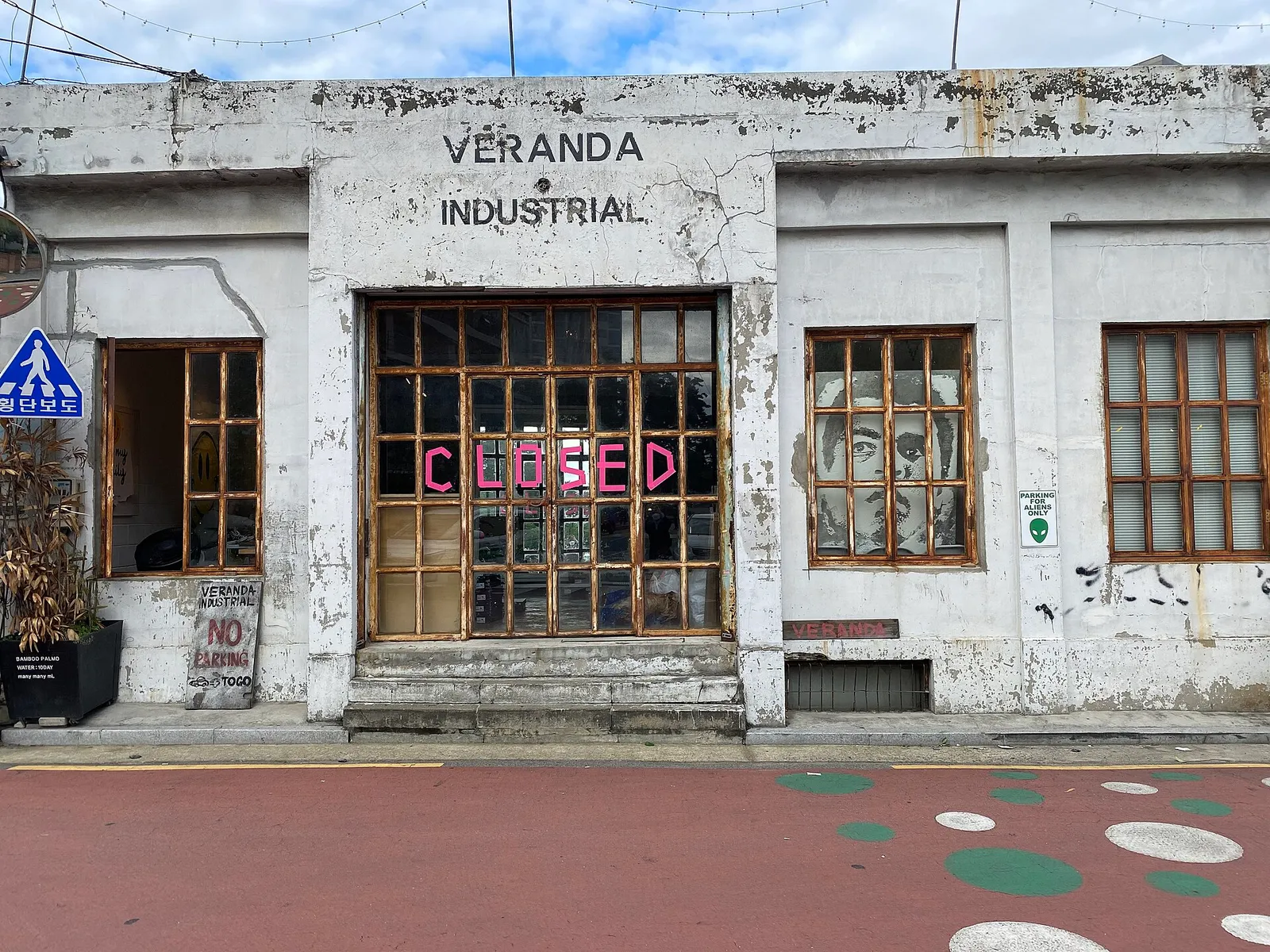
Shops change often. This is structural, not accidental.
Seongdong-gu’s own official Seongsu Cafes route page lists 11 shops in order, but there are no addresses, no opening hours and no last-updated date. In other words the district office is not guaranteeing that those shops are still trading.
So do not come with one particular shop as your target. Aim at the street and go into whatever is open on the day. That is also why this post names almost no shops.
The same goes for pop-up stores. There are 883 a year and most of them run for a few days to a few weeks. Check just before you go.
Tourist information here is thin
Plainly stated.
- There is no Seongsu-dong course in the Seoul city walking-tour programme
- My Store SS inside Seongsu Station is an unstaffed touchscreen, and its hours are not in any official source
- The English and Japanese on the Seongdong-gu website are a Google auto-translate widget
The places where you can actually ask a person are the Seoul Forest visitor centre (09:00-18:00, open year-round) and the 1330 tourist interpretation line.
Do not ride a scooter into Seoul Forest
Electric kick scooters and Segways are banned from Seoul Forest, with a 50,000 won fine (about $37). A lot of visitors get around on them these days, but not inside the park. Tents and drones are banned too.
Where to sleep
There is not a single registered tourist hotel in Seongsu-dong. The five registered tourist accommodation businesses in Seongdong-gu are all in Wangsimni and Yongdap-dong.
So staying in Seongsu-dong means, in practice, staying in someone’s home. Unlicensed lodging is a real issue here, so read the accommodation post before you book.
Who this neighbourhood suits
It suits you if:
- You like cafes and bakeries
- You are interested in spaces made out of converted old buildings
- You like walking. Everything worth seeing is within walking distance
- You need somewhere with a direct ride to both Gangnam and Hongdae with no transfer
It does not suit you if:
- You came for palaces or hanok, in which case Jongno is your neighbourhood
- You dislike crowds, in which case avoid the weekend
- You want well-developed signage and interpretation, which is weak here
Wrapping up
- The airport bus is Bus 6013. Routes 6001 and 6002 do not stop in Seongdong-gu.
- Exit 3 at Seongsu Station is the cafes, exit 8 at Ttukseom Station is Seoul Forest.
- Yeonmujang-gil is closed to cars from 1pm to 5pm at weekends - the best time to walk it.
- On Mondays the Seoul Forest indoor facilities and the Waterworks Museum are all closed.
- Most sights are free. The only real spending is on food.
- Even shops on the district office’s official course disappear. Aim at the streets, not at shops.
- There are zero tourist hotels in Seongsu-dong.
In one line: Seongsu-dong is a neighbourhood you go to for the cafes, and what stays with you is the factory still running next door to one.
More in this series: things to do in Seongsu, food and cafes and where to stay.