 Now, Yeogi
Euljiro Travel Guide: How to Get There, a One-Day Route, and Why to Go Now (2026)
A first-timer's overview of Euljiro, from official sources: the airport bus runs straight through the neighbourhood, every station exit leads to a completely different place, and one alley has a Seoul city heritage page that says demolition is under way.
Places in this post
- Address
- 145 Euljiro (basement), Jung-gu, Seoul
- Menu
- The nogari alley 3-5 minutes on foot · The golbaengi alley Exit 12
- Tip
- Lines 2 and 3 meet here. The airport limousine 6015 stop is also at exit 12.
- Address
- 159 Cheonggyecheon-ro, Jung-gu, Seoul
- Menu
- Admission Free
- Tip
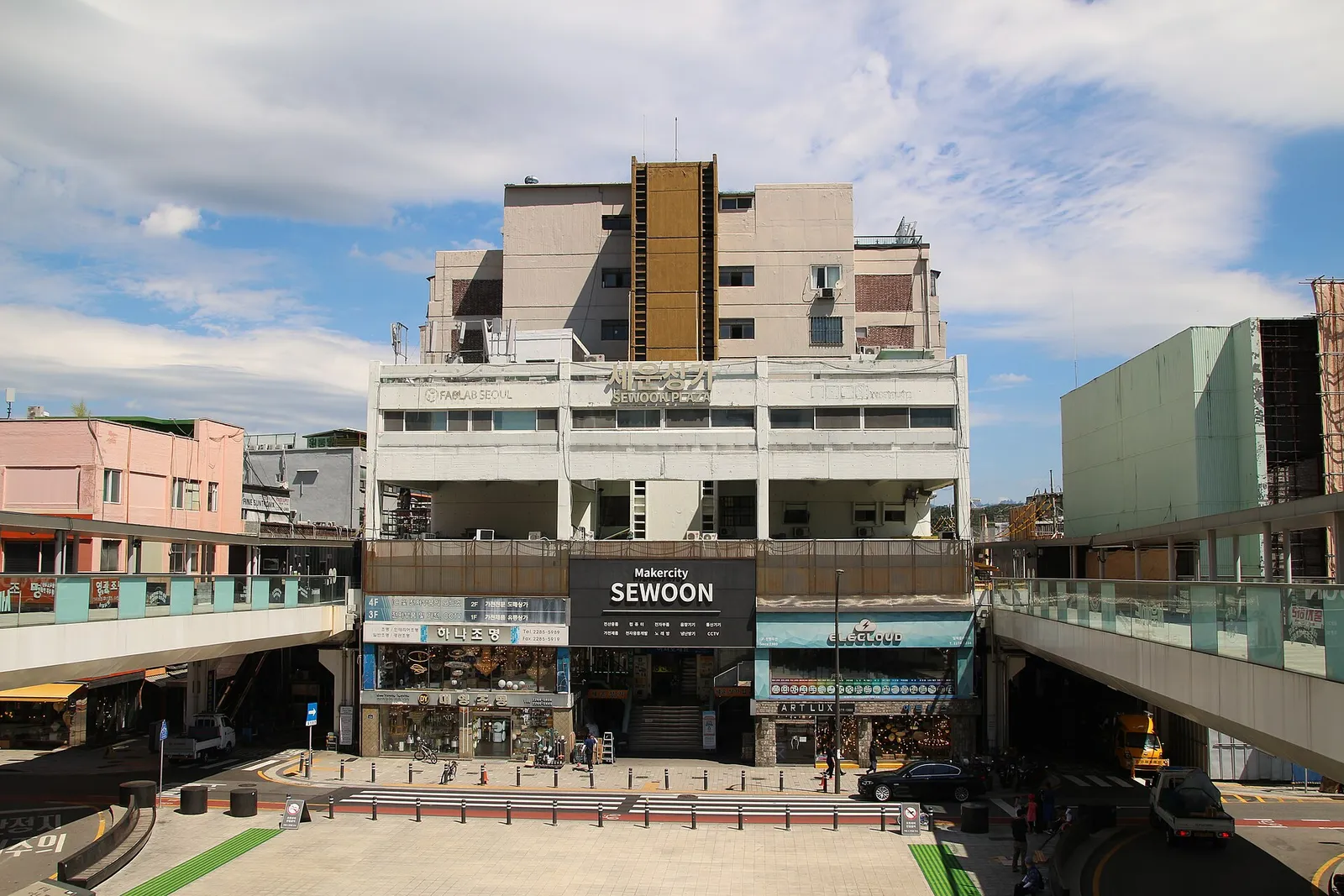
- Korea's first mixed-use residential and commercial building, from 1968. The elevated pedestrian deck is slated for demolition.
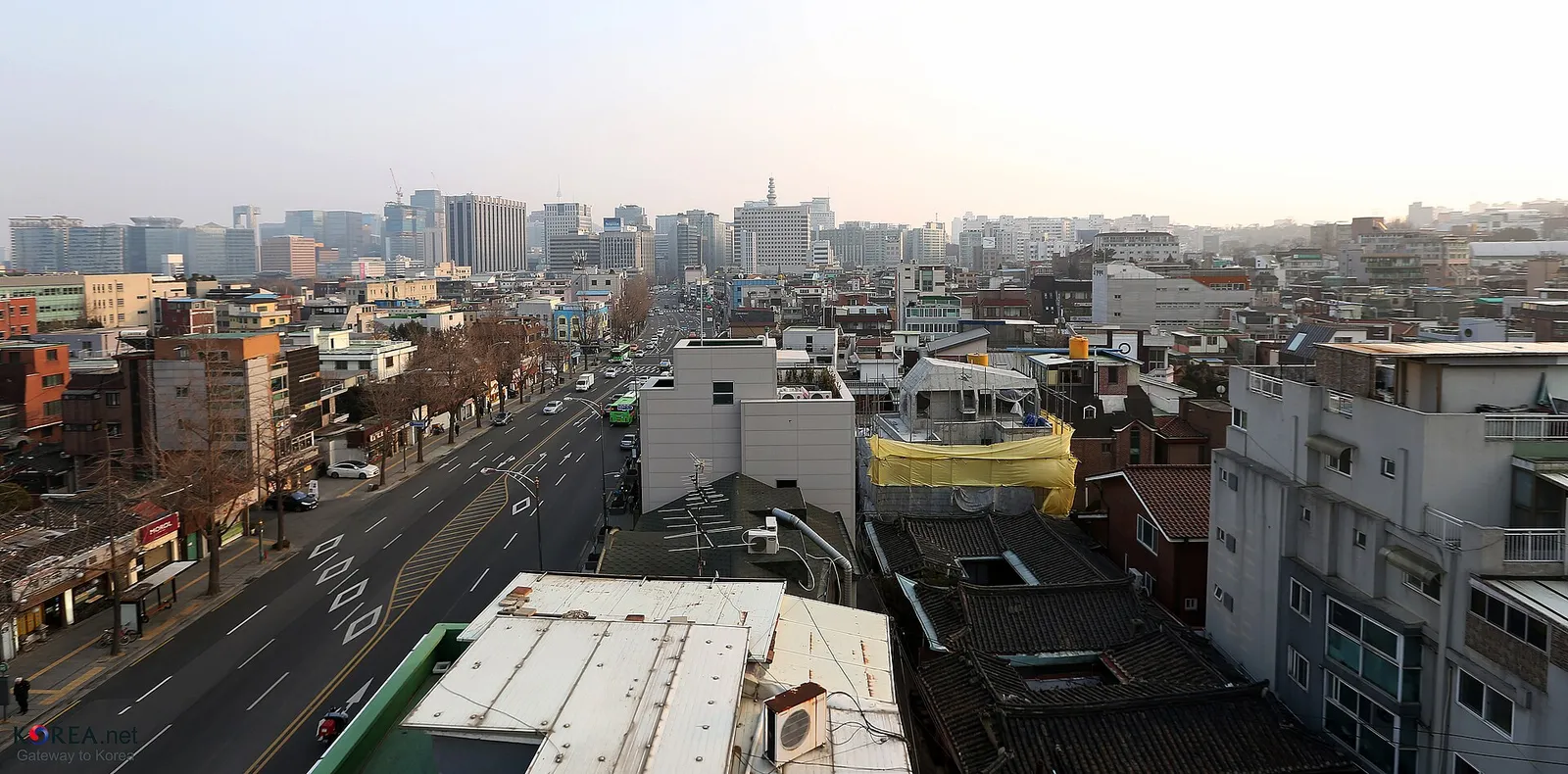
Euljiro is a factory district still standing in the middle of Seoul. Cafes and bars sit wedged between alleys where presses are running and lathes are cutting metal.
And a good part of those alleys is being demolished right now. That is the reason this post exists.
Where Euljiro is
Dead centre of Seoul, in Jung-gu. It lies between Myeongdong and Jongno, with Cheonggyecheon as its northern edge.
This is how the Seoul Metropolitan Government described it in a press release in August 2026.
Euljiro has established itself as a district where traditional inner-city industry and a new culture coexist, its distinctive industrial landscape of densely packed print shops, ironworks and workshops joined by cafes, craft studios and cultural spaces. On the strength of that singular atmosphere it has acquired the nickname “Hipjiro”
“Hipjiro” is a word that appears in official Seoul city press releases. The city itself calls it a nickname, though. It is not an administrative name.
Each station leads to a different neighbourhood
This is where people get lost. Euljiro is a long east-west road, so which station you get off at decides entirely where you end up.
| Station | What you find when you come out |
|---|---|
| Line 2 Euljiro 1-ga Station | High-rise offices. It runs straight into Myeongdong |
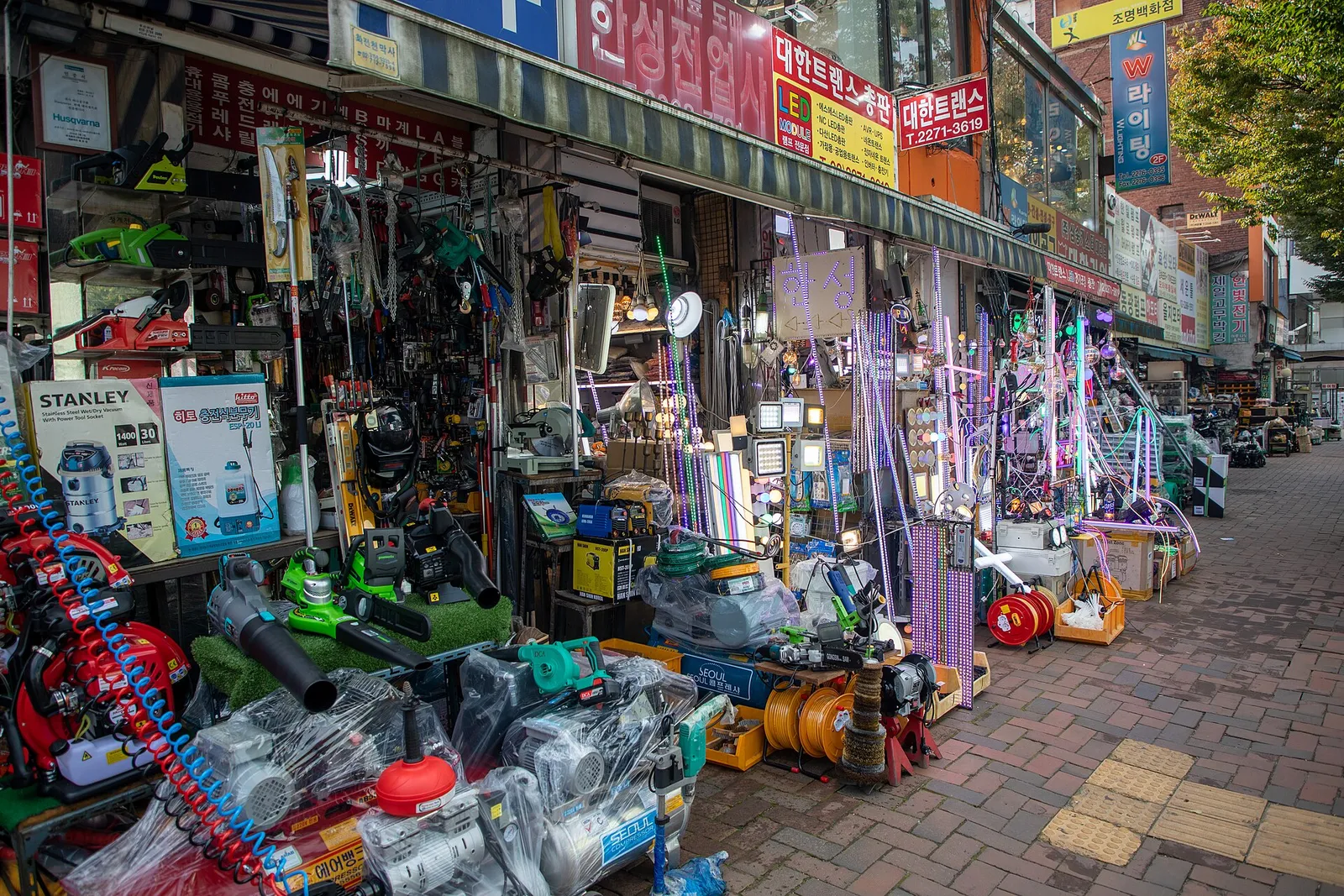
| Line 2 Line 3 Euljiro 3-ga Station | The nogari alley, the golbaengi alley, Sewoon Sangga, the tool market |
| Line 2 Line 5 Euljiro 4-ga Station | The lighting street, Bangsan Market, several long-established restaurants |
| Line 3 Line 4 Chungmuro Station | The printing alley |
If it is your first time, go to Euljiro 3-ga Station. That is where the sights and the food are most concentrated.
A few exit numbers are worth memorising.
- The golbaengi alley - Euljiro 3-ga Station, exit 12
- The Ojang-dong naengmyeon alley - 400m from exit 6 of Dongdaemun History and Culture Park Station
- Munhwaok (seolleongtang) - Euljiro 4-ga Station, exit 4
Getting in from the airport
The airport limousine Bus 6015 runs straight through Euljiro. The first nine stops on the route are all in Jung-gu, and three of them are in Euljiro.
- Euljiro 1-ga Station, exit 5, in front of Hana Bank
- Euljiro 3-ga Station, exit 12, in front of Kookmin Bank
- Euljiro 4-ga Station, exit 10
The fare is 17,000 won for an adult (about $12.75), first come first served, no booking.
Two things to watch.
One: the stop names do not match the actual locations. The middle stop is called “Euljiro 2-ga (Fine Avenue)”, but it is in fact at exit 12 of Euljiro 3-ga Station.
Two: the last bus to the airport is early. 19:42 at Euljiro 1-ga, 19:50 at Euljiro 4-ga. For an evening flight you will need the subway or the airport railway.
By rail, take AREX to Seoul Station and change to Line 1 or Line 2 there. It is about 9 minutes on to Euljiro 3-ga Station.
A one-day route
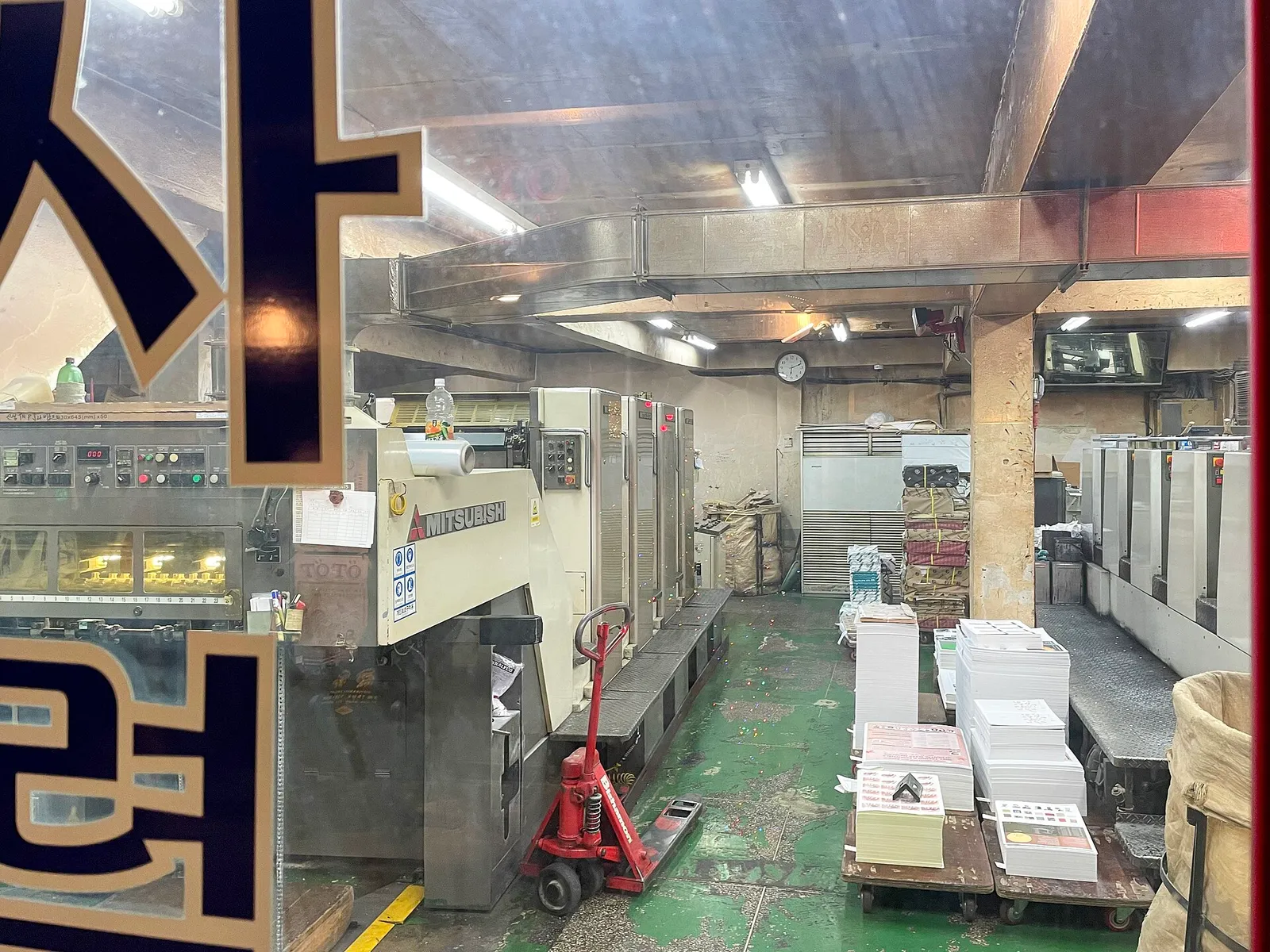
Following the order the city used for its 2025 Seoul Future Heritage public walk gives you this.
- Start at Line 2 Line 3 Euljiro 3-ga Station
- The lighting street and the tool market - alleys where the stock is out on the pavement
- Sewoon Sangga - Korea’s first mixed-use residential and commercial building, from 1968
- The printing alley - towards Chungmuro. Presses and stacks of paper
- Dinner in the golbaengi alley (exit 12) or the nogari alley
Half a day is enough. Everything is within walking distance and most of it is free.
Aim for the evening. By day it is a factory district, so there is plenty to look at but nowhere much to sit; come evening, tables go out into the alleys.
What it costs
The sights are effectively free. Neither Sewoon Sangga nor the alleys charge admission.
The money goes on food. On the Ministry of the Interior and Safety’s official “good price” list, the floor for lunch within walking distance of Euljiro runs from 5,000 to 10,000 won (roughly $3.75 to $7.50), and a cafe selling an americano at 1,800 won is on that list too. The details are in the food post.
That is a floor, though. Pyongyang naengmyeon at an old restaurant does not cost that.
Why to go now
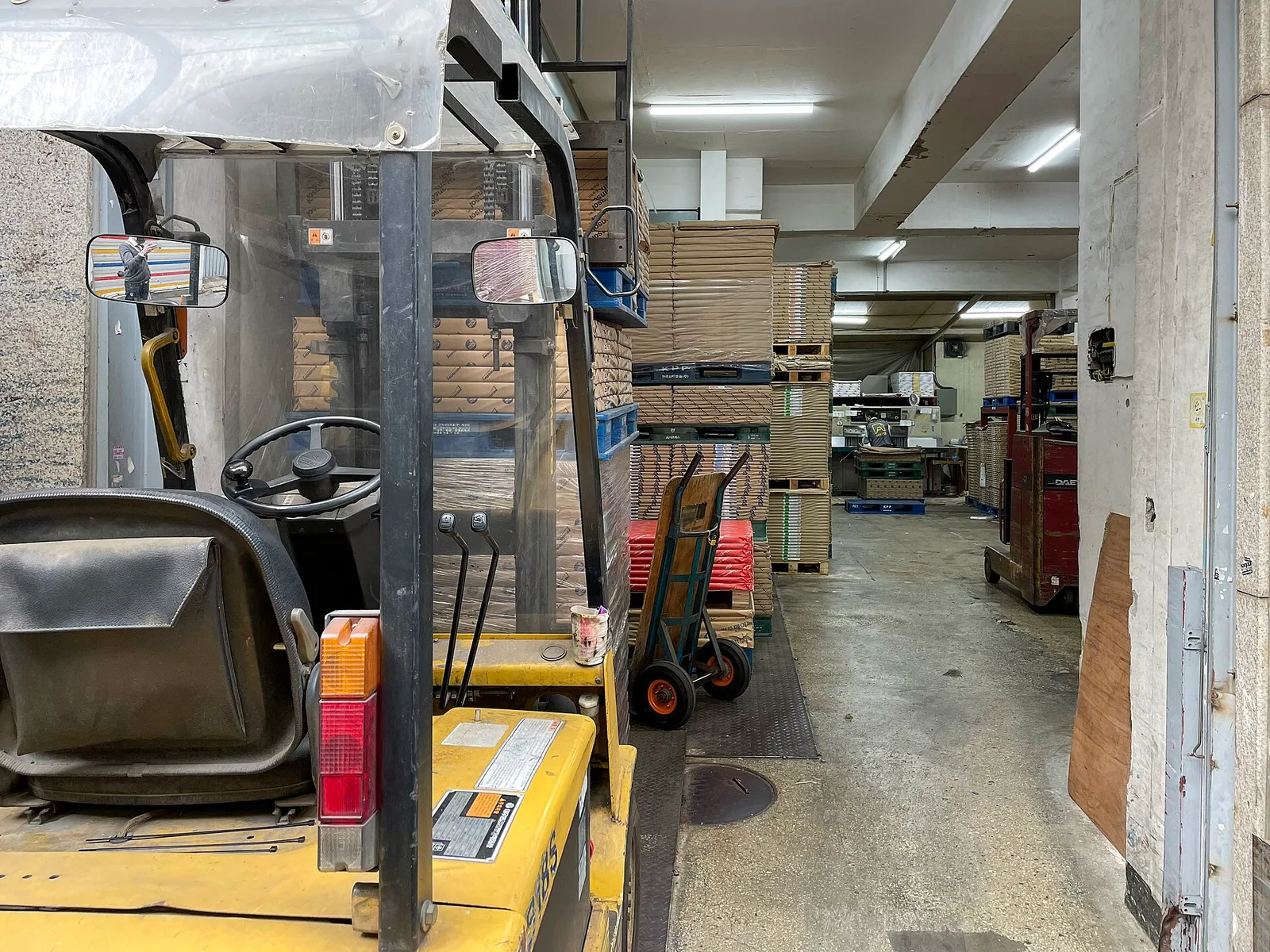
This is the most important part of the post.
Euljiro is a large-scale redevelopment zone. Only what can be confirmed in official Seoul city documents is set down here.
- On 26 December 2024 the Dasi Sewoon urban regeneration project was formally resolved to be concluded by the city’s urban regeneration committee
- On 26 March 2026 a Seoul city fact briefing stated that the current policy is to “demolish the old and dangerous concrete arcade blocks” and create a green axis in their place
- On the elevated pedestrian deck at Sewoon Sangga, a 250m section of roughly 1km has been approved for removal, and the rest follows in stages
And then there is this sentence, which settles the matter. It is the original text on the Seoul Future Heritage page for the Ipjeong-dong ironworks alley.
at present demolition is under way across the area for redevelopment
This is heritage the city itself designated, and the city’s own page says it is being demolished.
What you read online may already be wrong
So do not come with a particular shop or a particular alley as your target. The place you saw in a blog post or a video may already be gone.
Come with the streets as your target, and go into whatever is open that day.
One more thing. Seoul Future Heritage designation does not protect a business. The city says so itself.
The Seoul Future Heritage conservation programme does not establish a regulatory mechanism for the uniform preservation of heritage.
What the designation actually amounts to is a certificate and a plaque.
Things to watch while you walk
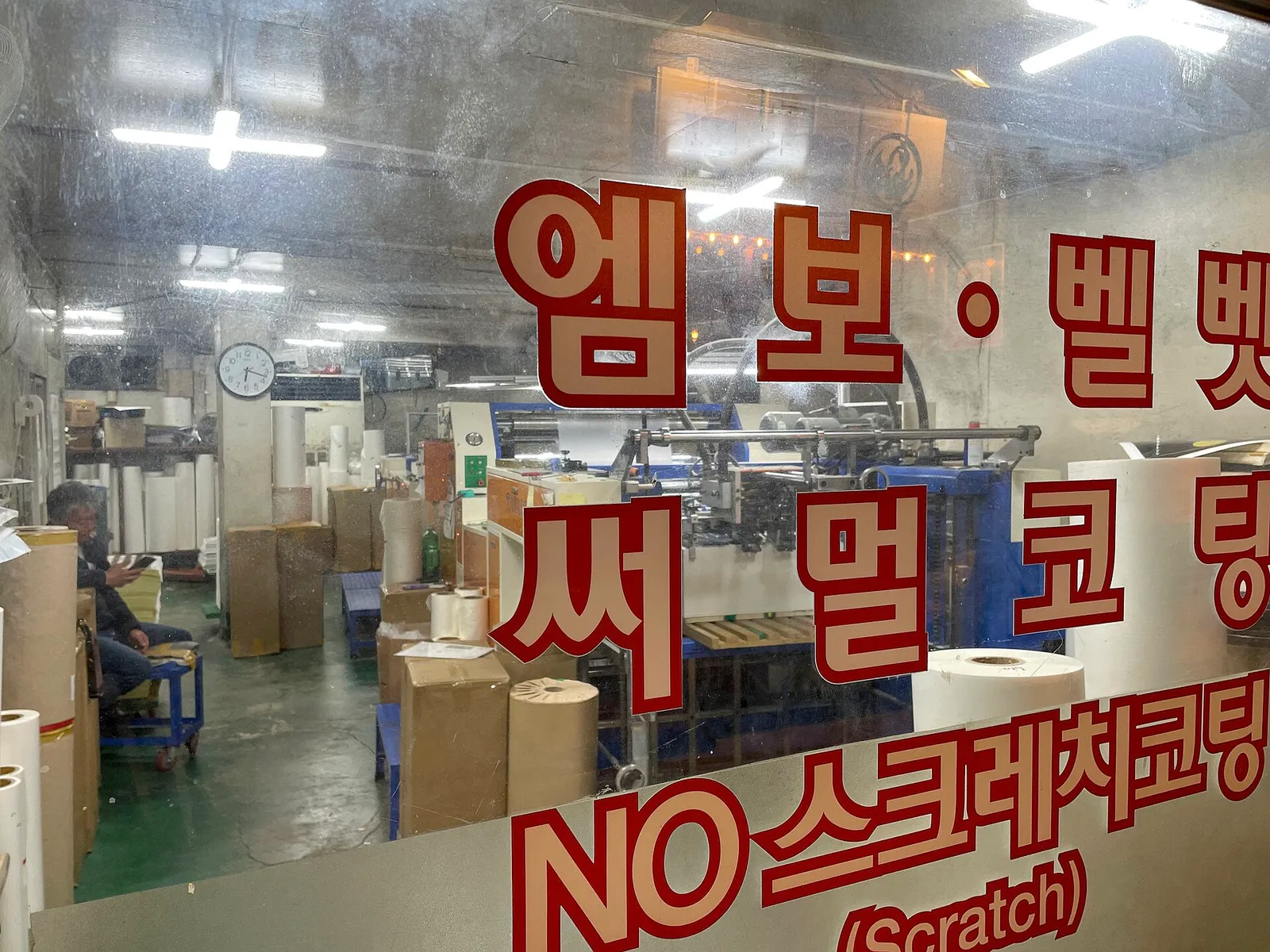
This is a workplace, not a tourist attraction.
- Forklifts and handcarts come through constantly. Standing in the middle of an alley to take a photo is dangerous
- Ask before photographing someone at work head-on
- You will rarely have any reason to go inside a shop. The trade here is wholesale and made-to-order
Where to sleep
Jung-gu holds 25% of all the hotel rooms in Seoul. At 28,340 rooms, it is first among the districts.
But the middle of Euljiro 3-ga actually has very few rooms. There are just 12 businesses with 150 rooms between them, so “staying in Euljiro” means in practice staying towards Myeongdong or towards Dongdaemun. The details are in the accommodation post.
Who it suits
It suits you if:
- You are interested in how an old city actually earns its living
- You like walking, and you like a neighbourhood where everything is within walking distance
- You want to try drinking beer at a table on the street in the evening
- You will be going back and forth to the airport. The limousine passes through the neighbourhood
It does not suit you if:
- You came to see palaces or hanok, in which case you want Jongno
- You are expecting a clean, tidied-up tourist district, in which case you may be disappointed
- You want a place with good tourist information. Euljiro is weak on that
Wrapping up
- The airport bus is Bus 6015, with three stops in Euljiro. The last one to the airport is at 19:50.
- The stop called “Euljiro 2-ga” is actually at exit 12 of Euljiro 3-ga Station.
- First time, get off at Euljiro 3-ga Station. The sights and the food are concentrated there.
- Most of what there is to see is free, and the money goes on food.
- Evening is better. Factories by day, outdoor street tables by night.
- Redevelopment is under way, and the city describes some of the alleys as being demolished.
- Aim at streets, not shops.
In one line: Euljiro is a neighbourhood with a lot that you can only see if you go now. But please also remember that what is disappearing is not a tourist attraction. It is people’s places of work.
More in this series: things to do in Euljiro, Euljiro food and where to stay in Euljiro.