 Now, Yeogi
How to Use the Seoul Subway and T-money Card: A Tourist's Guide (2026)
Seoul subway fares, how to buy and charge a T-money card, transfer discounts, which apps to use and basic etiquette. Everything a first-time visitor needs to ride the metro in Seoul.
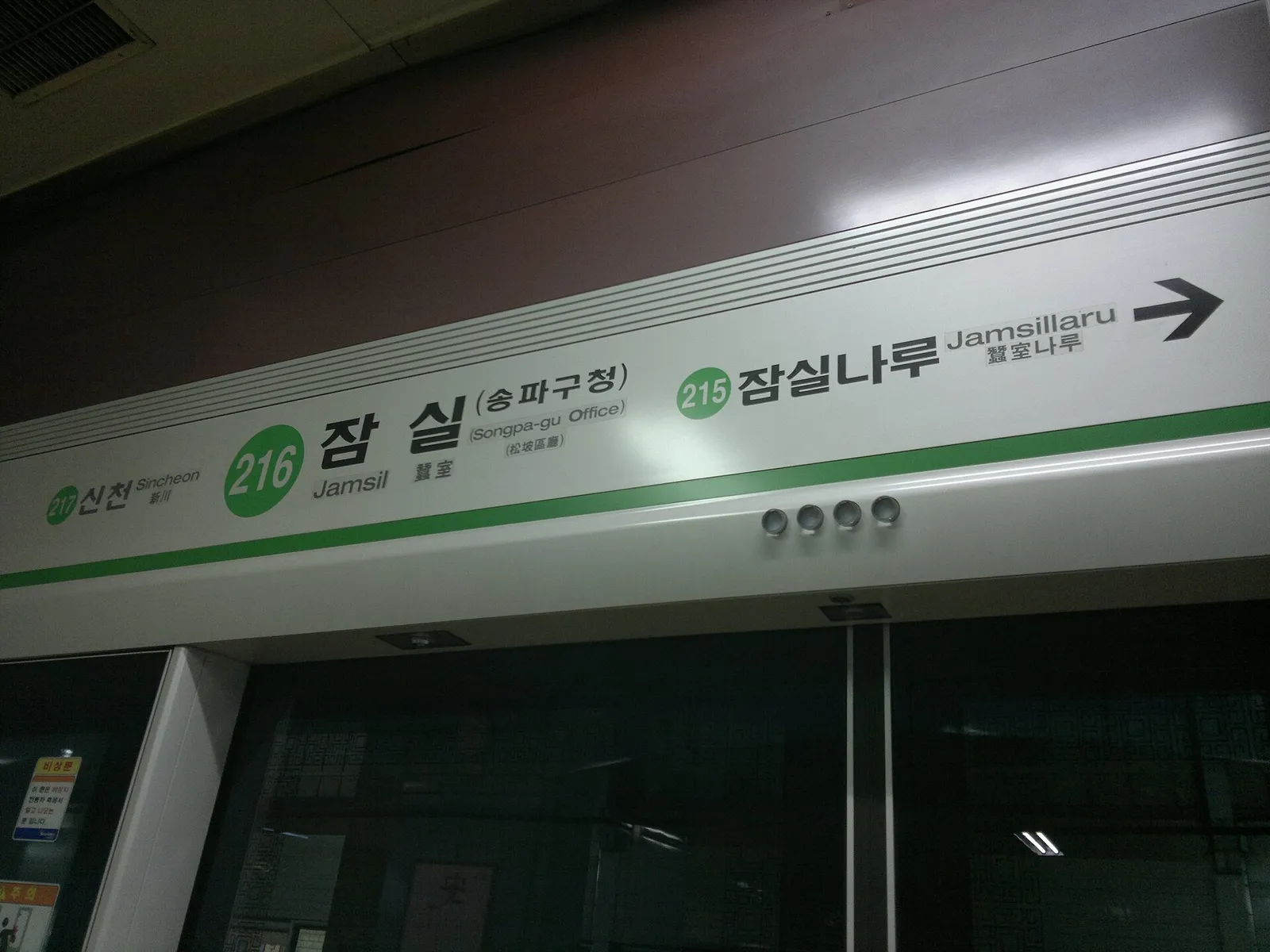
The Seoul subway is clean, cheap, punctual, and signposted in English at every station. Once you have a transit card you can stop thinking about tickets for the rest of your trip. This guide covers fares, cards, transfers and the handful of local rules that are not obvious.
Fares and prices are as of September 2026.
Fares
- Base fare with a transit card: ₩1,550 for the first 10 km, then a small increment for longer distances. Most trips inside Seoul cost ₩1,550–1,850.
- Single-ride paper ticket: ₩1,500 plus a ₩500 refundable deposit. You get the ₩500 back at a machine near the exit gates.
A single ticket therefore costs more up front, gets no transfer discount, and requires two extra machine visits. Buy a card.
Which card should you get?
T-money card — the default
The T-money card is a rechargeable plastic card that works on subways, buses and taxis across Korea, and in convenience stores.
- Card price: ₩3,000–5,000, non-refundable. Character designs cost slightly more and make decent souvenirs.
- Where to buy: convenience stores (GS25, CU, 7-Eleven, Emart24) inside almost every station and on most blocks, ticket machines in stations, and tourist information counters including at Incheon Airport.
- How to charge: at the machine inside the station gates, or at any convenience store counter. Say “충전해 주세요” (chungjeon hae juseyo).
Since March 2026, Seoul Metro has installed 440 new kiosks across 273 stations on Lines 1–8 that accept Visa, Mastercard, JCB, UnionPay and American Express. They sell and charge T-money cards and issue Climate Card tourist passes, so you no longer need Korean cash to get started. The machines are labelled in English and are at major hubs including Seoul Station, Myeongdong, Hongik Univ., Gangnam, Jamsil and Itaewon.
Climate Card — if you ride a lot
The Climate Card short-term pass is flat-rate unlimited travel on Seoul subways and city buses: ₩5,000 for one day up to ₩20,000 for seven, plus ₩3,000 for the card.
The maths is simple. A pass beats pay-as-you-go once you take about four rides a day. Sightseeing days usually clear that; a day spent in one neighborhood does not.
Two limits worth knowing: the Climate Card cannot be used to board the airport railway at Incheon Airport, and it does not cover subway sections outside Seoul. Details and where to buy are in our Incheon Airport to Seoul guide.
Your own credit card
Contactless payment with foreign cards is being rolled out but is not yet reliable across the network. Do not plan around it.
How to ride
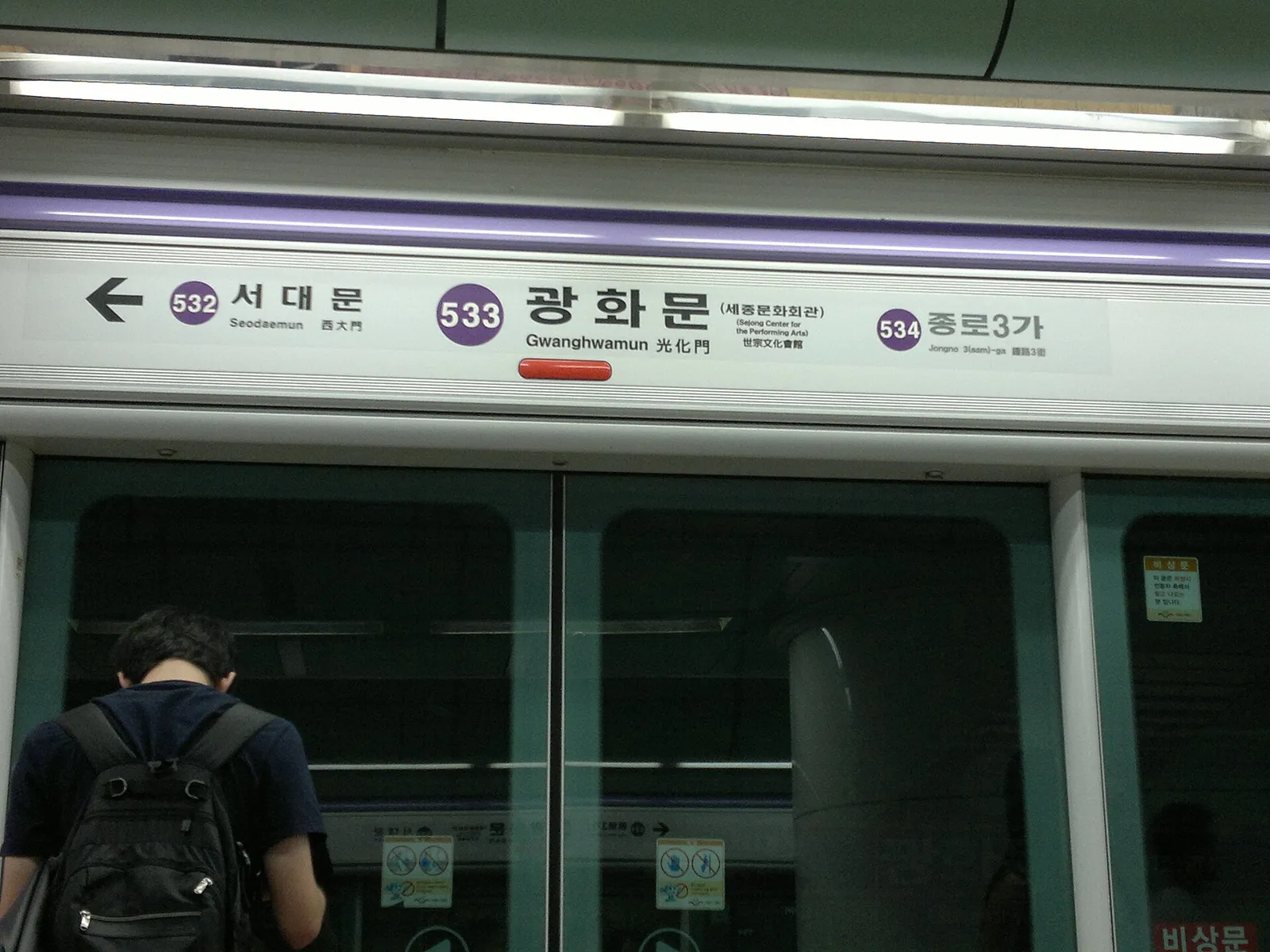
- Tap in on the reader at the gate.
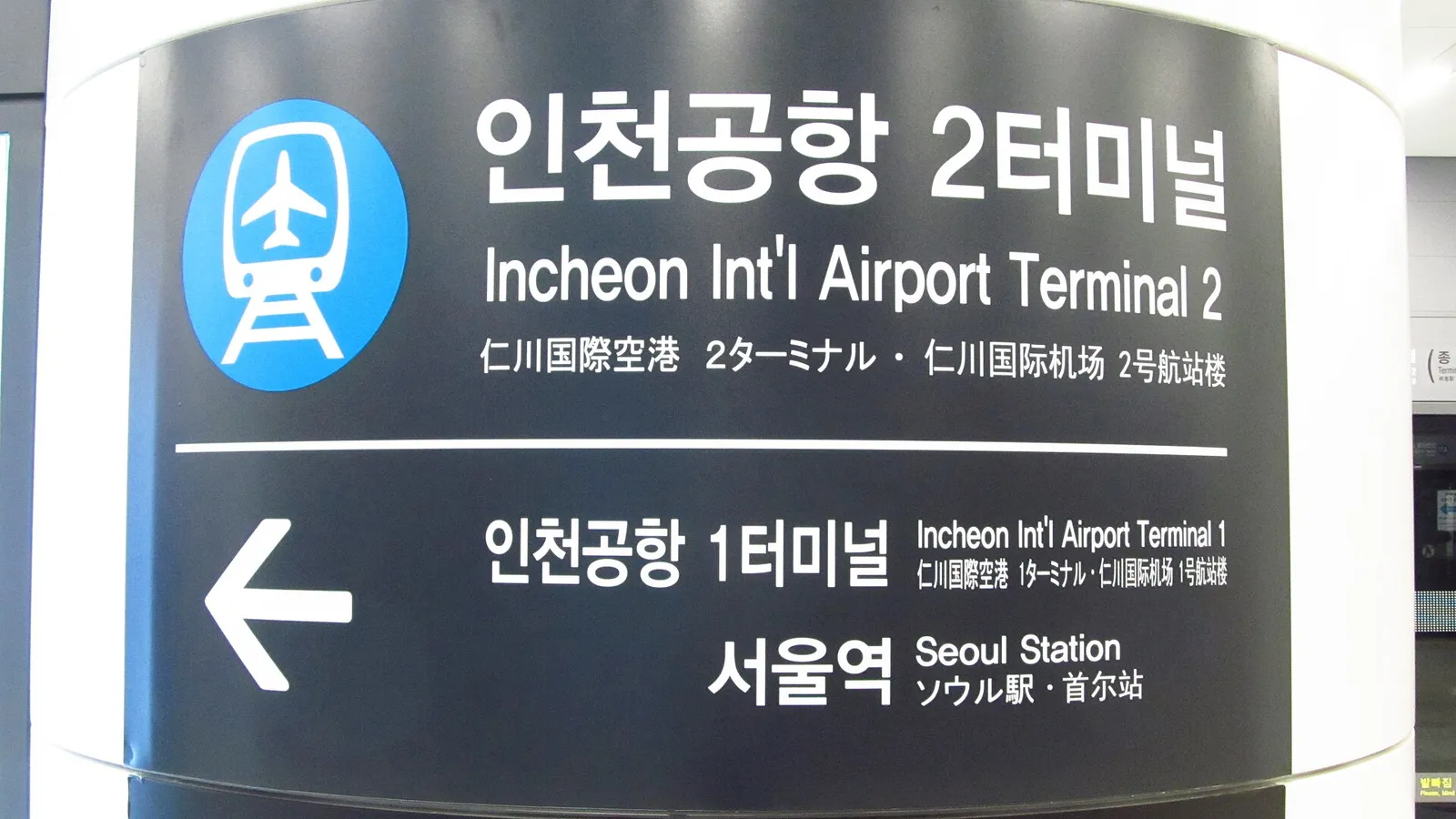
- Find your platform. Signs give the line number, its colour, and the name of the station the train is heading toward. Platforms are numbered, and every sign is in Korean and English.
- Check the direction using the strip map above the platform. If your destination is not listed on that side, cross to the other platform.
- Tap out at your destination.
Tapping out is not optional. The fare is distance-based, so failing to tap out charges you a penalty and breaks your transfer discount.
Transfers: the rule that saves you money
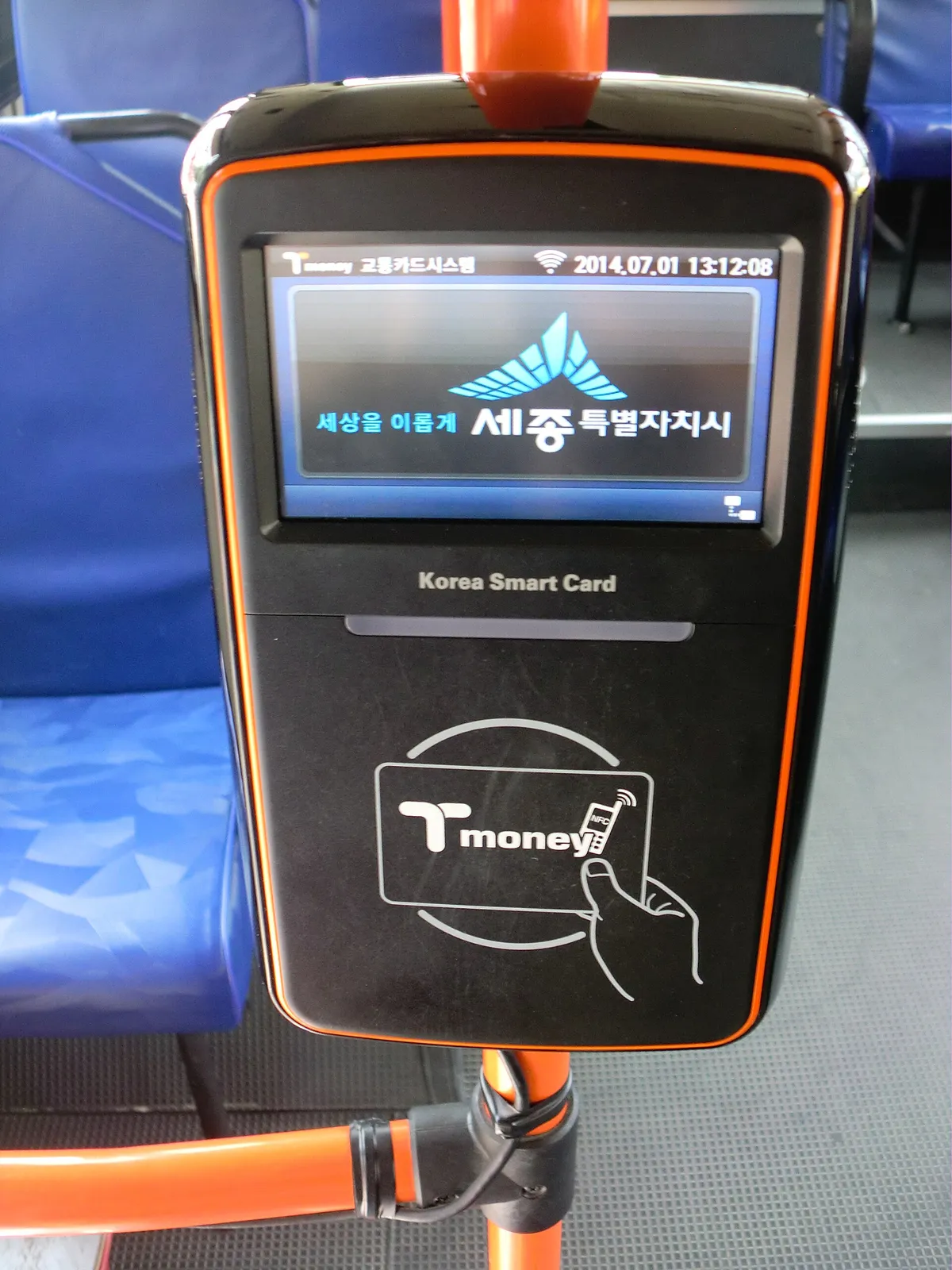
Seoul treats subway and bus as one integrated system, and transfers within a journey are free or nearly free.
- Transfer within 30 minutes of tapping out. Between 21:00 and 07:00 it is 60 minutes.
- Up to four transfers, so five vehicles in one journey.
- You must tap in and out every time, including on buses.
- Cash and single-ride tickets get no transfer discount at all.
- Re-entering the same station, or boarding the same bus number again, does not count as a transfer.
In practice: subway to bus to subway on one card costs barely more than the subway alone. Paying cash for the bus costs you the full fare twice.
Apps
- Naver Map or KakaoMap — the two that actually work in Korea. Google Maps has poor walking and transit directions here because of Korean mapping restrictions. Both have English interfaces.
- Subway Korea or Kakao Metro — dedicated subway apps with live timetables, exit numbers and which car to board for the fastest transfer.
- Papago — translation, better than Google Translate for Korean.
- Kakao T — taxis. Works with a foreign card once registered.
The “which car to board” feature is genuinely useful. It tells you exactly where to stand so you exit next to your stairs.
Etiquette
- Priority seats at the ends of each carriage are for elderly, pregnant and disabled passengers. Koreans leave them empty even when the train is full. Do the same.
- No eating or drinking on trains. Coffee with a lid is tolerated; a meal is not.
- Stand on the right on escalators.
- Let passengers off first, standing to the sides of the doors.
- Phone calls are frowned upon; texting is fine, and most people wear headphones.
- Backpacks should come off your back and be held in front or at your feet when crowded.
Practical notes
- Trains run roughly 05:30 to midnight. The last train is earlier than you think on some lines; check the app rather than assuming.
- Rush hour is 07:30–09:00 and 18:00–19:30, and it is genuinely packed on Line 2 and Line 9.
- Lockers are in most large stations, paid by card, useful between hotels.
- Toilets are free and inside the gates in almost every station.
- Wi-fi is free on trains and platforms; it is slow but works for maps.
- Refunds: leftover T-money balance can be refunded at convenience stores, minus a small fee, up to a limit.
Wrapping up
Buy a T-money card at the first convenience store you see, load ₩20,000–30,000 onto it, and tap in and out every time. If you plan four or more rides a day, buy a Climate Card pass instead. Either way, download Naver Map or KakaoMap before you fly, because it will do more work than any guidebook.
Related: Incheon Airport to Seoul and where to stay in Seoul.