Travel and food in Seoul

Places, cafés and restaurants we visited in Seoul.

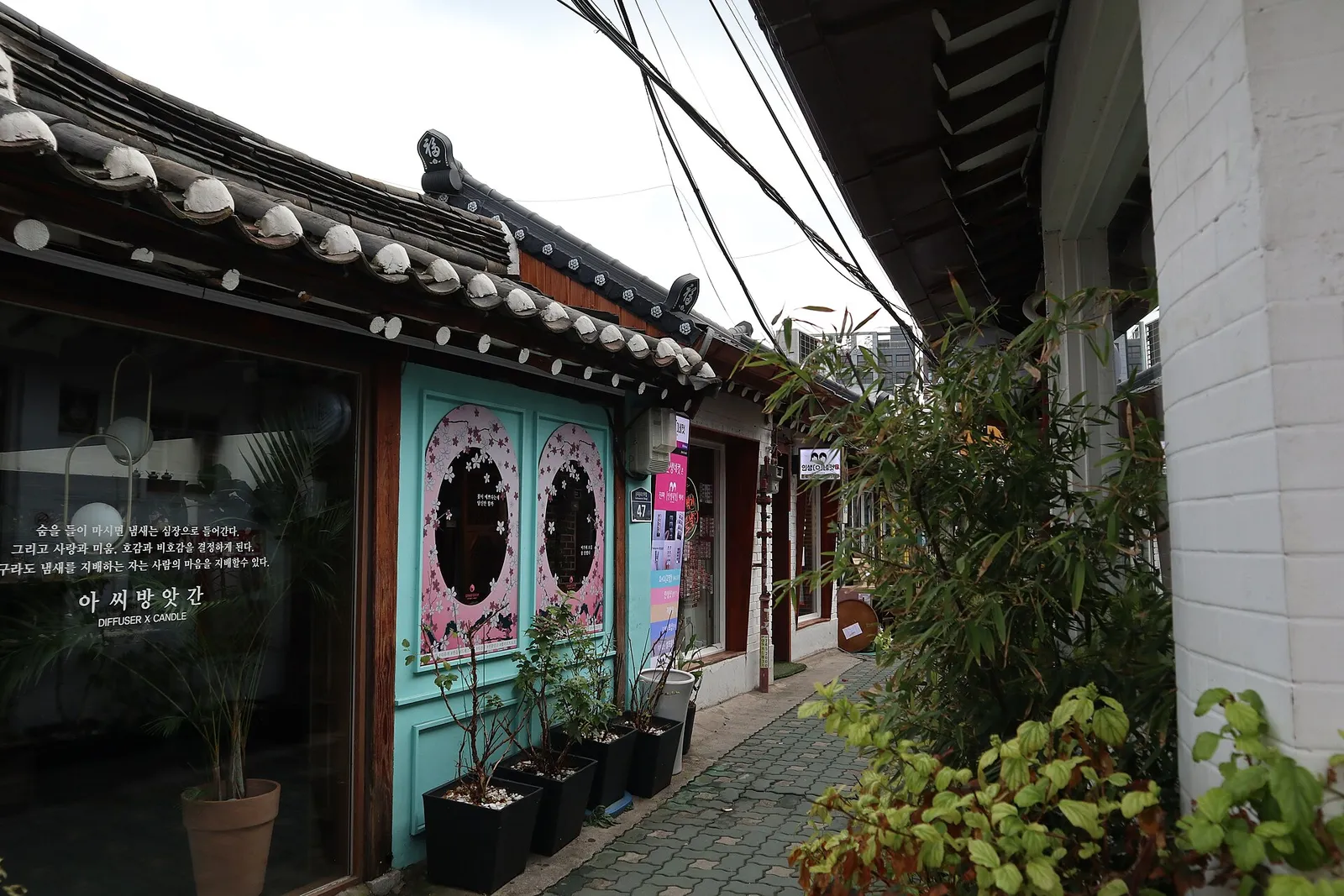
Shops with mint-green wooden doors and glass fronts running along a narrow alley beneath tiled hanok eaves
SeoulFood

Ikseon-dong Food and Cafes: The Price Gap One Street Over (2026)

What to eat in Ikseon-dong, set out from official sources: the published prices at the hanok cafes, a 3,000-won hangover soup one street away, the fact that not a single officially certified restaurant sits inside Ikseon-dong itself, and the four promises Jongno-gu asks visitors to keep.
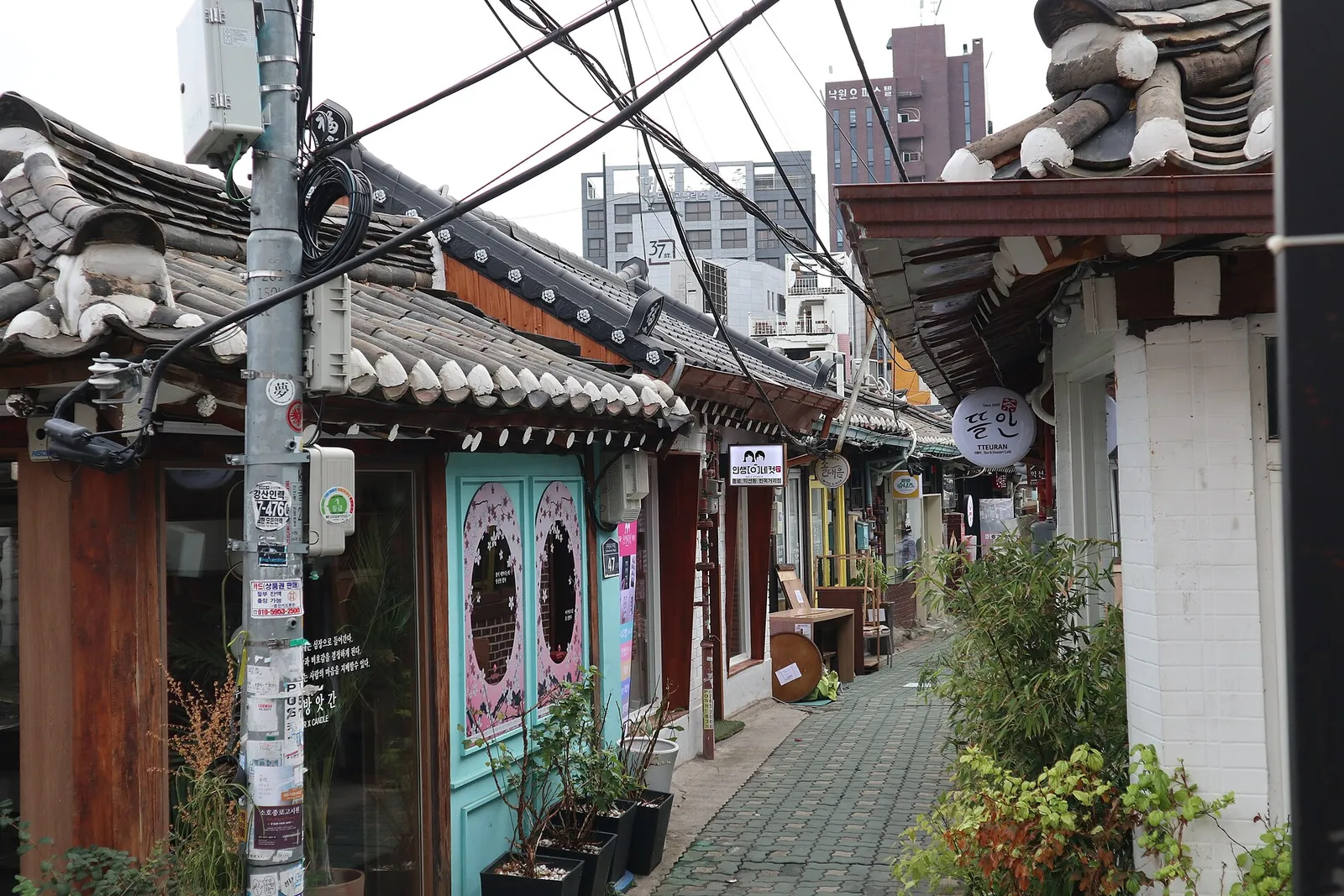
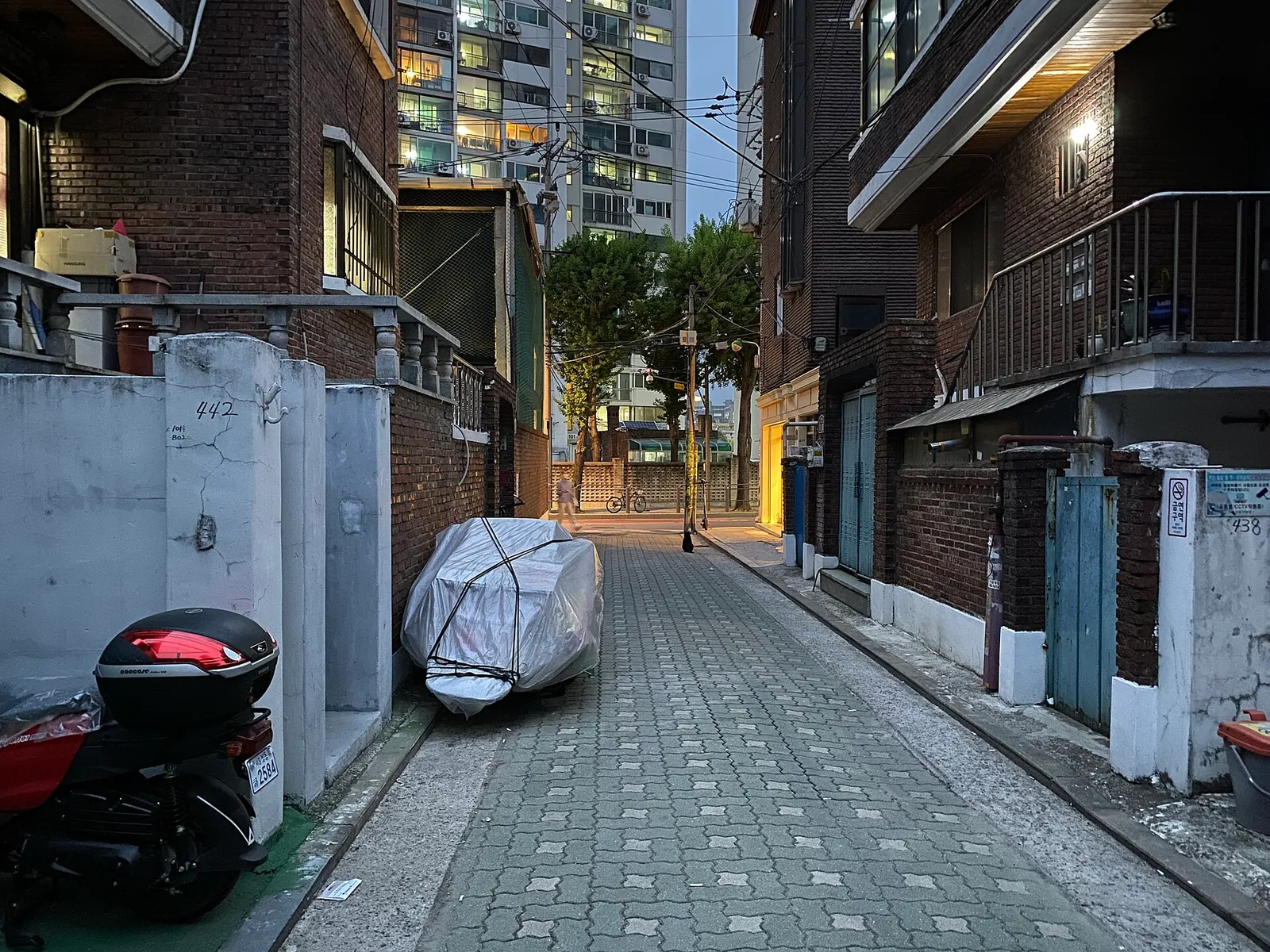
A narrow Ikseon-dong alley, power lines tangled above the tiled hanok roofs on either side and an officetel block rising behind
SeoulTravel

Ikseon-dong: The Hanok Alleys Redevelopment Did Not Get (2026)

A first-visit overview of Ikseon-dong, set out from official records: the urban hanok built for Korean residents in the 1930s, how the redevelopment zone was lifted in 2018 with three preservation measures attached the same day, why the alleys are narrow because the law says so, and the fact that people still live here.

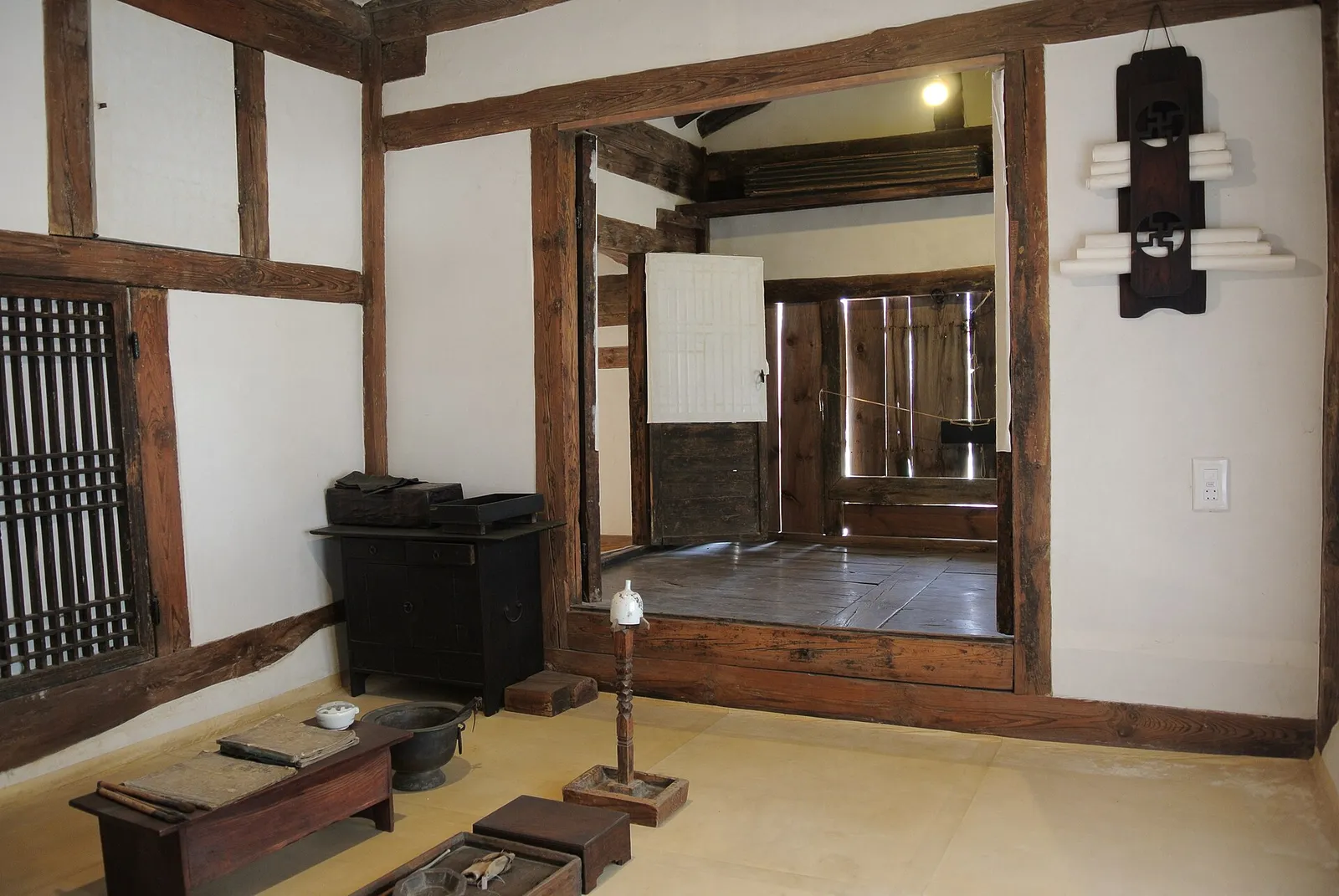
Inside a hanok room, the wooden floor visible between paper-screen doors and timber posts
SeoulTravel

Where to Stay in Ikseon-dong: What Sleeping in a Hanok Actually Means (2026)

Accommodation around Ikseon-dong, set out from official sources: 100 of Seoul's 133 hanok stays are in Jongno-gu, what the hanok-stay registration standard really requires and what it does not, the fact that a third of the rooms within walking distance are in old-style inns, and the airport bus 6002 that stops at Jongno 3-ga.

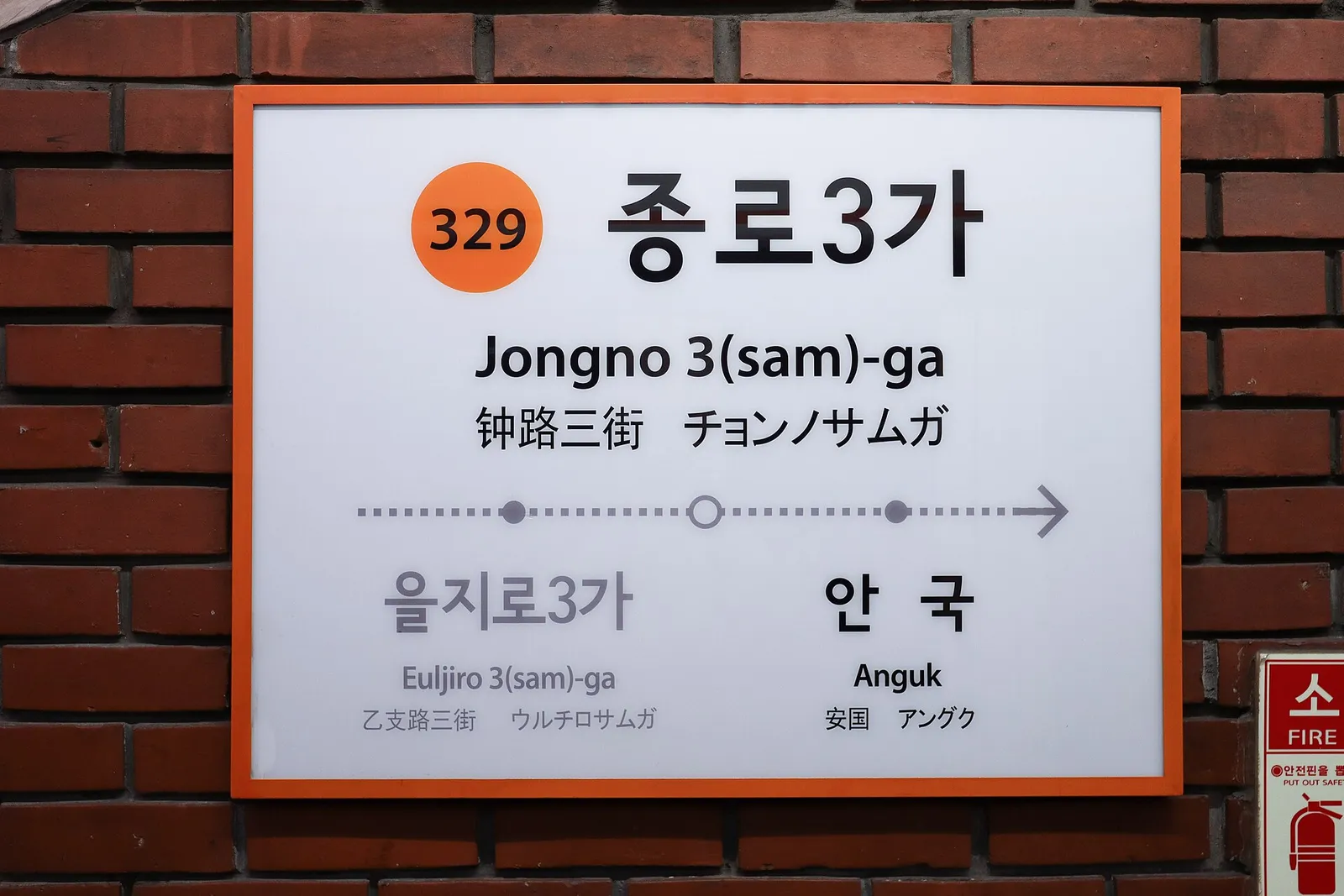
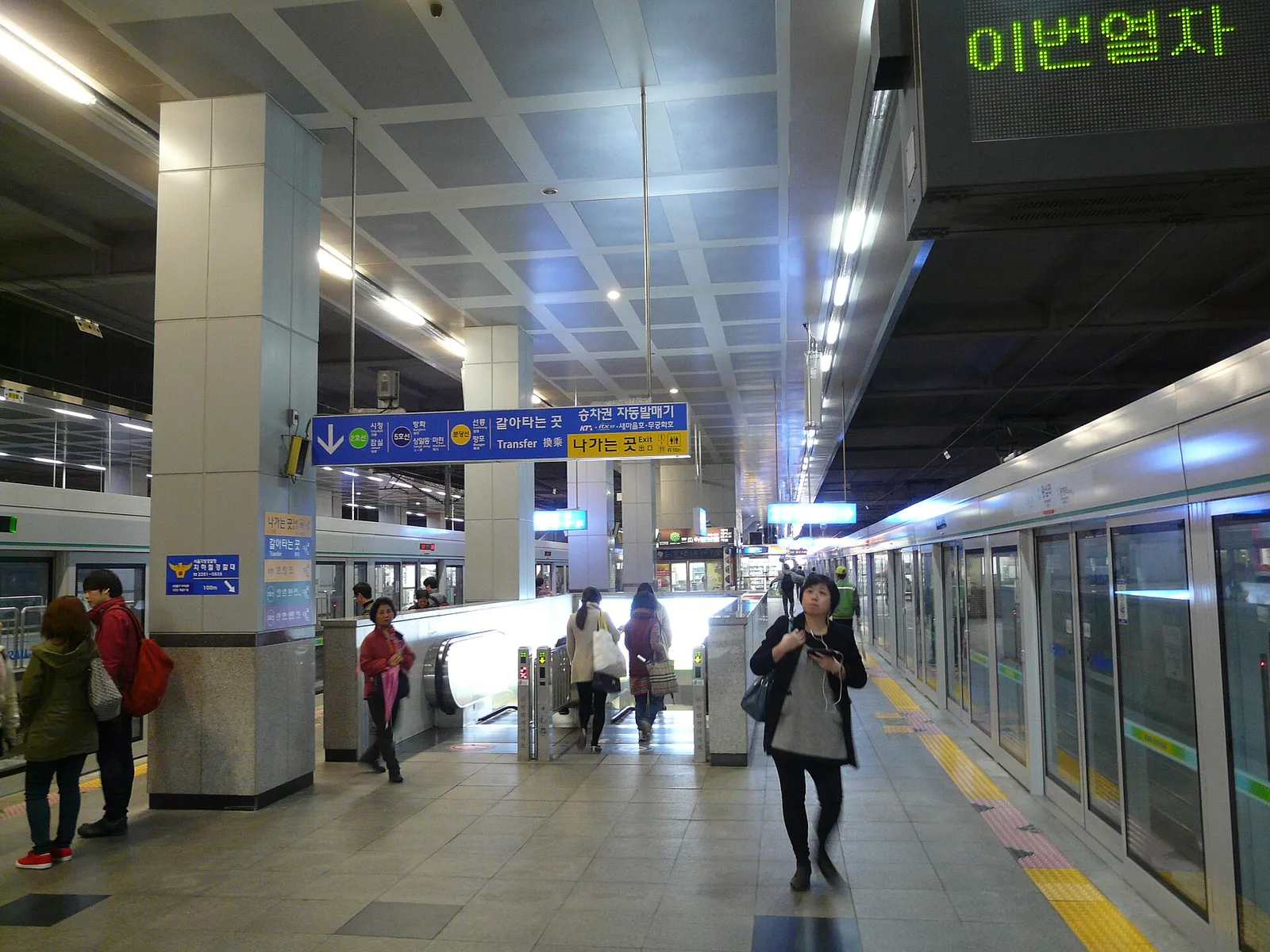
A platform at Jongno 3-ga Station, a train pulling in behind the platform screen doors
SeoulTravel

Things to Do in Ikseon-dong: 62 of the 75 Hanok Are Shops (2026)

What there is to see in Ikseon-dong, set out from official sources: fire-service figures showing 62 of the 75 hanok are shops with only 13 dwellings left, the gentrification the city admits in its own magazine, the pork-skirt alley that began with jewellery craftsmen, and Nakwon Arcade and Donhwamun Gate within walking distance.

The plaza in front of Wangsimni Station and the glass-clad station building
SeoulTravel

Where to Stay in Seongsu-dong: Sleeping in a Neighbourhood With No Hotels (2026)

Seongsu-dong has no registered tourist hotel at all, and 186 of its 299 rooms are old-style inns. That leaves the foreign-tourist homestay scheme, which is also where unlicensed lodging turns up. Which kinds of home the law allows, what to check before you book, and the airport bus that stops in Seongsu.

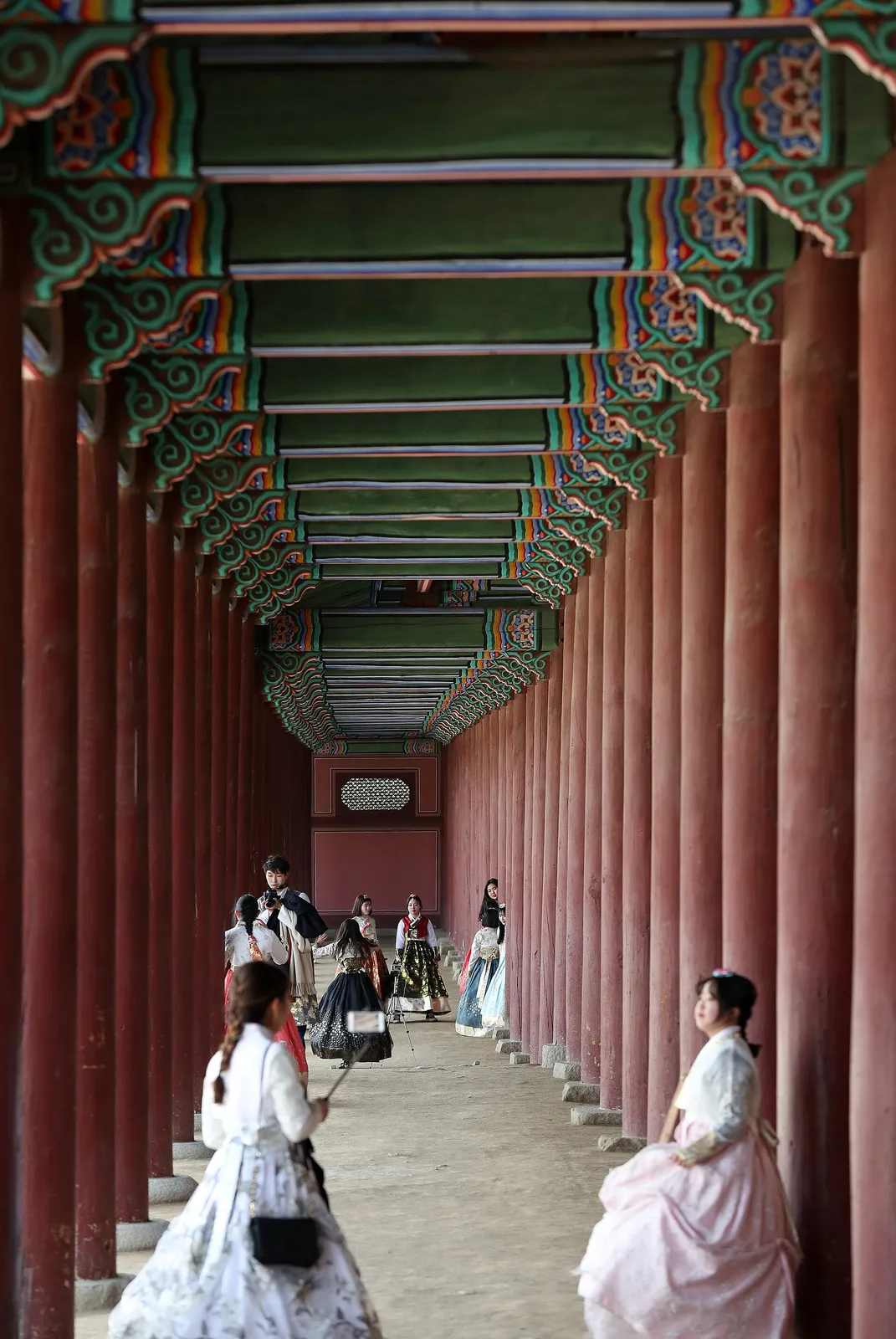
Visitors in hanbok standing between the red pillars of a Gyeongbokgung colonnade, with someone shooting from a tripod further in
SeoulTravel

Free Palace Entry in Hanbok: What Counts and What Gets Turned Away (2026)

Wearing hanbok gets you into Seoul's palaces free, but only certain garments qualify. Here are the two requirements, the styles that get refused at the gate, why Changdeokgung's Huwon is the single exclusion, and how hanbok lets you into Gyeongbokgung's night viewing without a booking.

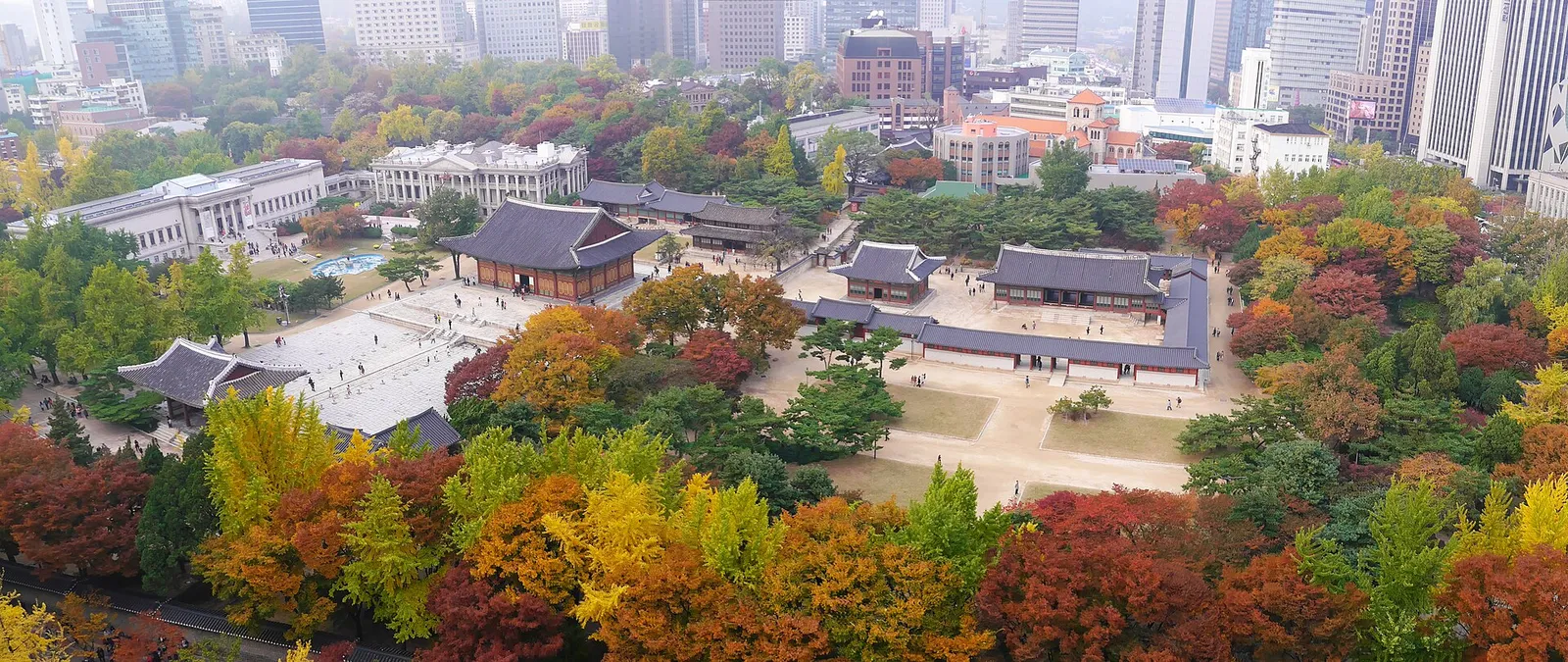
Deoksugung Palace seen from above, its tiled roofs ringed by yellow ginkgo and red maple with city towers behind
SeoulTravel

Seoul Autumn Foliage: The Spots You Can Reach by Subway (2026)

How to see autumn colour without leaving Seoul, using only official sources. Changdeokgung's Huwon booking opens at 10am six days ahead, the city deliberately leaves fallen leaves unswept for three weeks, a 400-year-old Natural Monument ginkgo stands in the centre of town, and Bukhansan National Park is a subway ride away.

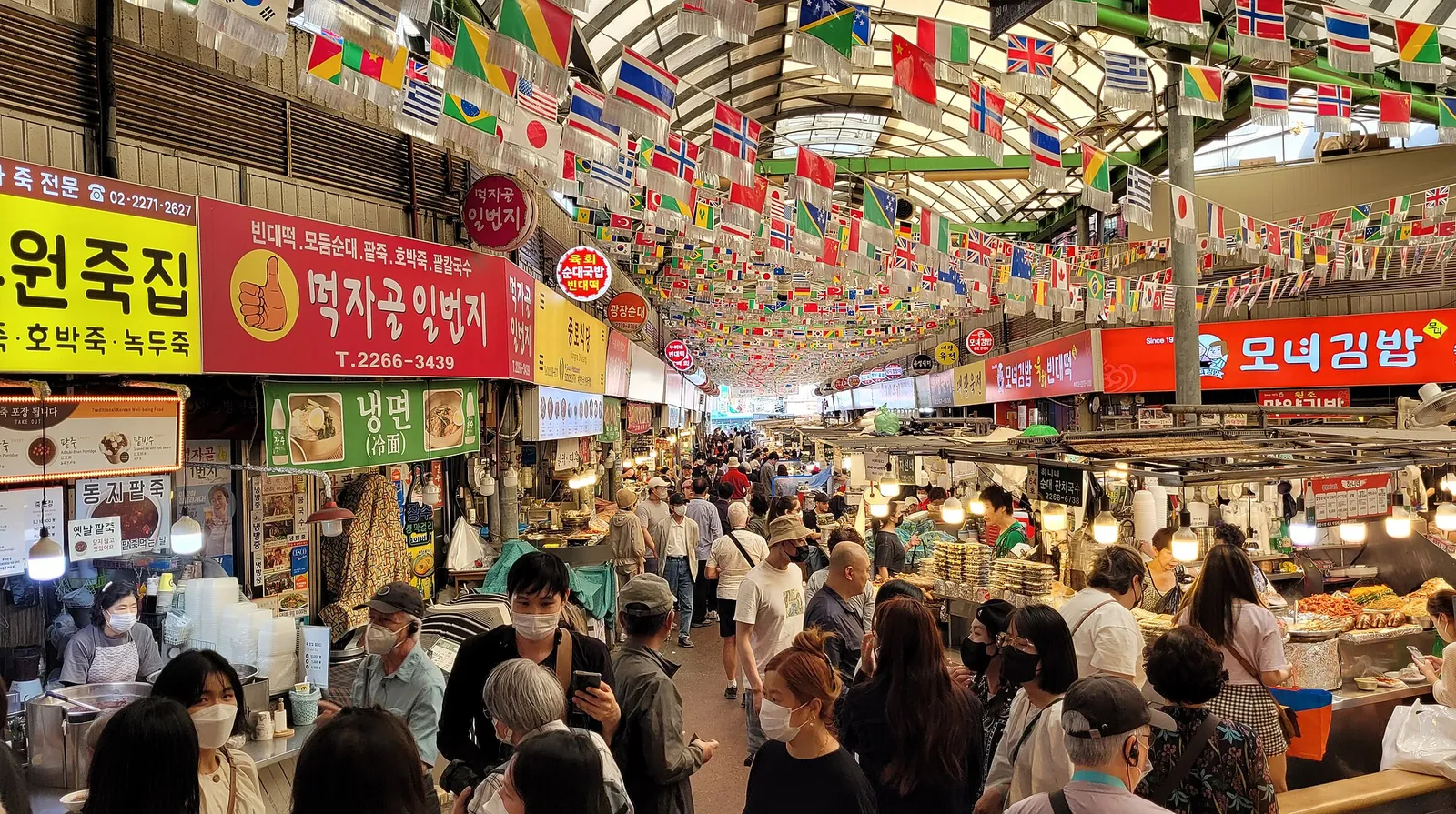
The food alley at Gwangjang Market hung with flag bunting, crowds pressing past signs for bindaetteok and sundae
SeoulFood

Gwangjang Market Food: What Changed After the Overcharging Controversy (2026)

A guide to eating at Gwangjang Market: why the food alley is the only part open on a Sunday and stays open until 11pm, what bindaetteok and yukhoe and the gimbap are, and what the Seoul Metropolitan Government and Jongno District actually did after the 2023 overcharging controversy, taken from their own press releases.

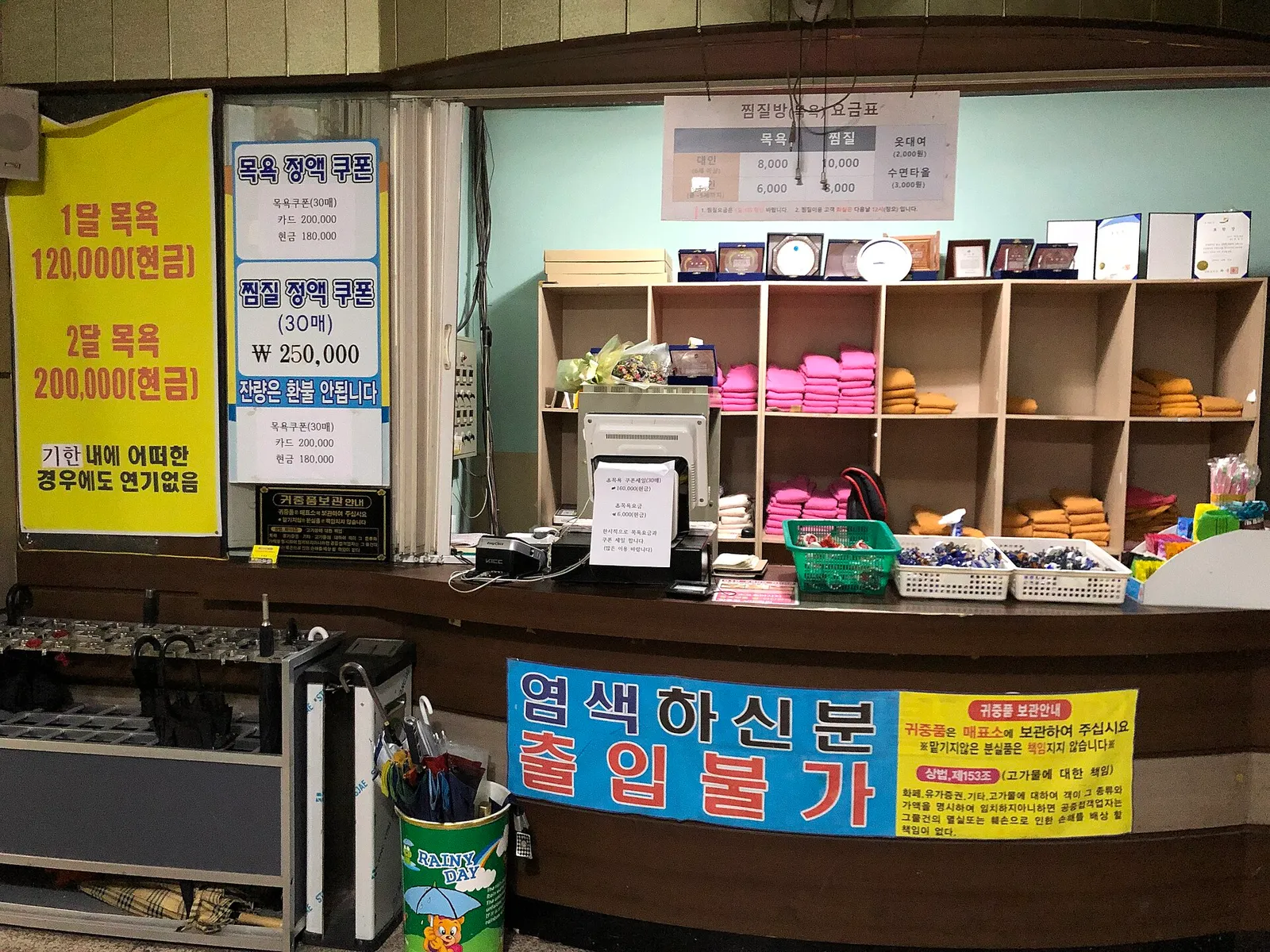
A jjimjilbang counter, pink and yellow towels stacked in every pigeonhole, with a price board and coupon notice posted above
SeoulTravel

Your First Jjimjilbang: What You Wear, Tattoos, and Sleeping Over (2026)

A first-timer's guide to the Korean bathhouse, checked against the law itself. Where you are naked and where you must be dressed is set by the Enforcement Rule, not by custom; there is no legal basis anywhere for a tattoo ban; and sleeping over is a stranger arrangement than most travellers expect.